Updated December 4, 2025 01:30PM
E-Bike Injuries Are Up 1,800%, But It's Not Actually E-Bikes: It's Electric Motorcycles
The vehicles causing a recent spike in injuries and worse aren't e-bikes. Here’s why, our solution, and how to differentiate an e-bike from an e-moto.
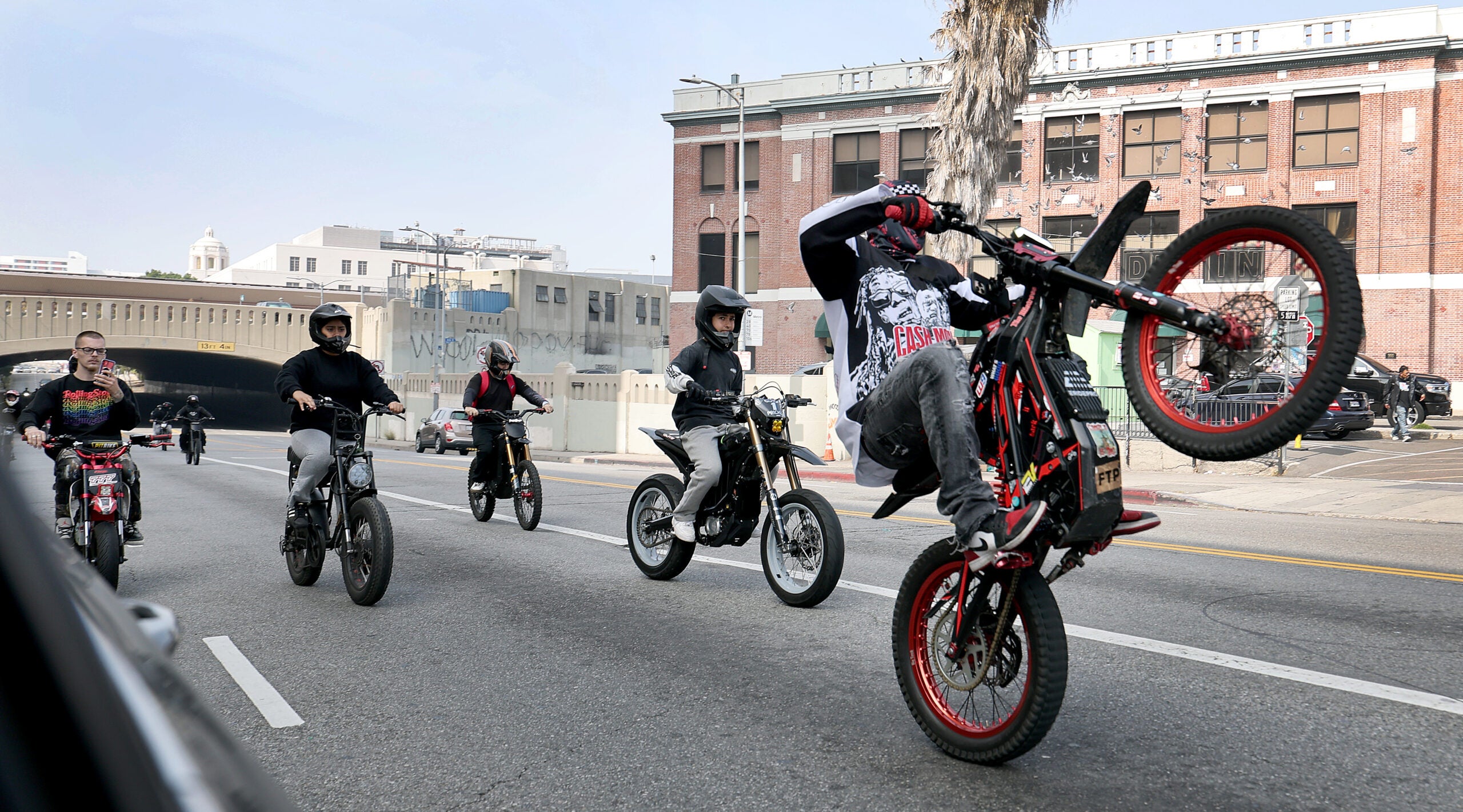
Los Angeles, CA - October 25: A large group of mostly illegal dirt bike and powerful E-bike riders take over the streets Downtown Los Angeles as they ride in and out of traffic, often doing tricks in Los Angeles Saturday, Oct. 25, 2025. (Photo: Allen J. Schaben / Los Angeles Times via Getty Images)
When a teenager crashes an “e-bike” at dangerous speeds, communities call for sweeping bans. When batteries ignite and cause a fire in apartment buildings, local governments restrict where electric bikes can be charged. And when pedestrians are struck by riders on sidewalks, cities work swiftly to cut riding speeds or discuss implementing licenses.
The problem? Many of these e-bike injuries and incidents can be avoided if only we defined what makes an electric bicycle.
Several of these incidents involve what cycling advocacy group PeopleForBikes calls an ‘e-moto’: electric motorcycles and mopeds sold as “street legal” e-bikes that don’t need a license or registration.
Many – but not all – of these e-motos sell new following standard e-bike Class 1,2, or 3 speed classifications. But with some modifications, they can reach speeds of 30, 40, or even 50 miles per hour, and are causing growing problems nationwide.
ADVERTISEMENT
An e-bike is defined by the Consumer Product Safety Commission (CPSC) to have a max 750 W power, or roughly 1 hp. Many of these e-moto vehicles have motors producing as much as 10 times more power than what is regulated. Worse still, these e-bikes are purchased by parents who have no idea exactly how powerful these things are.
The confusion appears intentional and is proving profitable and deadly. And without comprehensive federal regulation, it’s only getting worse.
E-bike related injuries (and worse) are on the rise
The statistics behind e-bike-related injuries and worse are genuinely alarming.
In New York City, bicycle deaths reached a 24-year high in 2023 with 30 fatalities, 23 of whom were riding e-bikes. Head trauma from e-bike accidents increased 49-fold nationally between 2017 and 2022. In California, e-bike incidents rose by 1,800 percent from 2018 to 2023. A 2024 study in Marin County revealed that nearly one in eight e-bike trauma patients brought to the emergency room by ambulance died from their injuries. The death rate for e-bike accidents was 37 times higher than for crashes involving traditional pedal bicycles.
These numbers prompted the American College of Surgeons, the American Association of Neurological Surgeons, and the American Academy of Orthopedic Surgeons to issue safety statements on e-bike helmet use and injury prevention in 2024, an unprecedented coordinated response from the medical community.
ADVERTISEMENT
Battery fires add another dimension to the crisis. In 2023, lithium-ion batteries in e-bikes caused 267 fires in New York City alone, injuring 150 people and killing 18. San Francisco set a record with 58 fires related to rechargeable batteries in 2022.
But here’s what the headlines consistently miss: the most dangerous incidents involve vehicles that aren’t legally e-bikes at all.
Not all e-bikes are created equal
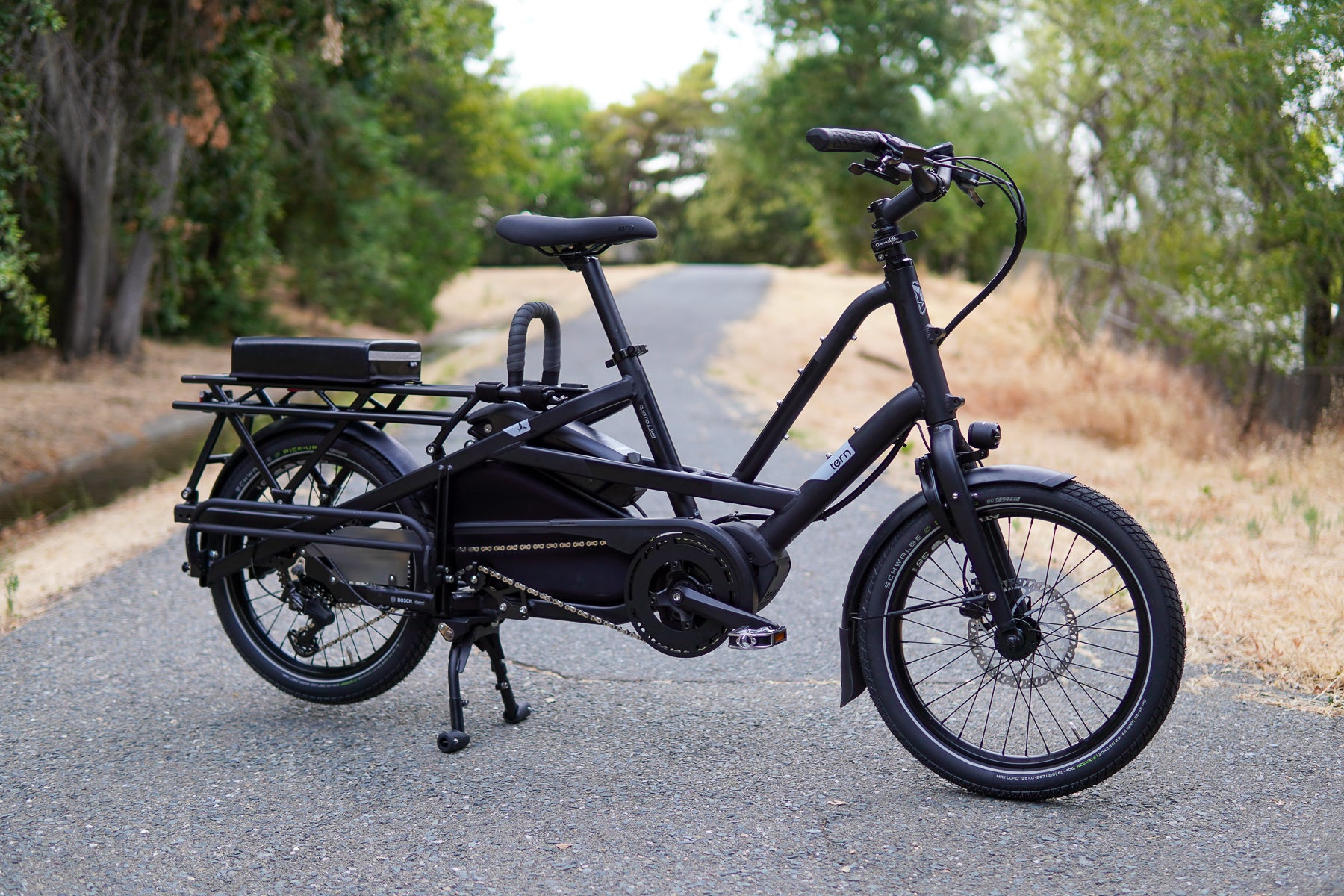
Let us be clear: e-bikes are good. Half of all vehicle trips from home are less than three miles away, a distance easily covered by an e-bike. Further, a 2020 study stated that if 15 percent of car trips were replaced by e-bikes, carbon emissions could drop by 12 percent. They’re far more effective than electric cars at cutting worldwide oil demand, already cutting demand by a million barrels per day. And because an e-bike is dramatically less expensive than a car to both buy and own, we must encourage the use of e-bikes whenever possible as a realistic transportation alternative.
They’re also a boon to folks who don’t have a driver’s license, often teenagers. A bicycle provides teens a sense of mobility and freedom from the pick up and drop off line, freedom from their parents, and an ability to develop their sense of self. Again, e-bikes are undeniably useful and a worthwhile option for folks looking to skip a car trip.
ADVERTISEMENT
However, we must define what an e-bike is, because a lot of these bikes aren’t what they’re cracked up to be.
PeopleForBikes has already done the advocacy work on this, uniting the industry into a standard for e-bikes that most states in the U.S. have adopted. It includes:
- Class 1: Pedal-assist only, motor cuts off at 20 mph
- Class 2: Throttle-equipped, maximum speed 20 mph
- Class 3: Pedal-assist only, motor cuts off at 28 mph
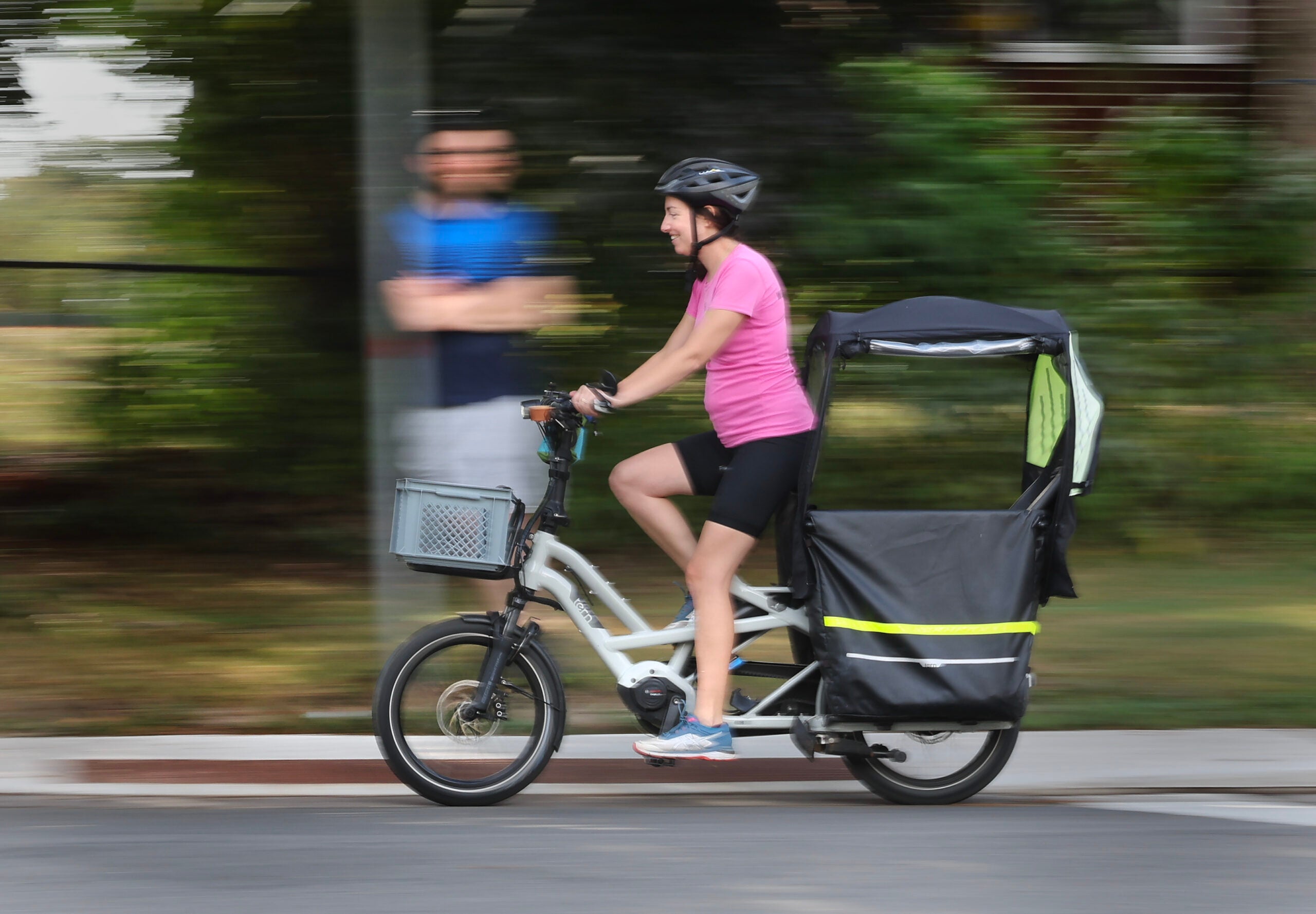
Under federal law, a low-speed electric bicycle has a clear, specific definition: it must have operable pedals, an electric motor of 750 watts or less, and a maximum speed when powered solely by the motor of 20 miles per hour. The CPSC says that a vehicle that doesn’t meet all three requirements is not an electric bicycle; it’s a motor vehicle.
These are the electric bicycles regulated like traditional bikes. They’re appropriate for bike lanes, paths, and, depending on local laws, can be operated by riders without a driver’s license. And because they’re often heavier and can go faster than most riders are accustomed to, regulating just how powerful they are is absolutely important.
ADVERTISEMENT
Then there are e-motos, which are multitudes faster, more powerful, and far heavier than nearly anything with the word ‘bike’ in it.
E-motos are electric mopeds, motorcycles, and dirt bikes with motors producing 1,000, 5,000, or even 10,000 watts. They can exceed 30 miles per hour, often with just a bit of fettering in a companion app. Worse still, some reach highway speeds of 65 mph or more. They’re motor vehicles under federal law, subject to National Highway Traffic Safety Administration (NHTSA) regulations, and should not be treated the same way as other e-bikes.
Worse still, e-moto manufacturers have found a loophole: put pedals on an electric motorcycle, add a “Class 2 mode” that artificially limits top speed to 20 mph, and market it as a “street-legal e-bike” to teenagers on social media. The fact that the limiter can be disabled with a magnet, a series of keystrokes, or a simple YouTube tutorial? That’s left to word of mouth, rarely put on paper by the company, and often gleefully shared by owners on Facebook and Discord groups.
ADVERTISEMENT
A recent story from the New York Times details the lengthy, difficult recovery of a teenager who required several surgeries after a crash on an e-moto. As Matt Moore, general and policy counsel for PeopleForBikes, notes: “If it’s too fast or too powerful in any mode, then it’s not an electric bicycle, period.”
The vehicles causing injuries, deaths, and community safety concerns are overwhelmingly e-motos being falsely marketed and sold as e-bikes. Parents buying what they think is a safe electric bicycle for their child are actually purchasing an unlicensed, uninsured motorcycle. The consequences have been tragic and entirely predictable.
Want to make e-bikes safer? Introduce federal regulation
The e-moto problem exists, at least partially, because of regulatory gaps at the federal level and inconsistent enforcement at the state level. Cutting down on e-bike related injuries requires comprehensive federal action, as pushed by PeopleForBikes.
Let’s start with the NHTSA and its enforcement gap. E-motos intended for road use are legally motor vehicles subject to federal motor vehicle safety standards. Manufacturers must register with the NHTSA and certify compliance. Few e-moto manufacturers have done so. The NHTSA needs explicit authority and funding to block non-compliant imports and prosecute manufacturers making false claims about their products.
ADVERTISEMENT
Any vehicle that includes built-in modes exceeding e-bike specifications should be classified as a motor vehicle, period.
There needs to be truthful advertising that discloses the potential of these e-motos. E-motos are routinely advertised as “street legal e-bikes” when they meet neither federal nor state definitions of an electric bicycle. Federal law should explicitly prohibit false advertising of motor vehicles as e-bikes, with meaningful penalties for violations. Sellers must be required to inform buyers of the actual legal classification of vehicles in their jurisdiction.
Until then, states need to standardize laws. As it stands, states have been forming a rough patchwork of laws, amounting to ill-informed pushes for requiring a license to ride an e-bike, only adding to the confusion. A few states – Utah, Colorado, and Minnesota – have passed laws defining what an e-bike is, who can ride them, and where. The Utah laws state not only what an e-bike is and isn’t, but also at what ages kids can ride an e-bike. This is a good place to start, but federal guidelines would provide the clearest solution to importing and selling e-motos disguised as e-bikes.
Things need to change
Electric bicycles are transforming transportation, providing environmentally friendly, economically accessible mobility for millions. They’re an undeniably fantastic way to get more people to experience the joys of riding a bike. Additionally, they’re a helpful way to make streets safer when a city designs for bikes. They deserve protection from the regulatory confusion and safety concerns created by e-motos.
ADVERTISEMENT
The solution to cutting e-bike injuries isn’t to ban them or impose onerous restrictions on legitimate electric bicycles. It’s holding e-moto manufacturers accountable for the motor vehicles they produce, requiring honest marketing, and giving federal agencies the authority and resources to enforce existing laws.
Communities, parents, and riders deserve clarity. They deserve to know what they’re buying, what rules apply, and what risks they face. They deserve federal regulation that protects the future of electric bicycle access while addressing the genuine safety crisis created by e-motos.
Until that regulation arrives, the confusion will continue. Worse still, so will the unfortunate stories around injuries, fires, and worse, blamed on “e-bikes” that were never e-bikes to begin with.