Published July 22, 2021 05:30AM
Olympics 2021: Geraint Thomas expecting 'war of attrition' in men's road race
Geraint Thomas and Simon Yates are both confident they've overcome their Tour de France injuries to lay it on the line in the men's Olympic road race.
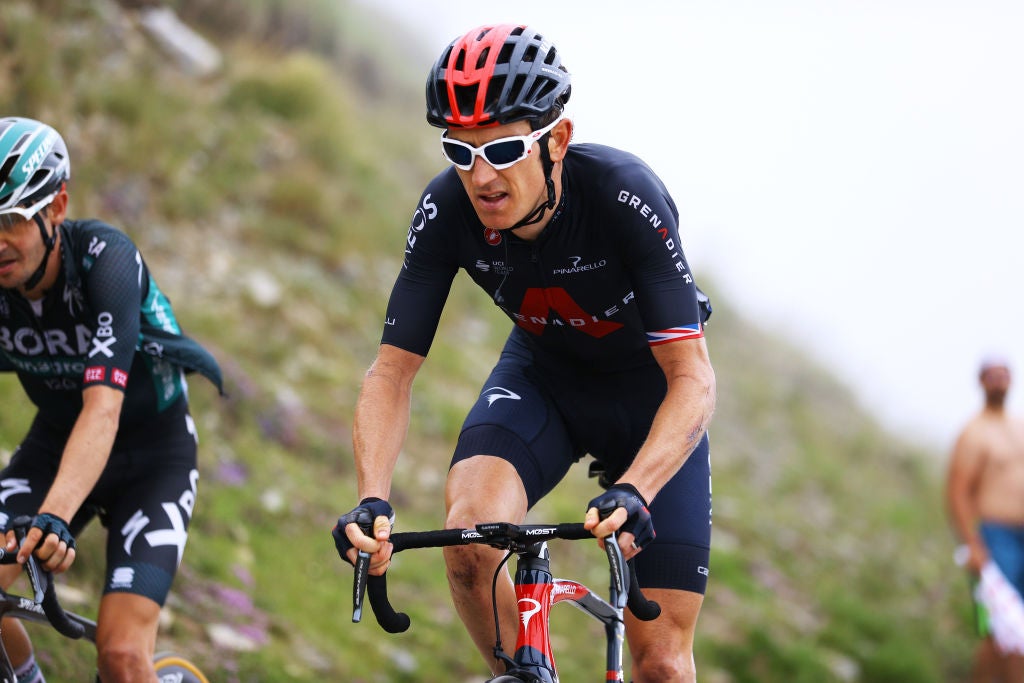
Geraint Thomas rode the Tour de France despite dislocating his collarbone (Photo: Tim de Waele / Getty Images)
Geraint Thomas is expecting a “war of attrition” in the race for gold in the men’s road race at the Olympic Games on Saturday.
The men’s peloton will face 234 kilometers in almost 90-degree temperatures and nearly 5,000 meters of climbing in the race for gold.
The ascent of Mt Fuji is the centerpiece of the event, but the Mikuni Pass – which averages 10.6 percent and hits gradients of up to 20 percent – will pack a punch in the final 30 kilometers of the race.
Also read: Olympic road race: What you need to know
“We’ve ridden the two toughest climbs and they’re certainly tough and then as I say, the heat humidity will definitely add to that you know, 230-odd kilometers,” Thomas said from his hotel room in Tokyo.
ADVERTISEMENT
“There’s still 10k or so of flat after the descent, so it’s not the be all and end all at the top. But as we all know, 20 seconds or so with a small group of the front can easily stay away because the group behind might start looking at each other,” Thomas said.
“There’s so much that can happen and then that’s what makes the road race. So good to watch and not so good sometimes to be a part of, because of the whole tactical side and what can happen. It’s not really a lottery, but you need a bit of luck.”
Also read: Great Britain Olympic team seeks Tokyo triumph after Tour de France trauma
Thomas is one of the many riders who have jetted to Japan after finishing the Tour de France. The Welshman helped his teammate Richard Carapaz to third overall but had a disappointing personal race after crashing and dislocating his shoulder in the first week.
ADVERTISEMENT
Thomas is always relatively upbeat no matter what the sport throws at him and he’s relatively confident his injuries won’t hamper him Saturday.
Team tactics and no egos
Thomas isn’t the only one coming out of the Tour de France with a few knocks. Simon Yates was forced to abandon after hitting the deck hard in a big pile-up on stage 13, though he avoided any broken bones.
ADVERTISEMENT
The early departure from the Tour meant he could head out to Tokyo earlier than some and get acclimatized to the conditions as he recovered.
“I still a bit bruised and banged up from that, and I took a few easy days and I’ve got stuck into the physio side of things for quite a while now,” Yates said. “We’ve managed to extensively see the course I think we know pretty much all of it, especially the final part.
“We haven’t really spoken about how we’re going to,” Thomas said. “But yeah, I think it all comes down on to the day as well, there’s so much can change with the heat and the humidity, hydration wise and things and, and just how people are feeling.
ADVERTISEMENT
“I think, once we get out there, the main thing is there are no egos and we just communicate well, and we have our plan, and we try and execute as best we can. With such small teams and so little control, a lot can happen.”