Published July 2, 2020 10:41AM
If you buy through our links, we may earn an affiliate commission. This supports our mission to get more people active and outside.Learn about Outside Online's affiliate link policy
Best road helmets, tested and reviewed
The best road helmet combines a rotational force system, light weight, ventilation, and aerodynamics into a sleek and comfortable package. That's a tall order.
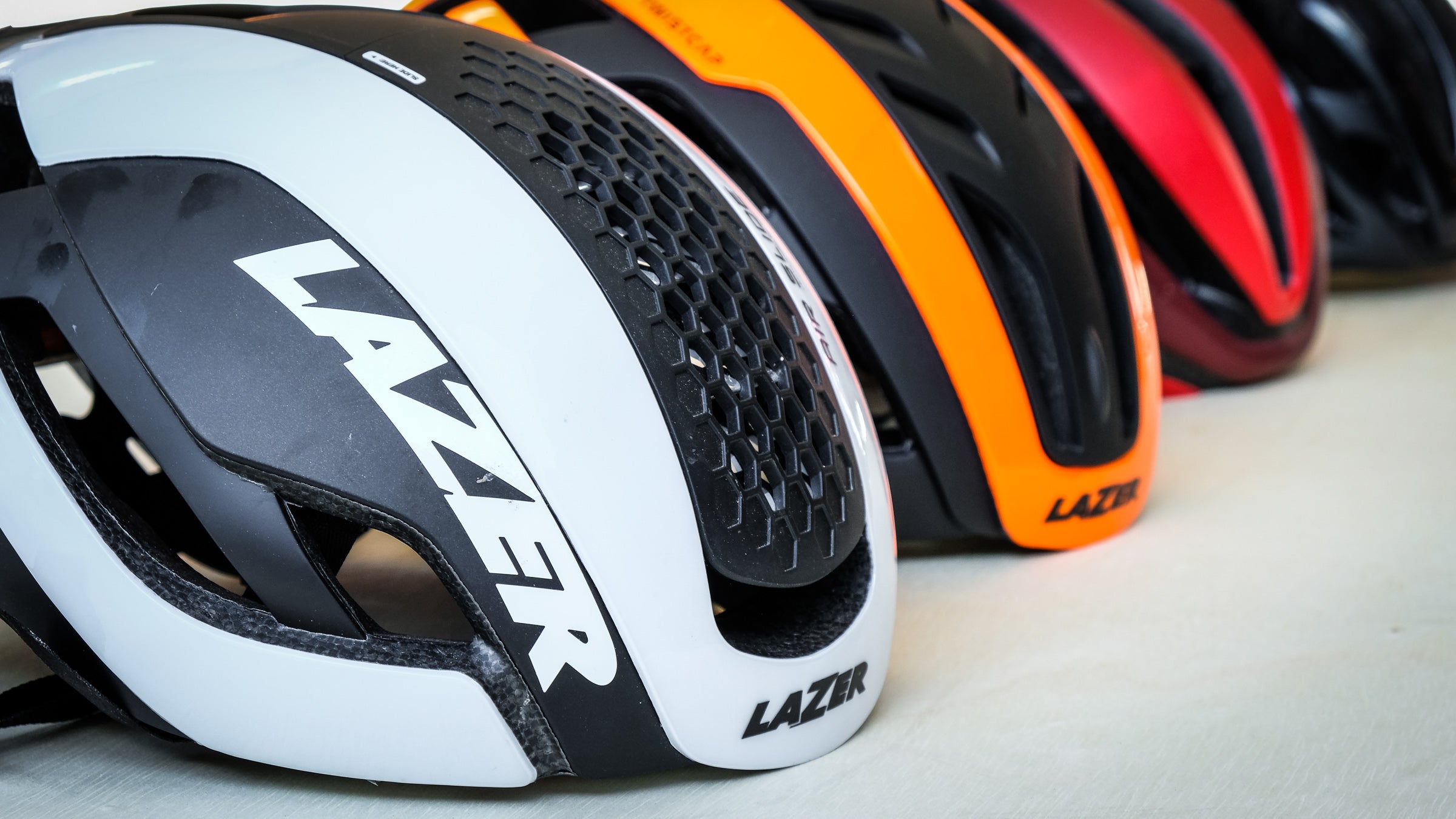
We tested several lids to find the best road helmet on the market. Here's what we found out. (Photo: Dan Cavallari | VeloNews.com)
The best road helmet addresses an almost impossible equation: the intersection between aerodynamics, light weight, safety, ventilation, and good looks. With that many critical factors, it should come as no surprise that the best road helmet therefore likely compromises on some of those factors.
It’s hard to find a helmet that doesn’t have some sort of rotational impact system built in. MIPS is certainly the best known, but Bontrager made a splash with its Wavecel technology recently, and other companies are now developing unique ways to dissipate rotational forces. That’s the biggest, most obvious component of modern helmets, but it is by no means the only criteria on which to judge whether a helmet is up to snuff.
So we tested a lot of them to get a sense of which ones feature the unique combination of safety, comfort, light weight, ventilation, and cool looks. Our testers gave feedback based on the helmet’s fit and comfort, style, ventilation, safety features, and aerodynamics when applicable. Here’s everything you need to know.
Related:
- Tech Podcast: What’s new in helmet technology?
- Bontrager says WaveCel is 48 times better at preventing concussions
- Giro introduces Spherical technology
ADVERTISEMENT
Helmet construction
While other materials are creeping into the mix, expanded polystyrene (EPS) foam is still the material of choice for basic helmet construction. It’s light and impact-resistant, and it’s easily molded into various shapes. This makes it ideal for helmet construction. Just about every helmet out there will have EPS incorporated into it and will provide the general shape and structure for the lid.
You’ll also find a hard shell on the outside of that EPS, which helps protect the foam from dings and scratches, among other functions. The outer shell may also help reduce impact forces. The shell’s function can vary by design.
ADVERTISEMENT
Here are other considerations when examining modern helmets:
- Rotational forces. This is the new secret sauce. Just about every helmet company has come to the conclusion that rotational forces do a lot of damage in the event of a crash, so modern designs incorporate some sort of system to mitigate those forces. MIPS is the most popular system by far, but there are plenty of others on the market: Wavecel from Bontrager, Koroyd (incorporated into Smith helmets), and many others that are often proprietary to a certain brand. They all attempt to do the same thing: absorb rotational forces by sliding or slipping, so your brain doesn’t.
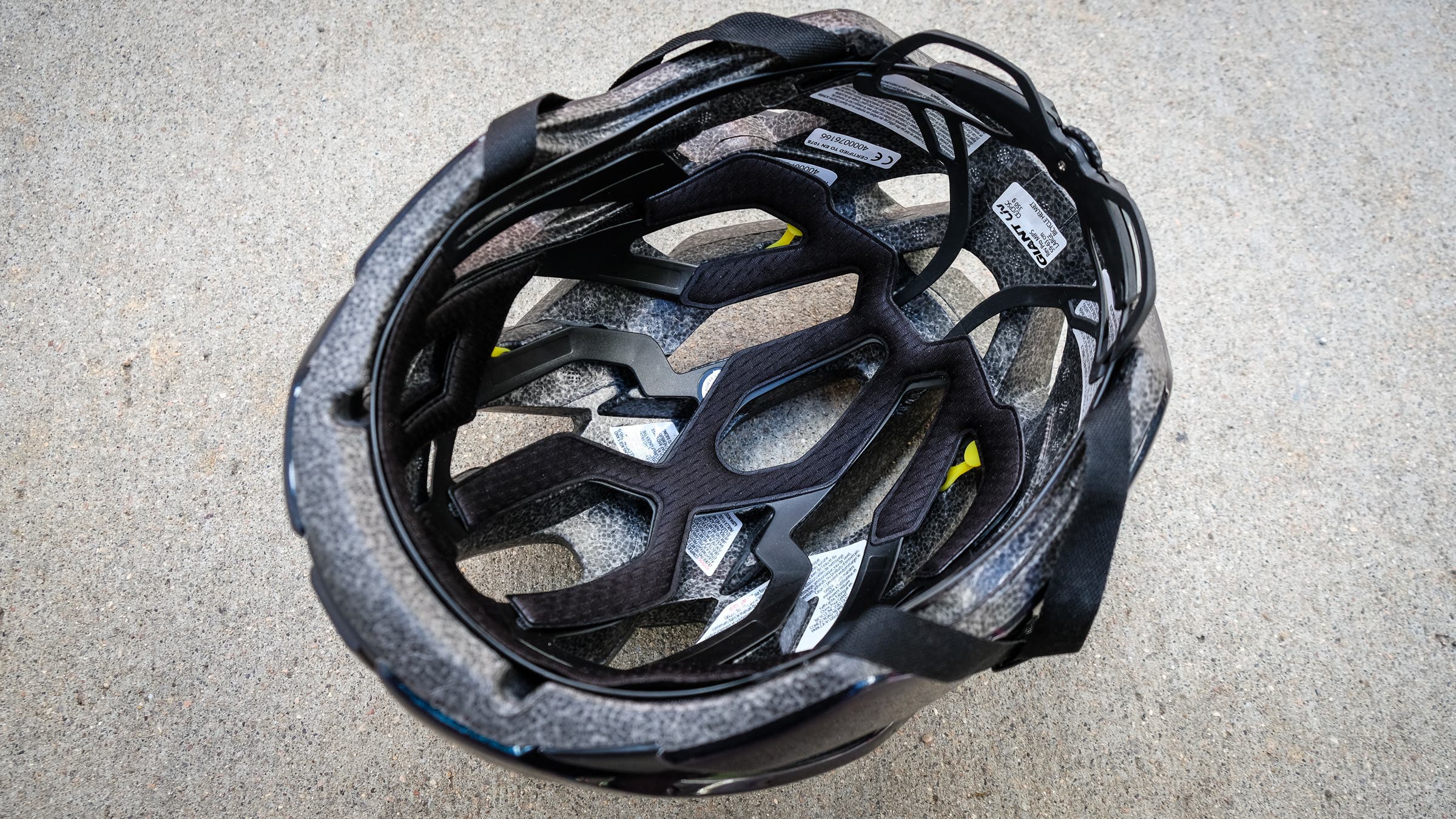
The MIPS liner helps address rotational forces in the event of a crash. Photo: Dan Cavallari | VeloNews.com - Venting. It’s tough to make a helmet that’s aerodynamic, light, and well-vented. The best helmets address venting with big external vents, internal channeling, or a combination of both. If a helmet is aero but stifling, it’s likely you’ll reach for it far less often. Bald riders or those prone to sunburn will want to consider how large the vents are, even if it aids cooling. Aero helmets might be better choices for sun protection, though they tend to be hotter.
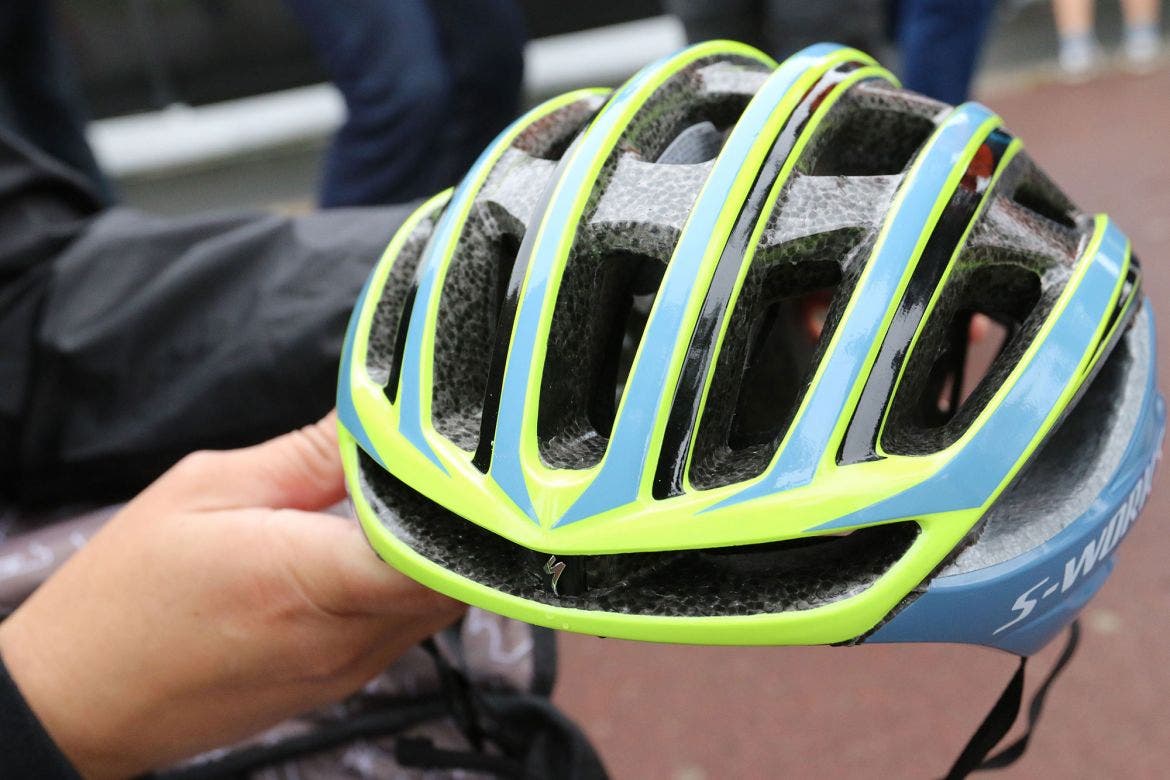
The helmet keeps your head plenty cool with big vents throughout. Photo: Dan Cavallari | VeloNews.com - Fit. The harness that wraps around your head within the helmet is responsible for reducing unwanted movement, but it’s also the biggest pain point when it comes to comfort. It’s vital that the dial adjusts quickly and easily in small increments for the best fit. It’s also important that no component of the fit system digs into your head or causes uncomfortable pressure points. And finally, the fit system should interfere with your eyewear as little as possible.
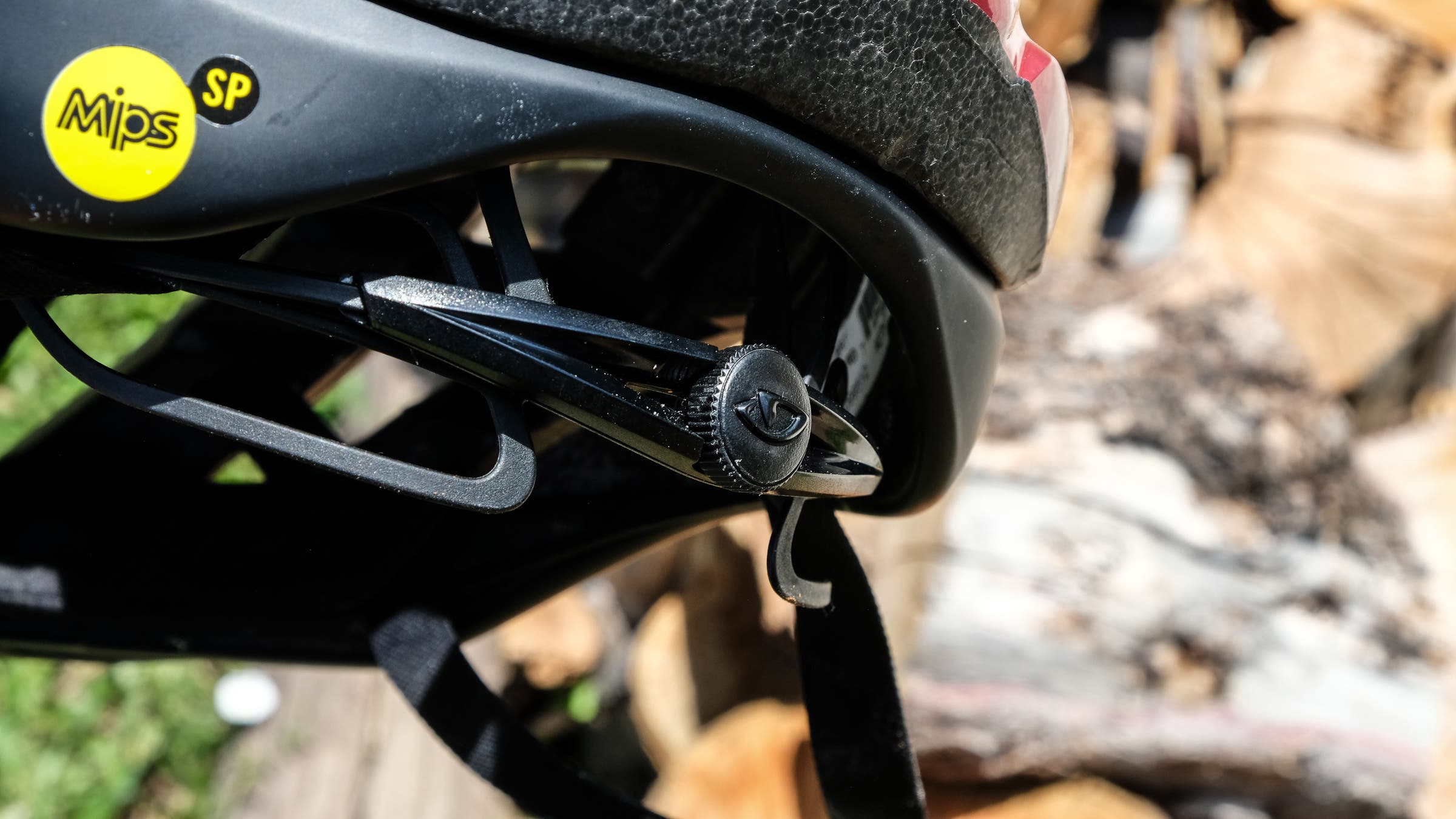
Photo: Dan Cavallari | VeloNews.com - Aerodynamics. At this point, you’ll be hard-pressed to find a helmet on the market that doesn’t take aerodynamics into serious consideration. But it’s important to decide how much aerodynamics really matter to you, because it often comes at the expense of ventilation. Truly aerodynamic helmets also tend to be heavier than feathery climber’s helmets, and they’re very often closed off like the Lazer Bullet below. To counter such problems, aero helmets often feature internal channeling to help keep air flowing over your head. The Bullet, for example, features a sliding hatch that opens when you need it, to let air inside and flow through the internal channeling. That said, expect to pay for aerodynamics with added weight and less cooling features.
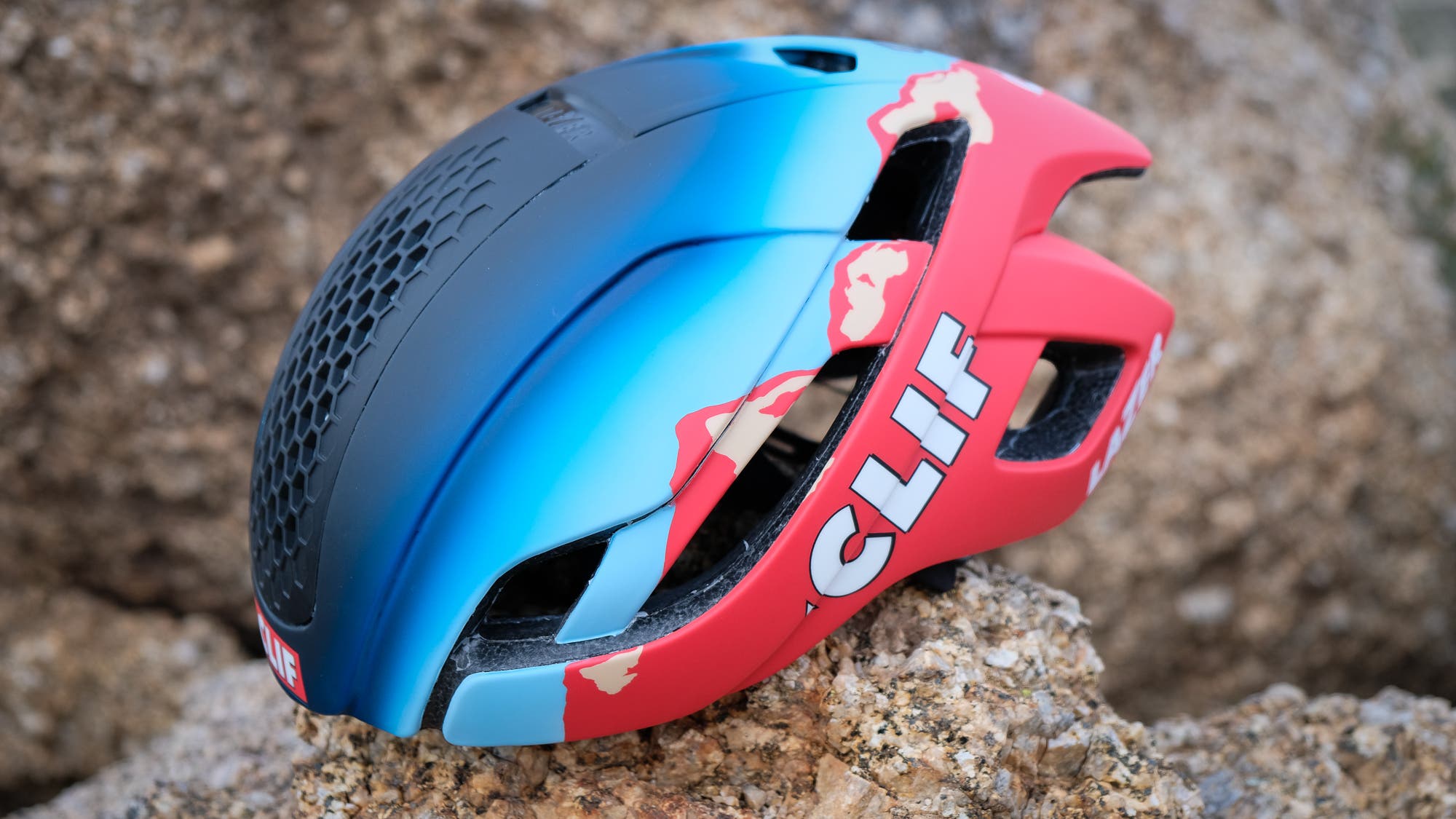
Photo: Dan Cavallari | VeloNews.com
The best road helmets
EDITORS’ CHOICE: Giro Aether Spherical
$350
★★★★★
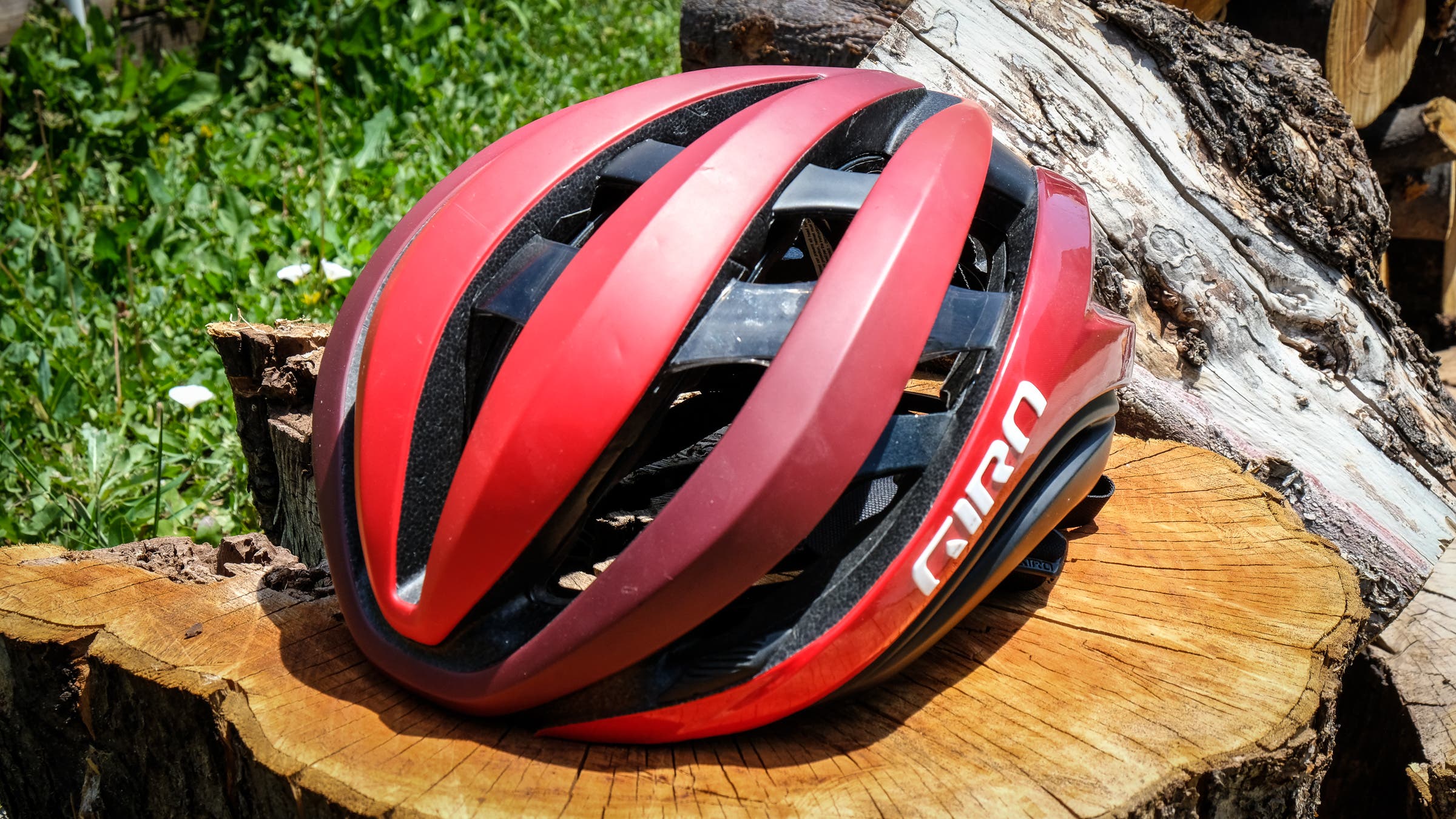
Giro’s Aether Spherical helmet is the best road helmet for all-around riders. It’s exceptionally well-ventilated and features a novel MIPS application: An inner EPS shell rotates within an outer EPS shell, like a ball and socket, to help disperse rotational forces in the event of a crash. It’s a great-looking helmet that’s also super comfortable, and it features Giro’s best-in-class Roc Loc Air fit harness. It’s an expensive lid, but Giro packs a ton of key features into this top-of-the-line helmet to make it the best of the best.
POC Ventral Air Spin NFC
$275
★★★★★
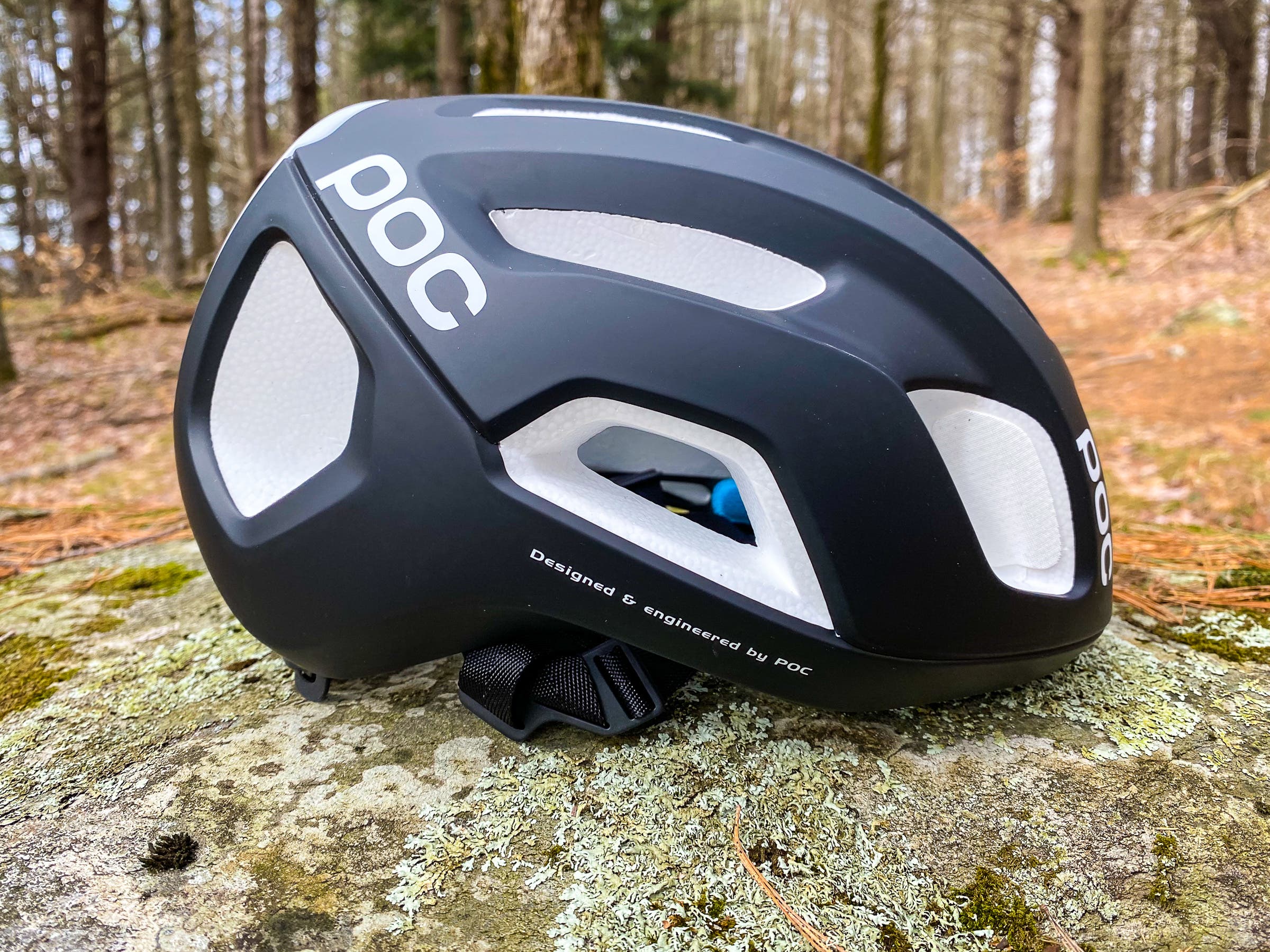
Not only is this helmet superbly ventilated, light, and sleek, but it contains an NFC Medical ID chip that lets first responders access your emergency contacts, medical history, drug allergies, insurance information, and more. Extra coverage in the back is more protective than most road helmets. And massive ventilation ports make this one of the breeziest helmets we tested, and the venting won’t slow you down.
Lazer G1
$220
★★★★★
ADVERTISEMENT
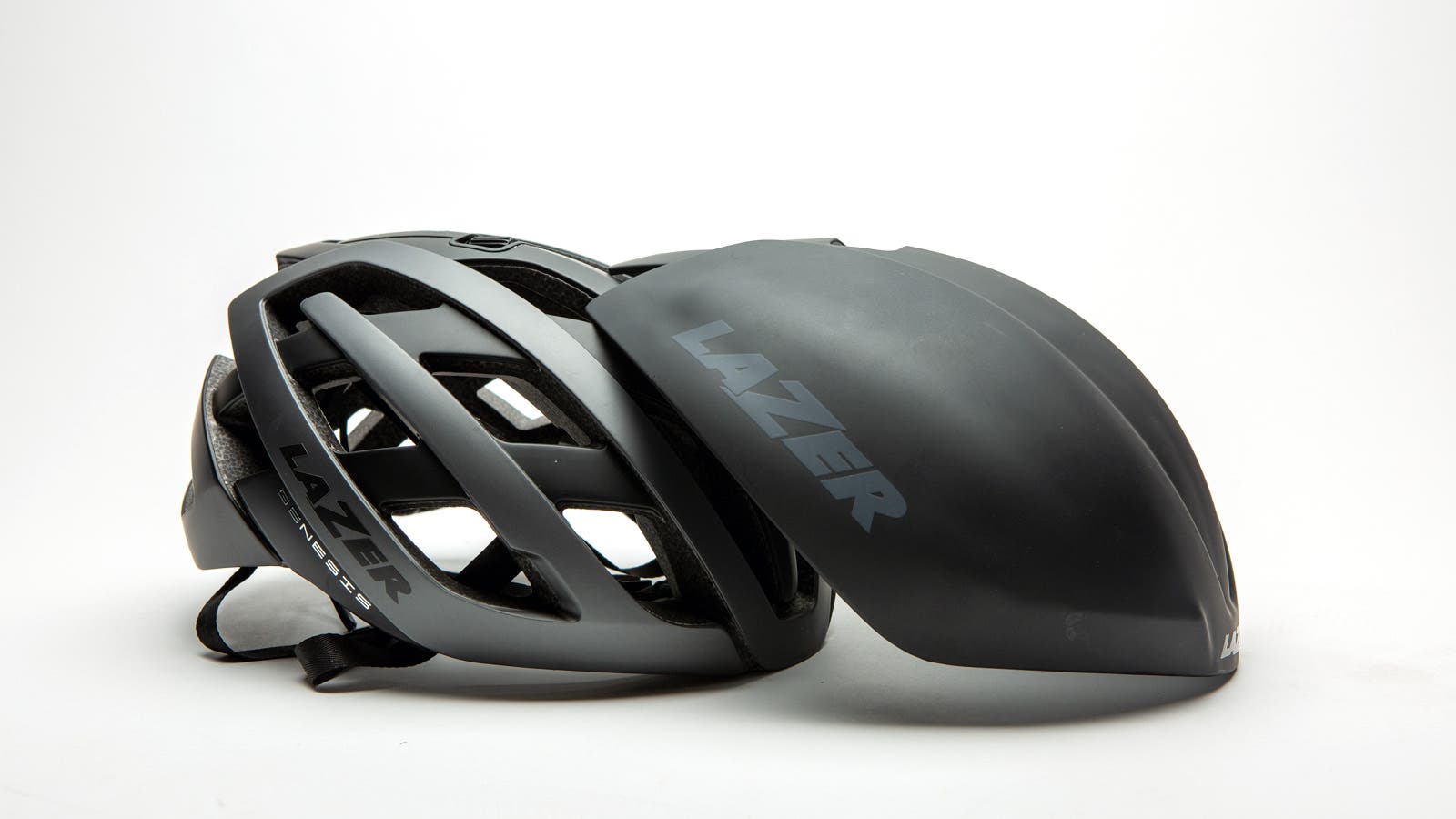
Have we hit peak weight weenie? Lazer doesn’t think so. The G1 is one of the lightest helmets on the market, but that’s not its only advantage. A whopping 22 vents make it an airy choice for hot summer days, and the Aeroshell accessory means you can turn it into an aero helmet and cut off that venting. Talk about versatility.
Smith Trace Hi-Viz
$260
★★★★★
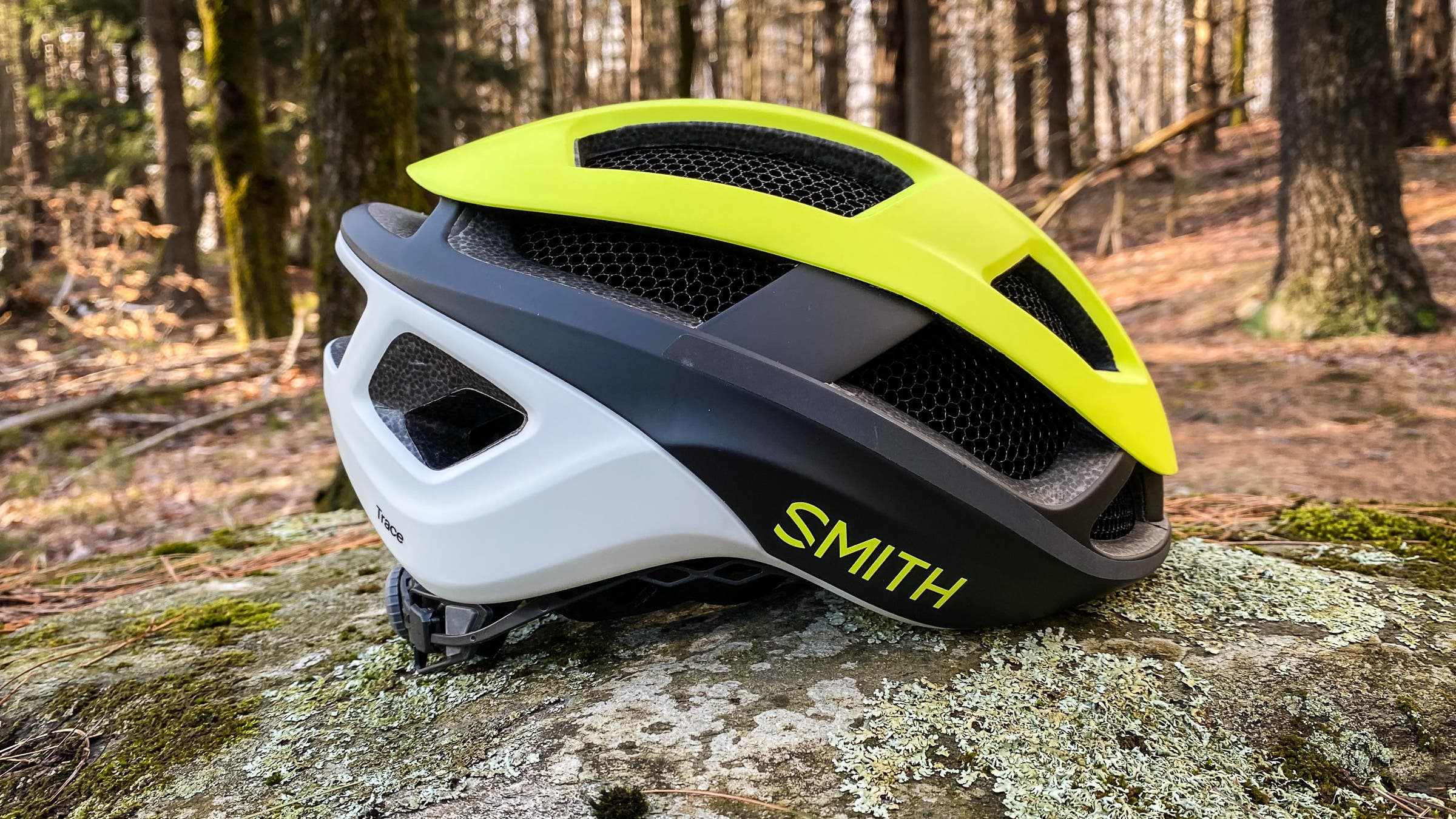
With a record number of cyclists getting hit and killed by cars each year, Smith decided to focus on making riders more visible to motorists with its neon yellow Trace. The helmet, which features honeycomb Koroyd and a MIPS Liner, provides high visibility from all directions day and night thanks to the bright yellow crown, and 360-degree reflectivity. And if you want to be even more visible, the helmet is light-mount compatible.
Lazer Century MIPS
$150
★★★★★
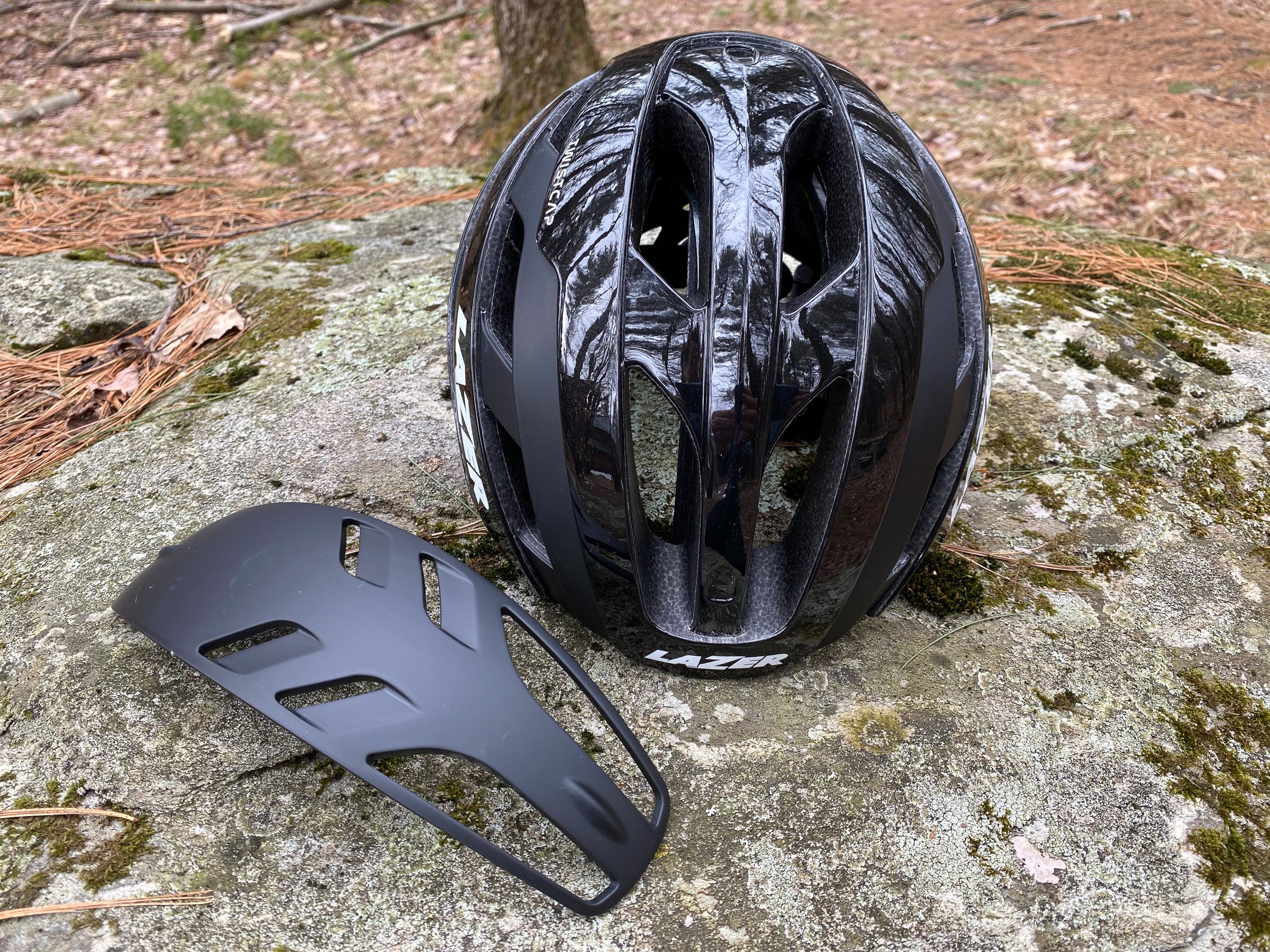
Basics: Every year, in collaboration with the Insurance Institute for Highway Safety, Virginia Tech tests bike helmets for safety. This year, of the 99 helmets tested, Lazer’s Century MIPS scored the highest safety rating. While Virginia Tech doesn’t detail their findings, there are obvious features that make this helmet extra safe, including the integrated tail light and extra-durable materials.
Specialized S-Works Evade II with ANGI
$275
★★★★★
ADVERTISEMENT
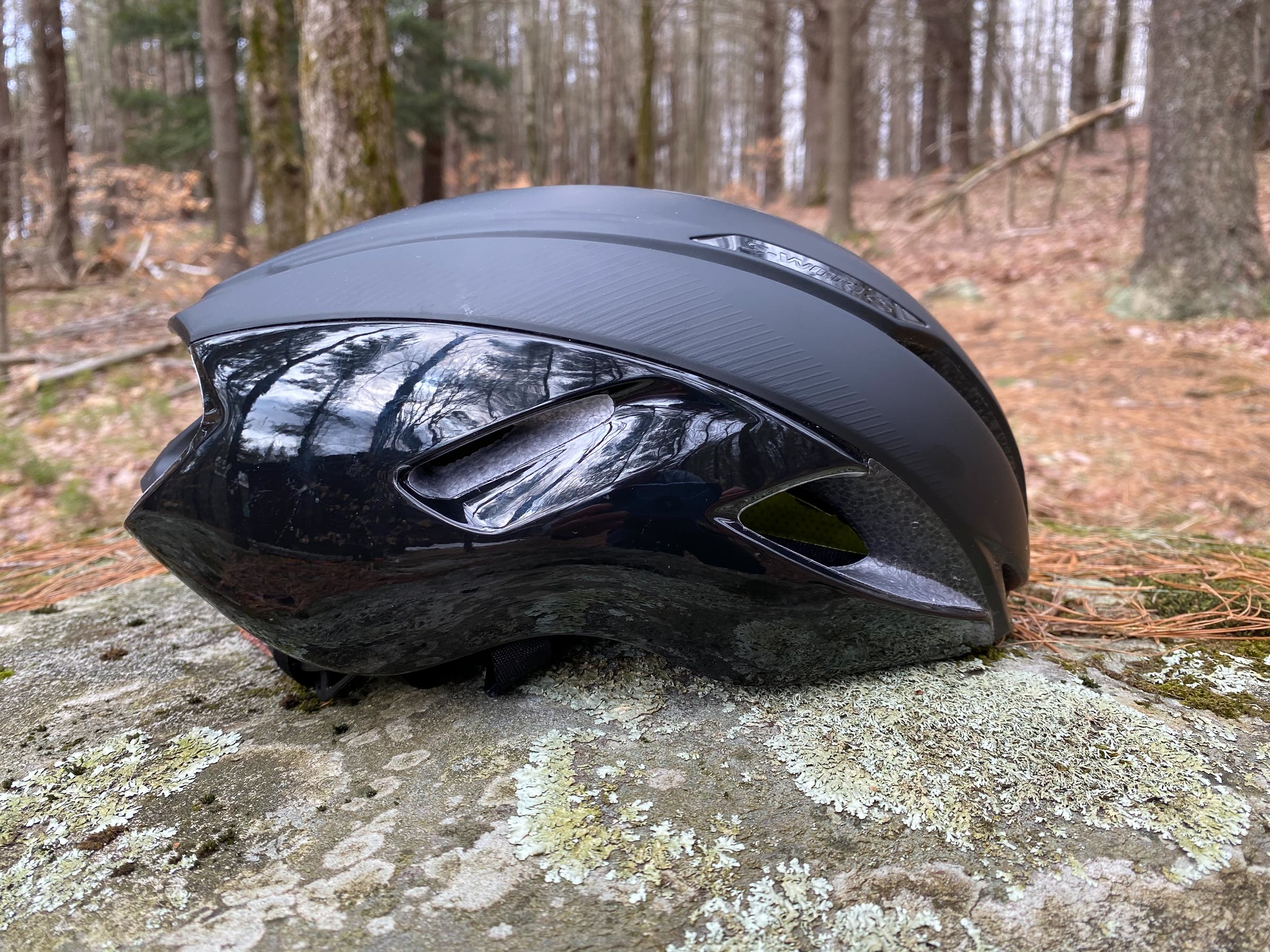
An aero helmet disguised as an everyday helmet, Specialized says its Evade II is the fastest road helmet on the market. It’s also a helmet that will give every rider peace of mind. In a crash, the ANGI sensor embedded in the helmet’s harness texts phone contacts you choose to let them know you’ve been in an accident. The sensor syncs with Specialized’s app and Strava to provide GPS-based tracking. Specialized uses the new MIPS SL system in this helmet, which, like POC’s Spin, puts the rotational impact absorption into the helmet pads.
Giant Rev MIPS
$250
★★★★
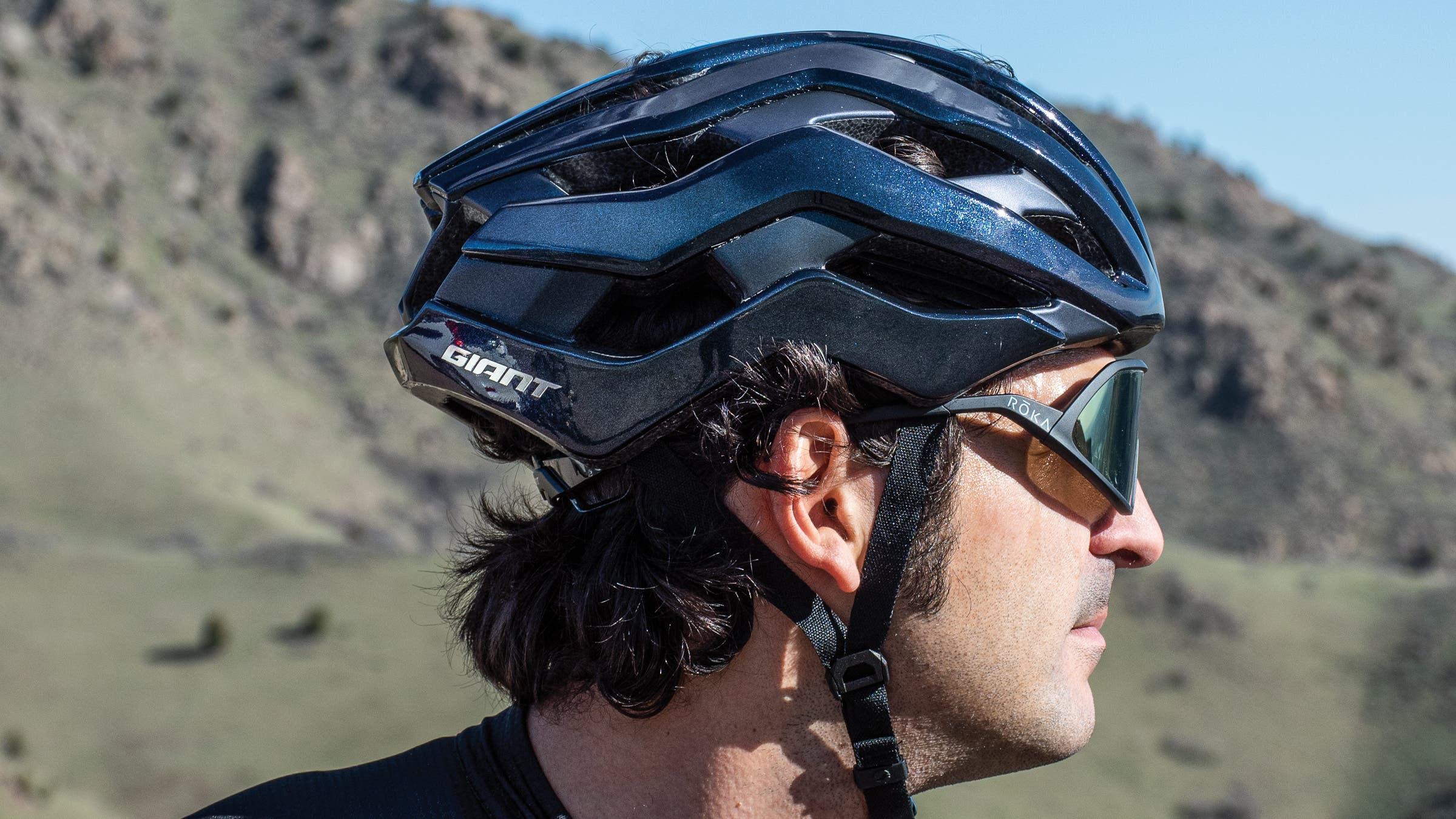
The Rev Pro MIPS is Giant’s best helmet to date. It looks awesome and vents well, while keeping air flowing over your head via generous internal channels. But if you have an oval-shaped head, you are likely to get some pressure on your forehead, so be sure to try this one on before purchasing.
Specialized S-Works Prevail II
$225
★★★★
ADVERTISEMENT
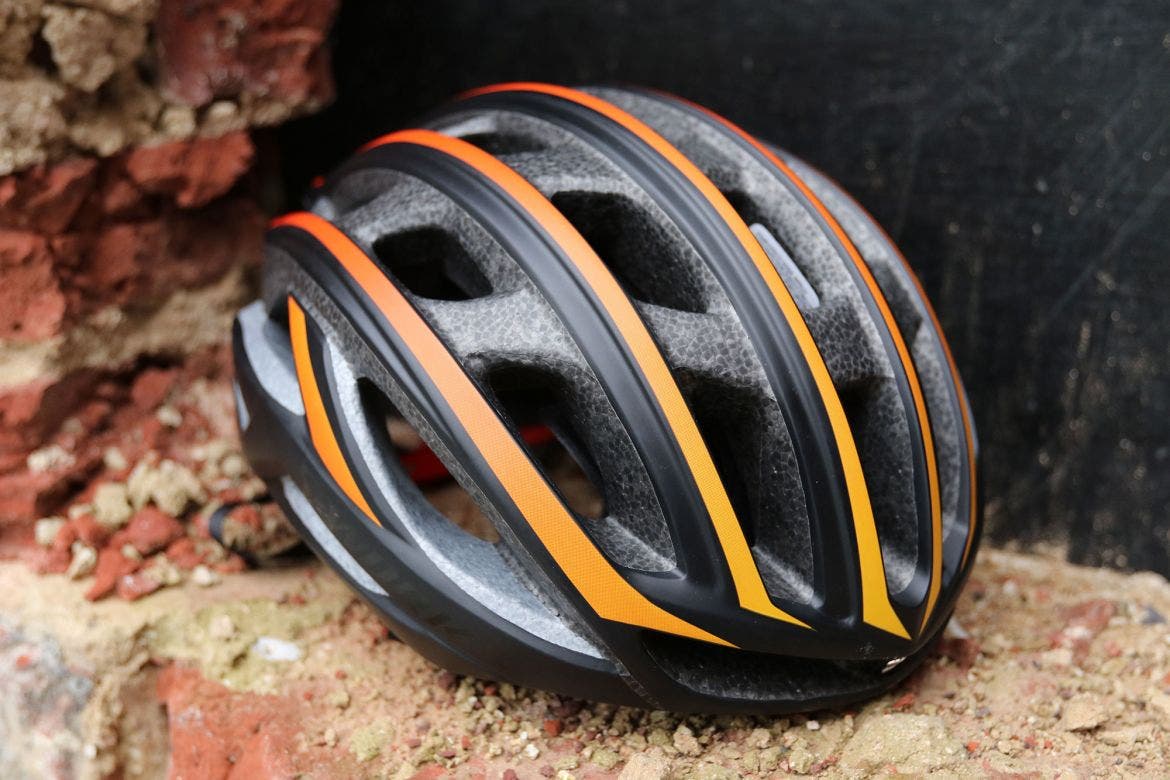
The Prevail got a makeover back in 2016 with the Prevail II, a light and sleek helmet with heaps of ventilation. It looks cool and is ideal for super-hot days, though the sizing does run large. A reinforcing skeleton lives within the EPS foam to add strength, so despite its wispy appearance, the Prevail II is plenty strong.
Lem MotivAir
$225
★★★★
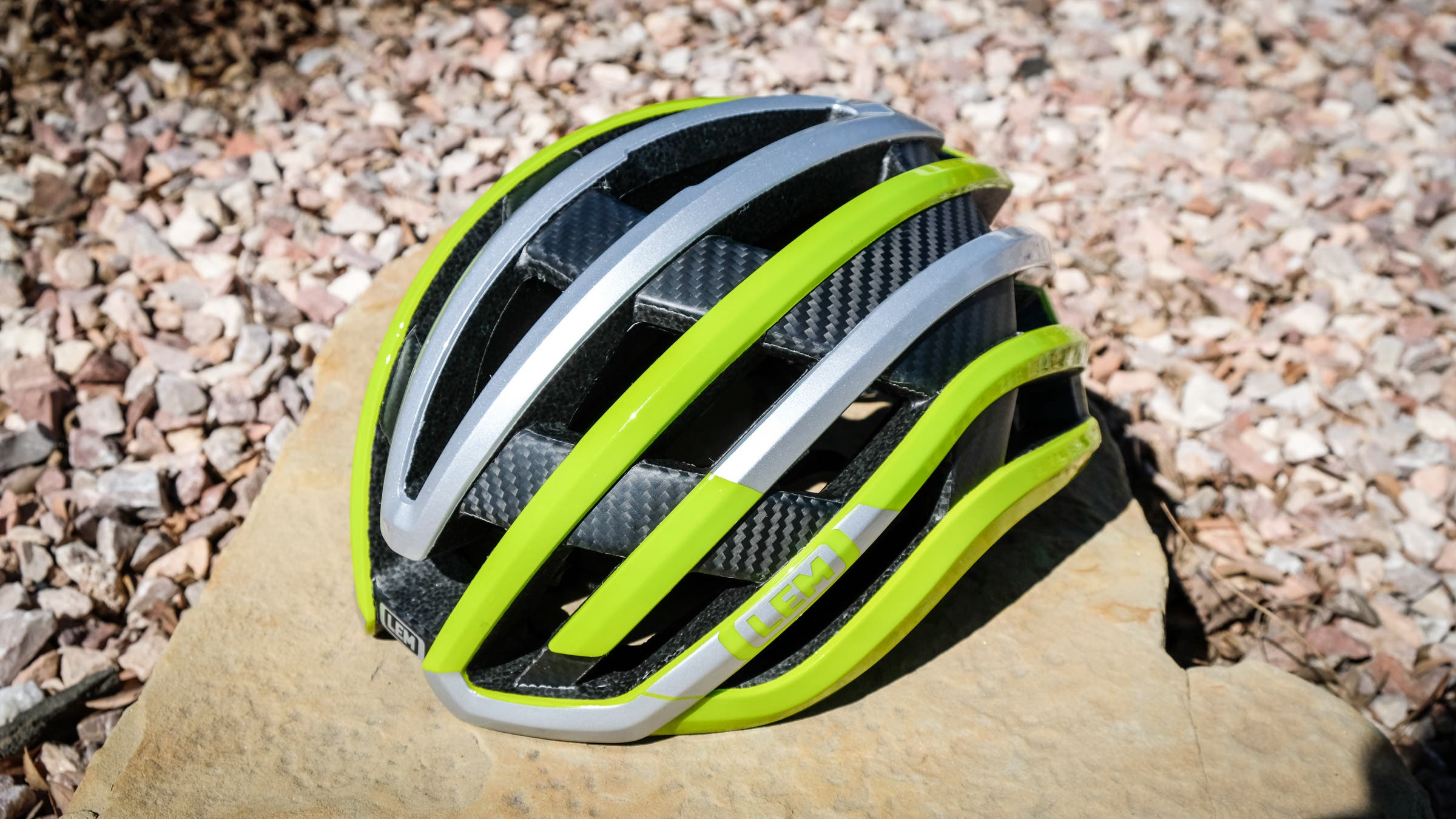
Made for road, gravel, and cross-country mountain biking, this helmet has a polycarbonate shell with a carbon fiber exoskeleton that LEM says gives it oblique-impact management without a MIPS liner. Extra strength on the outside lets LEM build in 23 vents without compromising the helmet’s structural integrity. It also allows LEM use low-density polystyrene foam underneath because the beefed-up shell will hold the foam together better than other shells in a crash. It’s the lightest helmet in this test group.
Kask Utopia
$300
★★★★
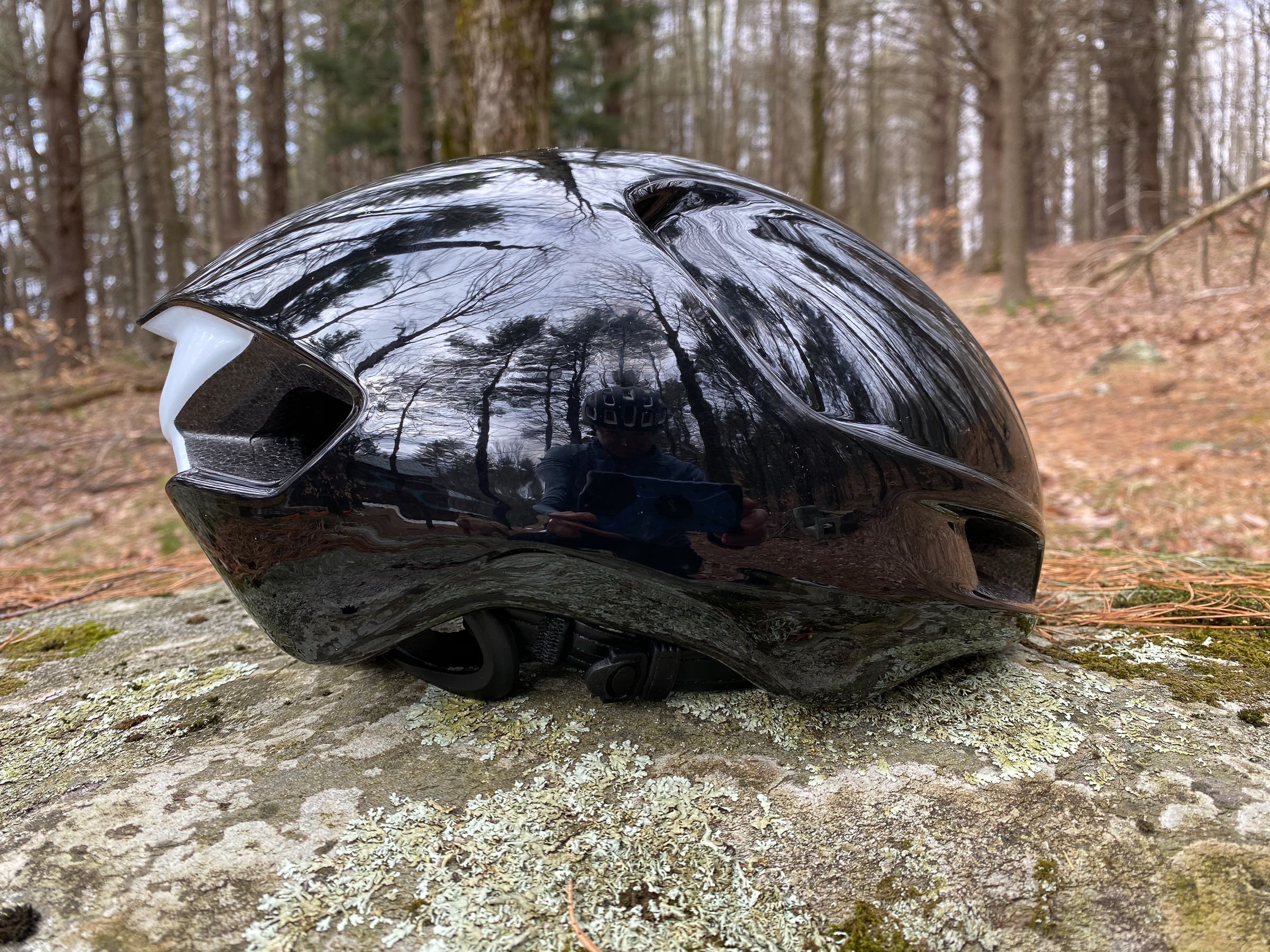
Aerodynamics was the first consideration when Kask designed the Utopia helmet. But good ventilation wasn’t far behind. Made for road racing and triathlon, the Utopia has a more traditional aero shape, but the airflow is good enough we wore it for training too, especially when intervals and sprints dominated the day. Kask says the Utopia can be used year-round in all climates, and that it will save a rider 6 watts at 50 kilometers per hour.
Oakley Aro3
$180
★★★★
ADVERTISEMENT
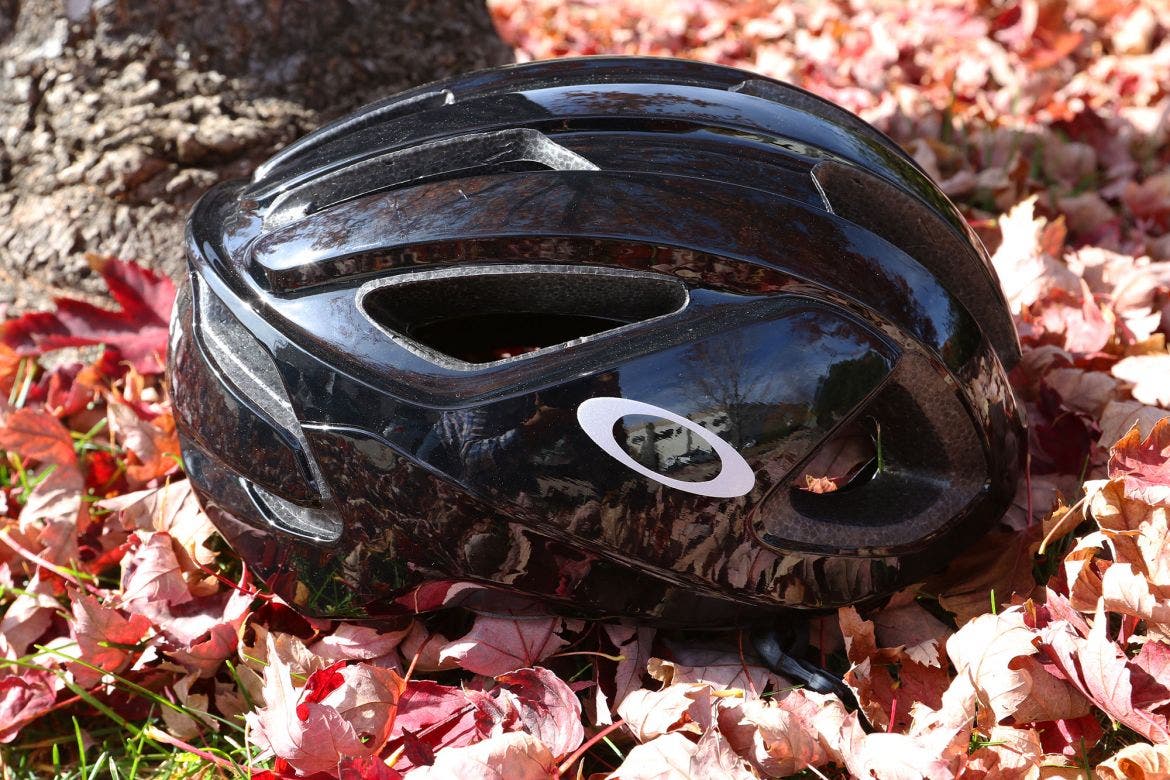
Oakley’s Aro3 quickly sorts us all into two camps: the camp that embraces new and out-of-the-ordinary aesthetics, and the camp that prefers traditional styles and shapes. While both tribes are likely to enjoy the exceptional fit, venting, and featheriness of the Aro3, only the stylistically adventurous will truly love this lid.