Published July 16, 2021 08:08AM
Lauren De Crescenzo, Lauren Stephens, Ian Boswell, Pete Stetina and others headline hot and dusty Belgian Waffle Ride
A start-studded field will face hot temperatures and dusty trails at Sunday's Belgian Waffle Ride San Diego.

De Crescenzo after winning Unbound Gravel in 2021 (Photo: Wil Matthews)
The U.S. gravel racing season continues to chug along with San Diego’s Belgian Waffle Ride on tap this Sunday, July 18.
The race returns after missing its 2020 edition due to the COVID-19 pandemic, and for 2021 the event boasts a new host venue, a lineup teeming with top riders, and a few major tweaks and changes due to ongoing caution around COVID-19.
The biggest change for 2021 is the date — organizers have traditionally held BWR in mid May, when inland temperatures in Southern California are still starting to rise. This year, due to restrictions in San Diego and Riverside Counties, organizers had to bump the race back to mid July.
The later date likely means hotter temperatures and dustier trails.
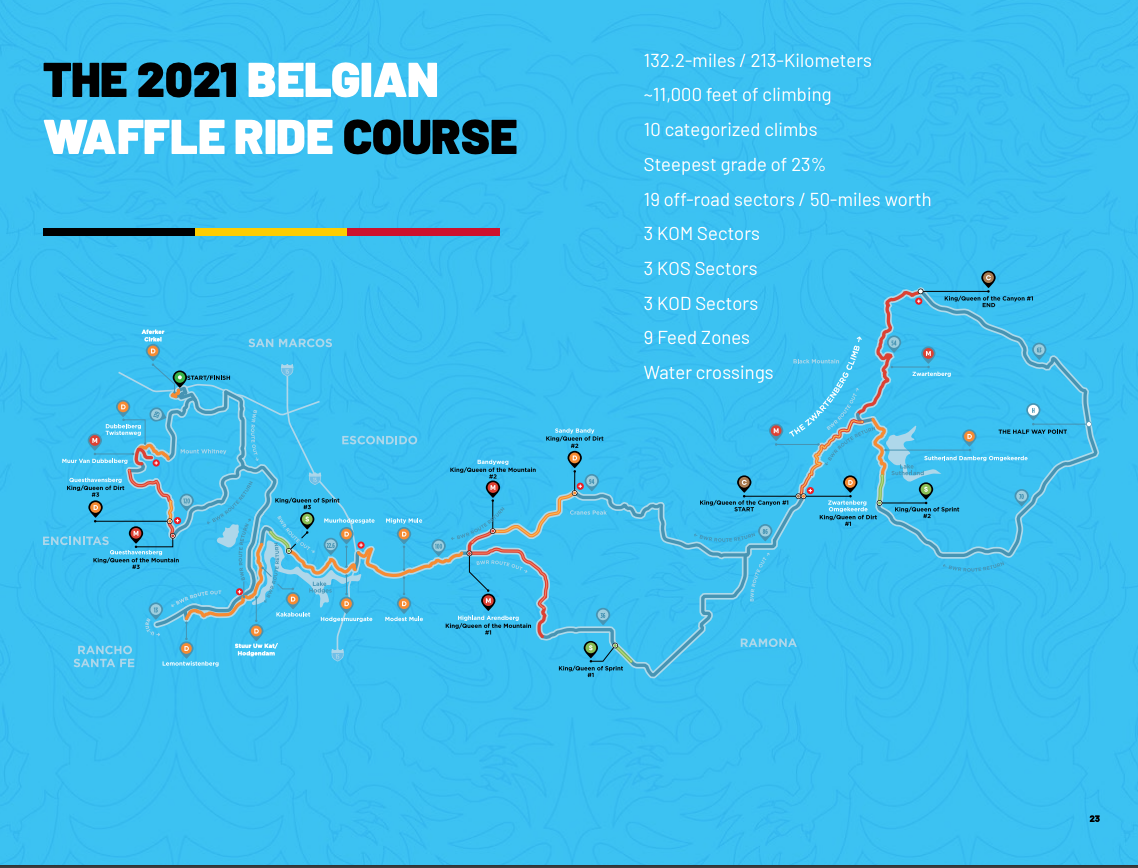
Director Michael Marckx said the race has boosted its number of volunteers and support infrastructure this year in an effort to serve the riders.
ADVERTISEMENT
“We have more course marshals out on the dirt, more mechanics stationed at strategic points on course — in general we’ve more than doubled the number of vehicles we have on-hand to support the riders,” Marckx said. “The idea is to serve people better than anyone else — they’ve paid a chunk of change to do this event and we want to respect that.”
Another change for 2021 is the addition of film crews to focus on both the men’s and women’s race — the team is shooting a documentary that will air later this year on Outside TV. At Belgian Waffle Ride the men and women start in separate waves, and Marckx said the 2021 investment in media is aimed at better telling the story of the women’s race.
“We have a separate wave [for women] so we can give them full [California Highway] support and full media support too,” Marckx said. “We’re hoping to document the women’s race better than anyone’s ever documented a women’s gravel race.”
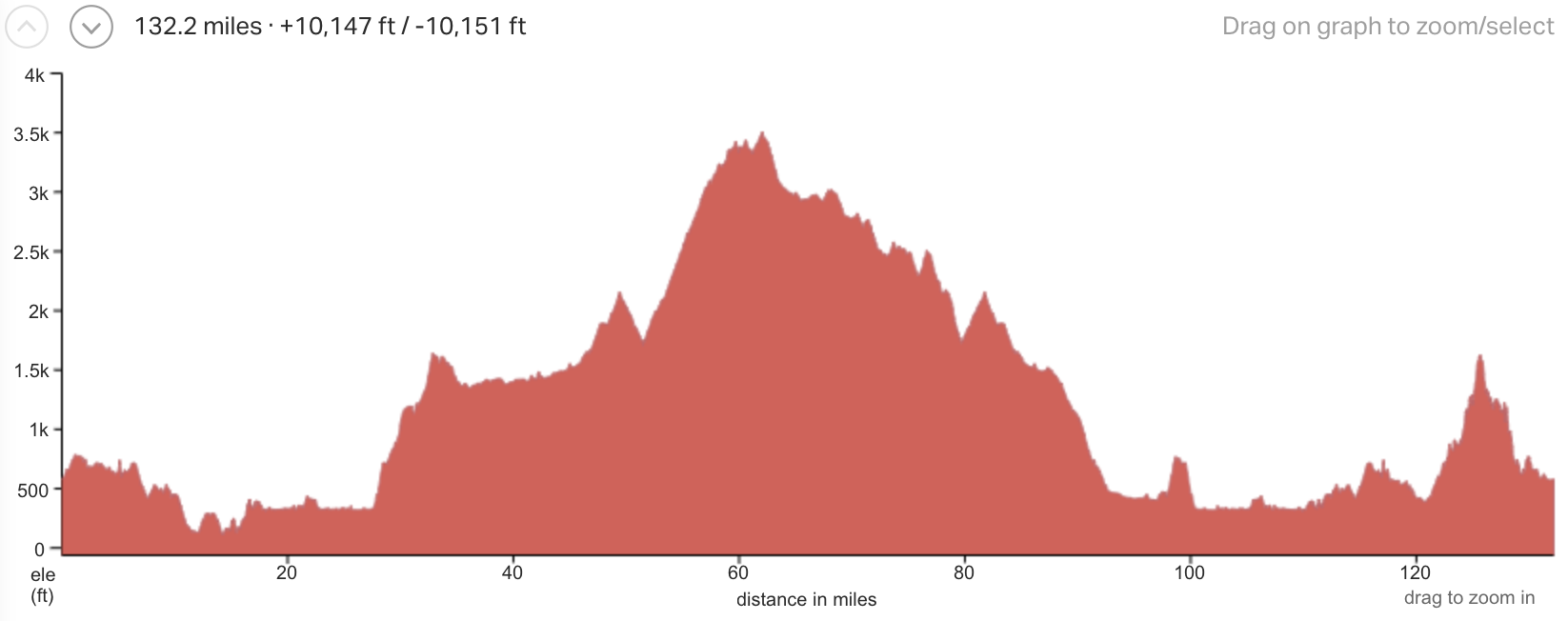
“It’s a stacked field and they deserve that attention,” Marckx added.
ADVERTISEMENT
The race kicks off Sunday morning with wave starts for the men and women. New for this year is the start/finish venue, as organizers have moved the race from the Lost Abbey Brewery to North City San Marcos, a development not far from the original venue, but big enough to host three days of events.
ADVERTISEMENT
Nearly 4,000 people have registered to race. Marckx said the large turnout was a sign that riders were ready to return to mass-participant races.
“Every day reinforces the idea that people are excited to get back to racing,” he said. “I thought there might be some reluctance, or that people had discovered other outlets. What happens every day is I wake up and 10 or 20 have registered overnight, and that keeps going. To me, it indicates a willingness, and a general cycling zeitgeist, that events are OK.”