Published June 14, 2023 04:30AM
Cozy at 2000 meters: Teide alternatives helping to ease altitude training camp logjam
How a pair of British ex-pats are helping to make life easier for peloton's top pros near the top of Tenerife's towering volcano.
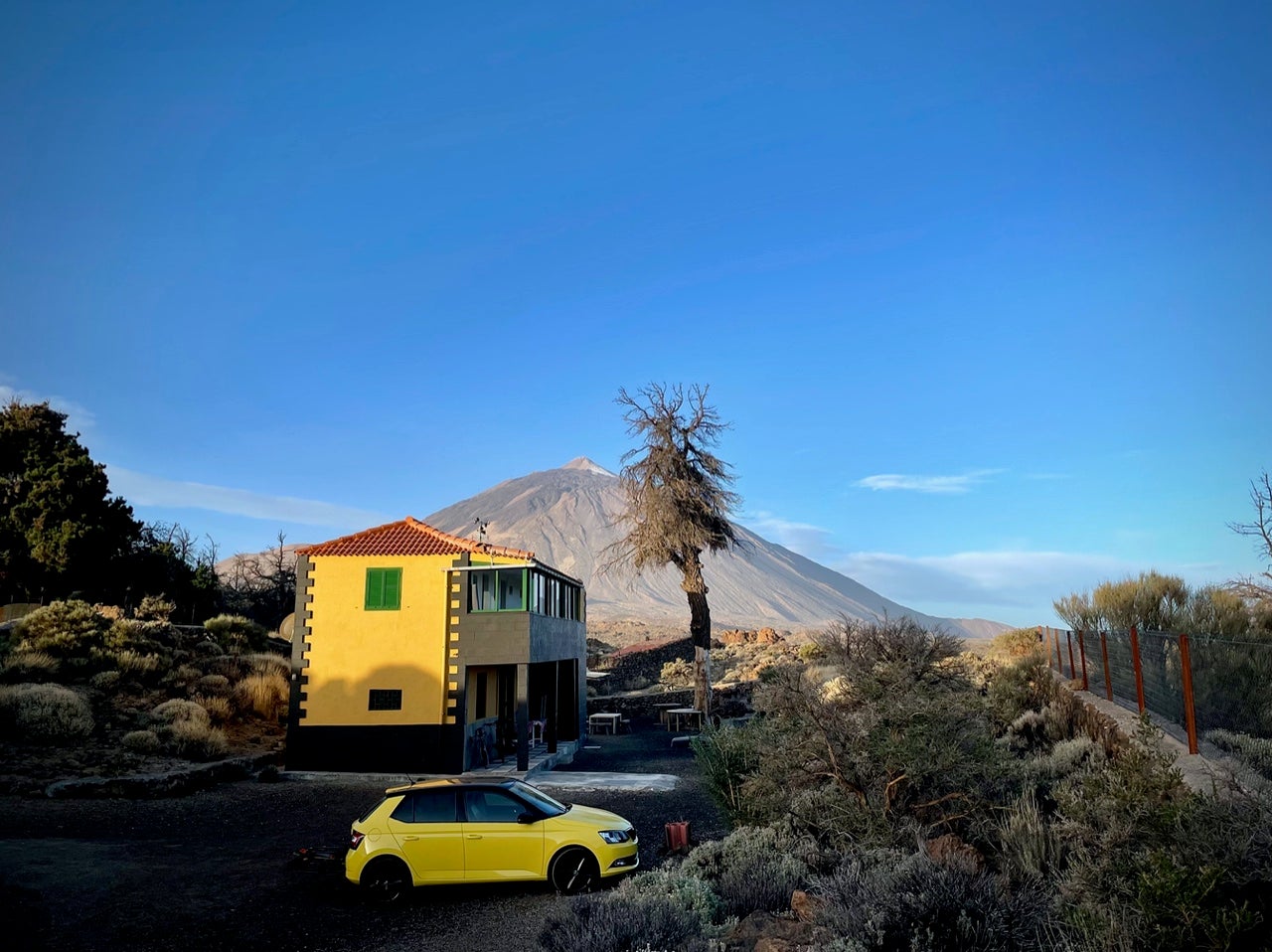
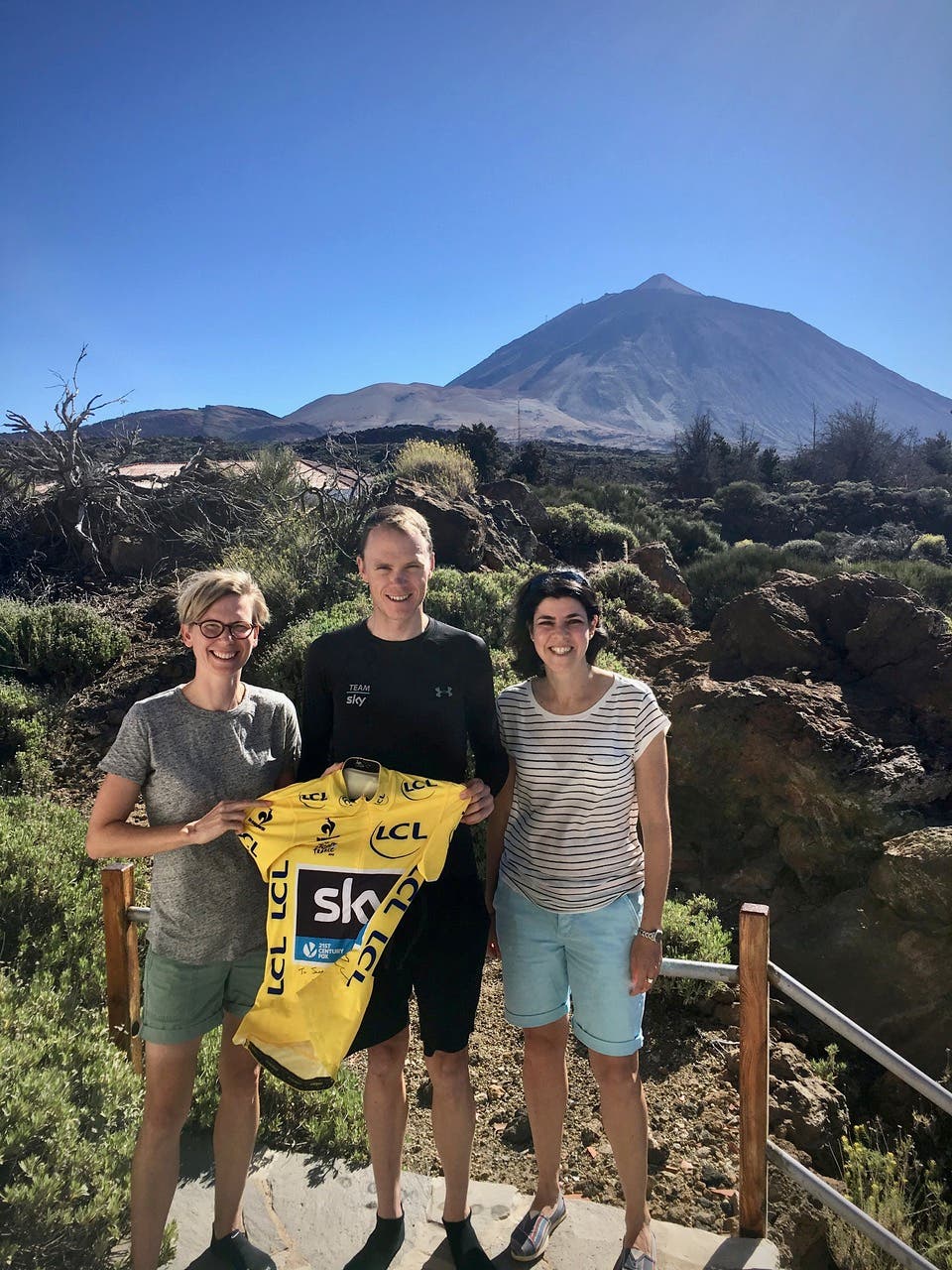
Pros have had to look for housing alternatives on the crowded Teide summit. (Photo: Jane Lucks/Special to Velo)
Everyone knows that Spain’s Teide volcano is the peloton’s favorite high-altitude training ground.
There are so many world champions, yellow jersey winners, and classics specialists clogging the summit in choice months that there is a high-altitude logjam at the parador hotel perched on the edge of the crater.
So much so that teams and riders are booking two to three years in advance to secure rooms for the peak winter training windows.
A chance meeting a few years ago between Jane Lucks, an avid fan who lives on Tenerife, and four-time Tour de France winner Chris Froome is helping to ease the pressure near the top of the volcano.
Back in 2017, Lucks spotted on Instagram that Froome would be training on the volcano, and she hung around the parador hotel where all the pros stay until Froome showed up to get a signed copy of his autobiography.
“I waited around the mechanic’s area at the parador and started to talking to his soigneur about how they wanted to come back, but the rooms were full,” Lucks said. “I said I know a few people and I could call around. Chris signs the book, we take some photos, and we’re happy. Then two weeks later I get a call. Remember us? Can you help us find something?”
Also read: WorldTour logjam at the top of Teide
Flash forward to 2023, and that initial conversation led Lucks and business partner Dr. Carolyn Gaskell to create a unique solution to the high-altitude hotel stampede.
ADVERTISEMENT
Since then, they’ve been helping top WorldTour teams and pros organize altitude training camps on Teide by tapping into a network of local property owners who are renting out their highly perched chalets and cabins to the altitude-hungry cyclists.
“We didn’t start out planning to do anything of the kind,” Lucks told Velo. “That’s how it started. We did it as a favor for Chris, and he dealt directly with the owner. And here we are.”
Chasing altitude on Teide
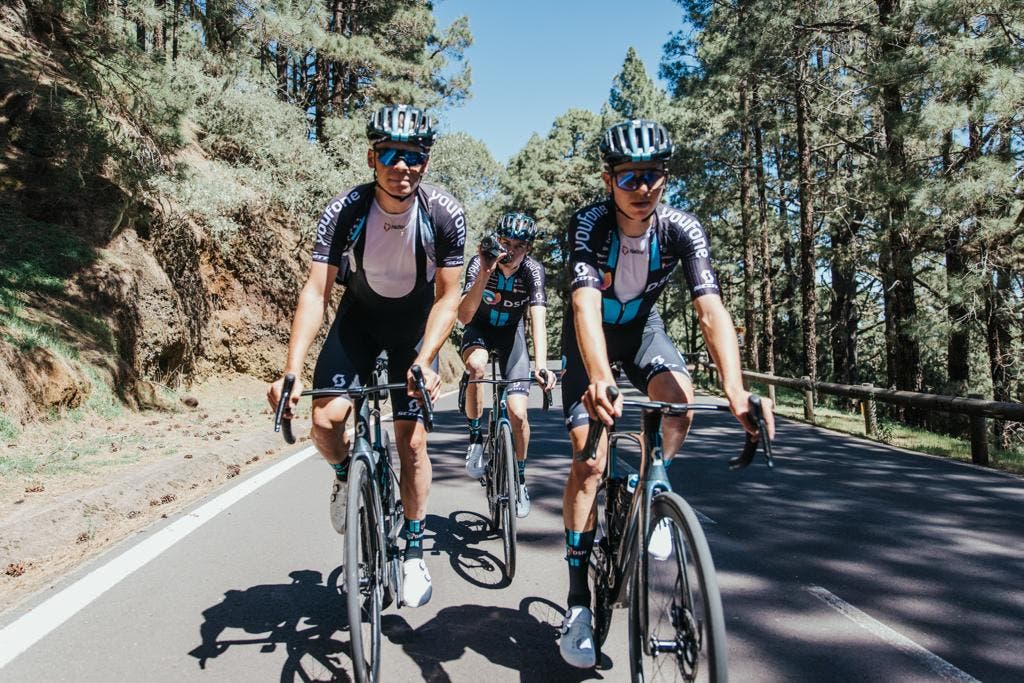
Perhaps only at the Tour de France can a curious fan spot more marquee superstars lounging around the lobby after a hard day of training on the steep and winding roads of Tenerife.
The volcano started growing popular a generation ago, and a handful of elite riders would book out rooms in the parador hotel perched at the base of the highest crater at about 2,000m.
Only a few top pros like Froome or Alberto Contador would have the resources and money to hire out rooms and bring along staff for several weeks up on the volcano.
ADVERTISEMENT
That trickle has turned since into a torrent over the past few years as more teams see the benefit of high-altitude training camps ahead of key races.
“Suddenly there is this massive interest in the altitude camps,” Dr. Gaskell told Velo. “The training here is unique. They can go low and train on the flats, and there’s plenty of climbing up four different roads up. There’s a lot of variety and the weather is usually pretty good.”
Also read: Life at thin air — Inside a WorldTour altitude camp
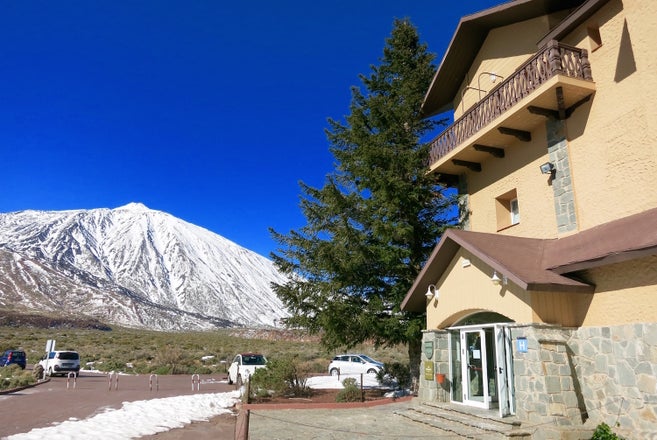
Located at the base of the upper crater, the parador hotel is a buzz of activity of some of the peloton’s top names backed up by a mini-fleet of helpers, coaches, and mechanics.
Teide is now so popular that there’s a logjam of teams wanting to get into the relatively small, 37-room hotel built in the 1960s.
ADVERTISEMENT
It’s not like the upper reaches of Teide is overloaded with hotels. In fact, the parador is the only fully serviced hotel in the 2,000-meter range preferred by the pros.
Efforts to book out room made headlines earlier this spring when it was discovered that teams such as Jumbo-Visma were renting out rooms in key training windows two to three years in advance, much to the chagrin of other riders and teams looking to sharpen their high-altitude base miles.
“The story came out in the media this spring and we suddenly received a flurry calls and inquiries for 2024,” Lucks said. “No one else is doing what we are doing up here in Teide.”
Lucks recounted how in that initial conversation with Froome’s longtime soigneur mentioned how Froome wanted to return to Teide, but that the hotel was booked up, and they were forced to relocate to Mount Etna on Italy’s Sicily.
Lucks stayed in touch with Froome’s team, and she offered to poke around to see if there were some high-altitude alternatives to the parador.
ADVERTISEMENT
The Teide summit at 3,715 m (12,188 ft) towers above the ocean, and is the highest point above sea level of any of the islands dotting the Atlantic. The parador is located on a high plateau at 2,200m.
The cottages that Lucks works with are all located on the upper flanks of the Teide volcano at 2,000m or higher.
There’s another restaurant further up another ridge above the parador, and Lucks had always spotted a few cottages up there. She ventured up there and inquired about who were the owners.
“The waiters said they didn’t know who it was, but only that they owned a record shop. So I started calling all the record shops and I found the owner,” she said. “At first they were suspicious, but they were happy to rent it out, and Chris and his teammates came that April.”
Today, they work with eight property owners who built their properties before new building restrictions were introduced. Now part of the Teide National Park, new construction so high is not allowed, but the buildings that were already there can still be used.
ADVERTISEMENT
“We found another house, and then we had two houses where we could accommodate riders and staff up there,” she said. “We said, wait a minute, maybe we can turn this into something serious that we can offer all the teams.”
After Froome, word quickly spread around the WorldTour peloton. Trek-Segafredo and Team DSM are now regular visitors among a half-dozen teams, and Jumbo-Visma have booked some dates in 2024.
Most pros will train up on Teide for two or three weeks, usually in the early winter months when the mild weather of Tenerife is ideal for training when the other high-altitude destinations such as Sierra Nevada or Livigno are choked in snow.
Not much to do at 2,000m
Teams are staying longer and sending their riders up on Teide for up to a month a time.
That’s why the teams and riders enjoy staying at cottages and houses more than the hotel rooms offered at the parador.
Lucks and Dr. Gaskell have spruced up the cottages to appeal to the demands of the WorldTour pros. Kitchen facilities, heat, wifi, work out space, lounge areas, and other amenities have been added to make the stay more enjoyable.
ADVERTISEMENT
“There’s nothing to do up there,” Lucks said. “Some cyclists love that train-eat-sleep routine, and there are others who do like the isolation and can struggle with it.”
They now offer a variety of services as part of their growing cycling portfolio, called VeloCity Cycle Coaching. They can provide only accommodation with individual bookings, or they can rent out entire cottages with a full-sized professional kitchens so the top teams can bring their full-time chefs up during the camps.
Dr. Gaskell also offers training camps and coaching services, and is working with a young cyclist who hopes to become Tenerife’s first top-level pro.
Also read: Meet the rider who is trying to become Tenerife’s first pro
They also work with local chefs who can prepare special training-friendly menus for the riders.
Things are still relatively basic high up on the towering volcano. Wifi helps keep everyone plugged in, and each cabin has its own generator and solar panels. Water must be trucked in.
ADVERTISEMENT
“After Chris moved to Israel, he reached out and said he’d like to bring the team to Tenerife. Chris preferred a home over a hotel. When the parador is full of riders it’s like a race hotel at the Tour de France,” said Dr. Gaskell. “Having a private home is much more comfortable.”
Froome sat down with them and helped them understand the demands and special needs of the top WorldTour professionals. Pros will often bring their families with them, or staffers and coaches can also all stay at the same place, rather than seeing staffers drive up to the crater every morning from hotels further down the mountain.
“We have learned what the riders needs, and we take that feedback to our customers, and they can improve the properties,” Lucks said. “It’s funny that it’s two foreigners who have come with this idea of altitude training camps.”
Lucks said teams also booking out their available cottages and homes well into 2024 and 2025.