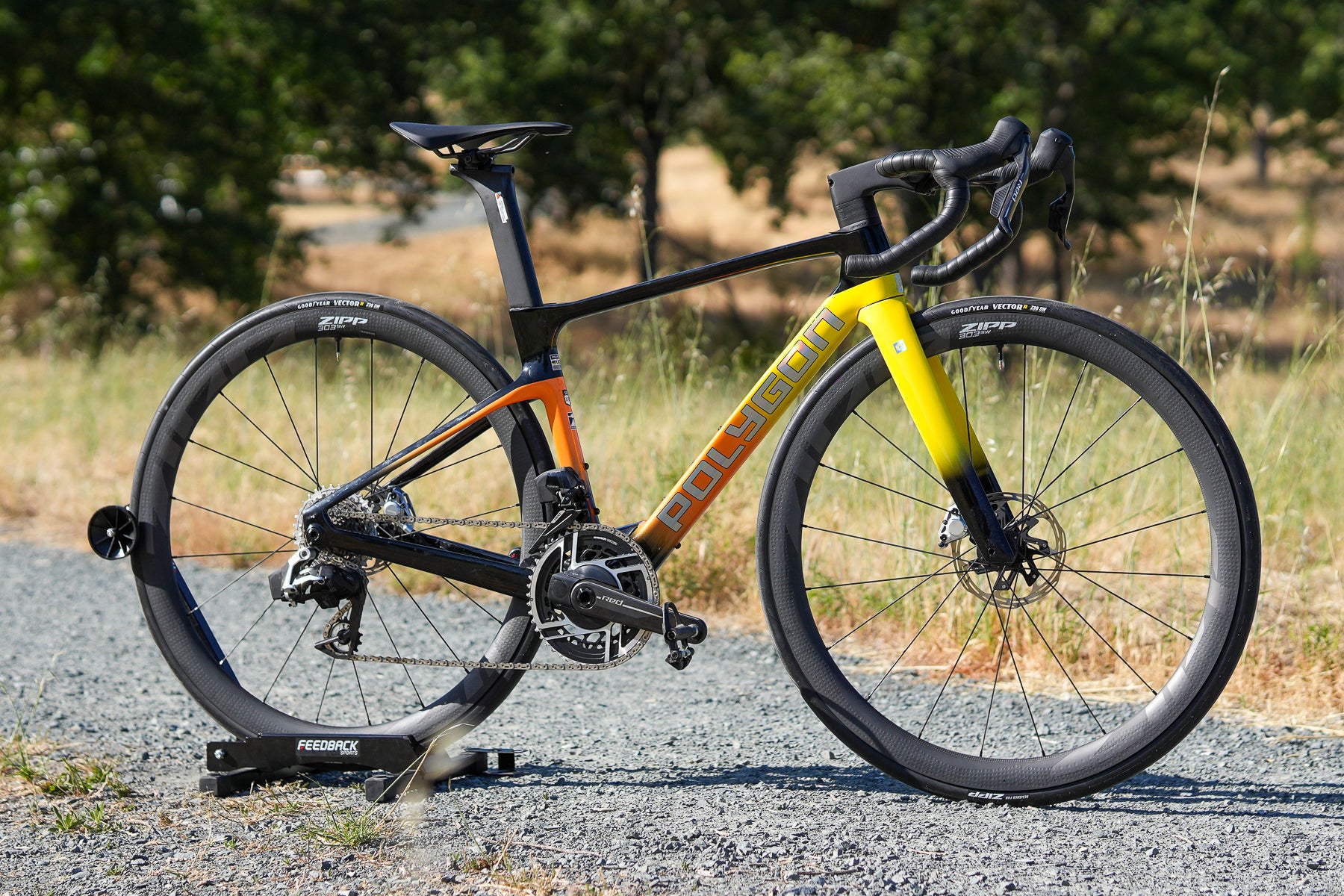
Searching for an attainably-priced aero road bike can sometimes feel fruitless, particularly amongst the big players in the bike industry. There are a few exceptions out there, however, with the newly updated Polygon Helios A a prime example.
The last generation Helios A brought a lot to the table for the bargain hunters out there: an aero (looking) frame with a complete electronic Shimano Di2 drivetrain, carbon wheels, and looks that felt entirely contemporary.
As for this new generation of Helios A? Polygon says it is doubling down on that formula. It keeps the aero-focused frame and adds more tire clearance, a threaded bottom bracket, and other quality-of-life features that Polygon says should offer “the ability to effortlessly transform from a race machine to an endurance cruiser.”
Here’s what we know about the bike so far from our first ride.
Quick hits: Six things to know about the Polygon Helios A
- The Polygon Helios A is the brand’s aero road bike
- Frame is a claimed 150 grams lighter than the previous generation Helios A
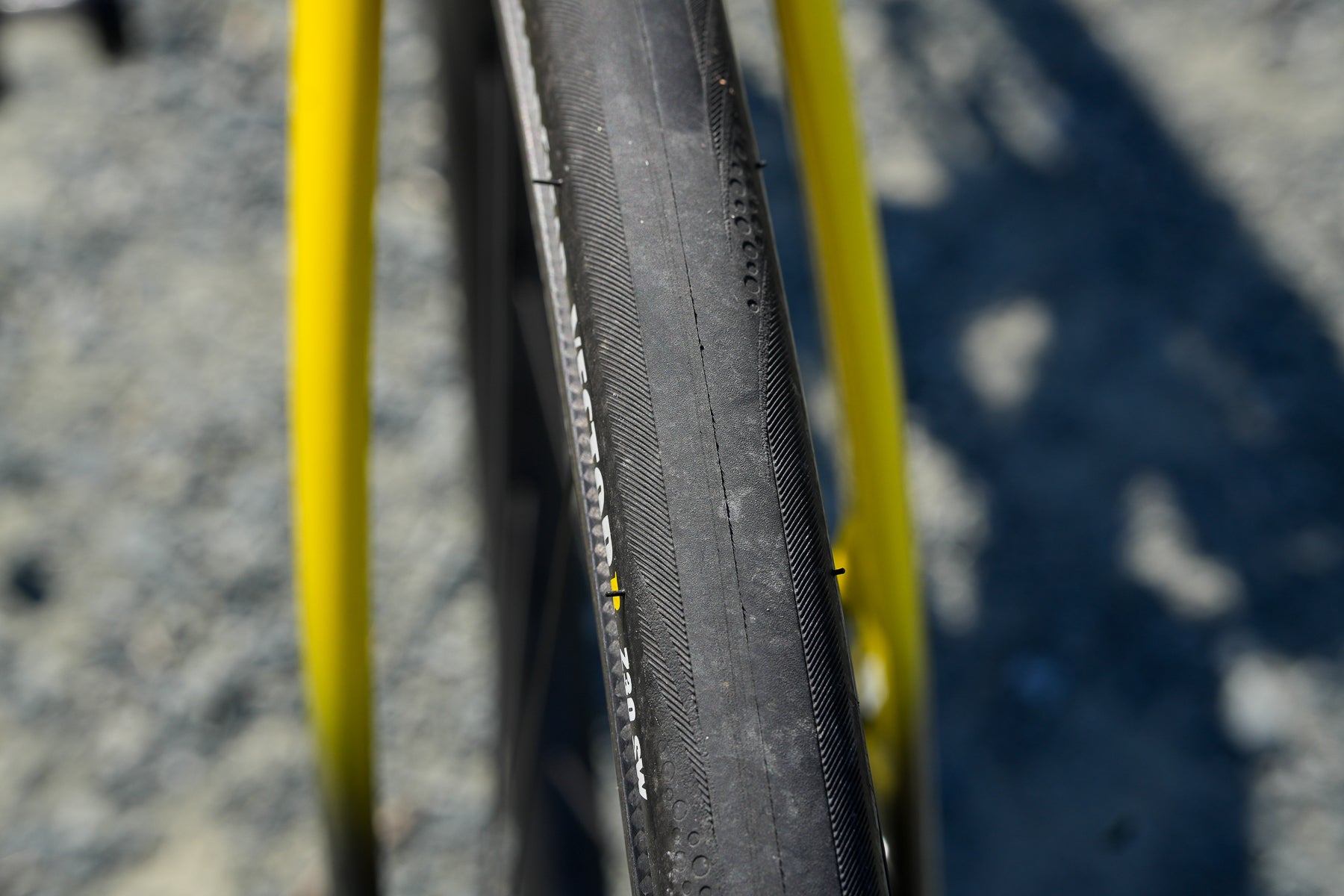
- Max tire clearance: 700c x 34 mm
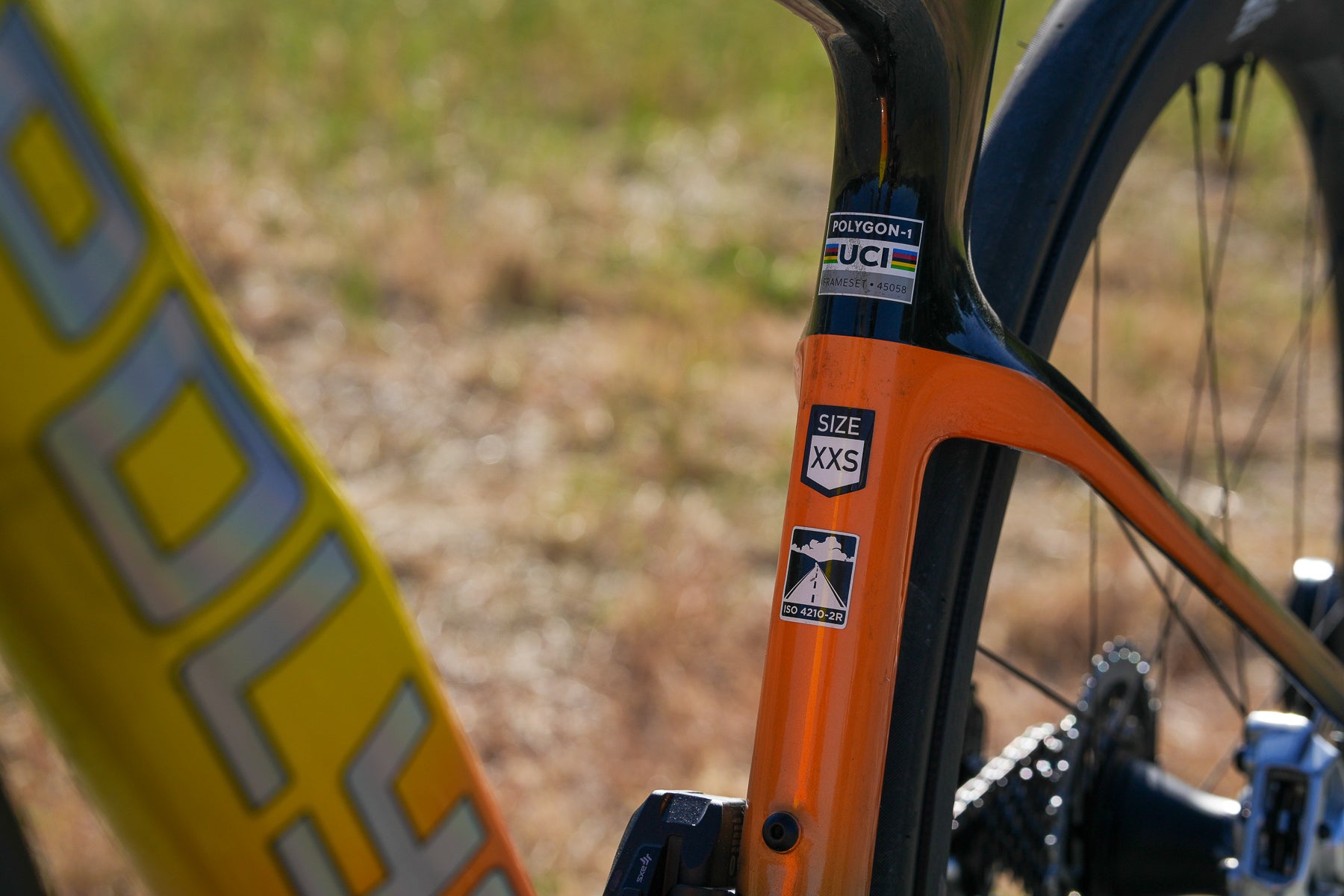
- Sizing: Seven Sizes (XXXS – XL)
- Pricing: Starting at $3999 (Helios A7 105 Di2)
- For more: polygonbikes.com
Build details
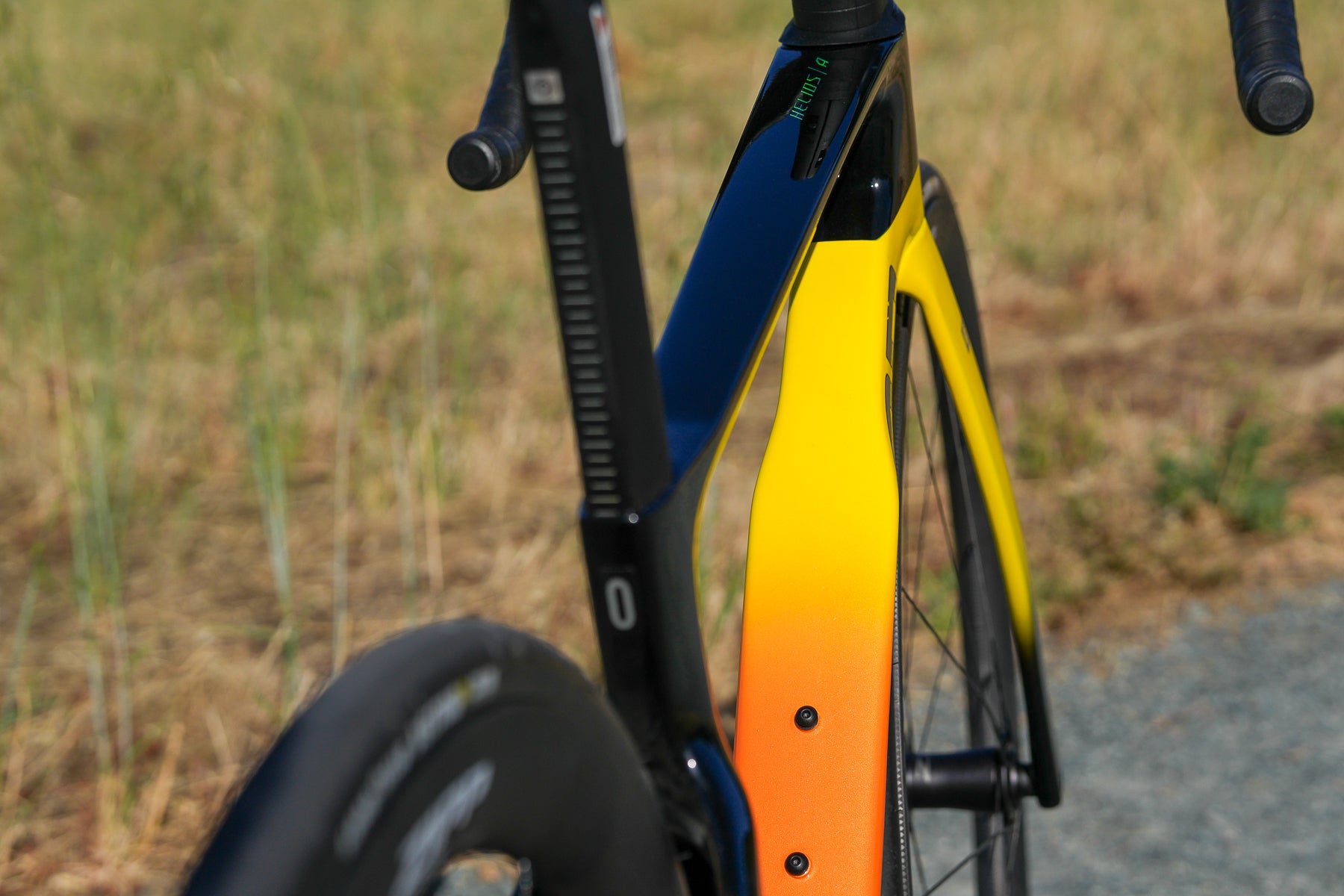
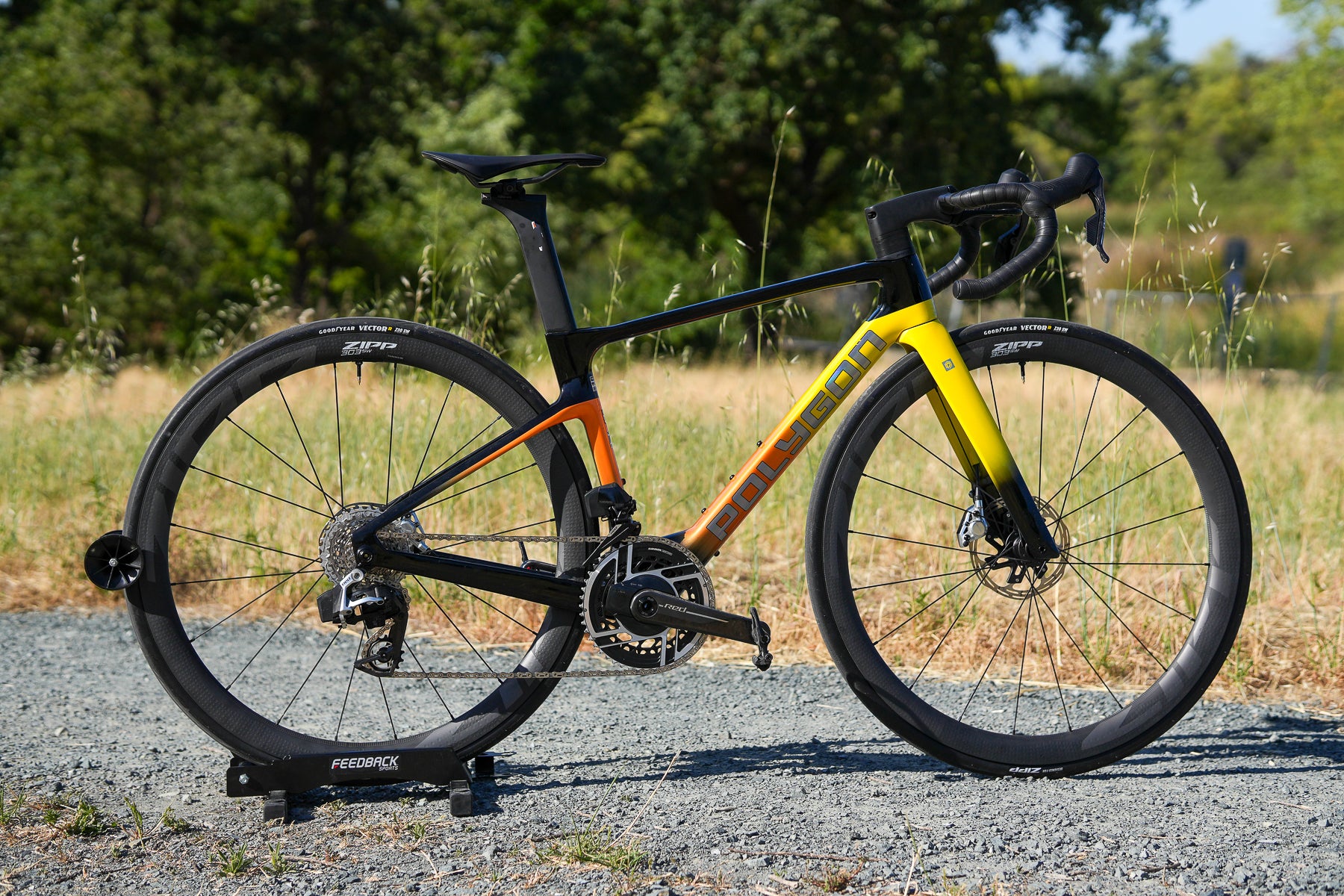
A quick look at the new Helios shows the frame is slimmer than before, making it look more like the all-around race bikes out there, like the Specialized Tarmac, Cannondale Supersix Evo, and Trek Madone. However, Polygon says its new bike still “effortlessly slices through the wind.”
While there aren’t claims around improved aerodynamics, Polygon says the new Helios frame is 150 grams lighter than the previous generation bike. Considering that Polygon claims the outgoing Helios frame weighed just 800 grams, we’ll have to confirm just how light the bike is.
Further, it says its fork is one of the lightest in the industry, at just 300 grams uncut. According to Polygon, that should make a size small Polygon Helios A0 (with SRAM Red AXS) weigh in at 7.2 kg (16.1 pounds).
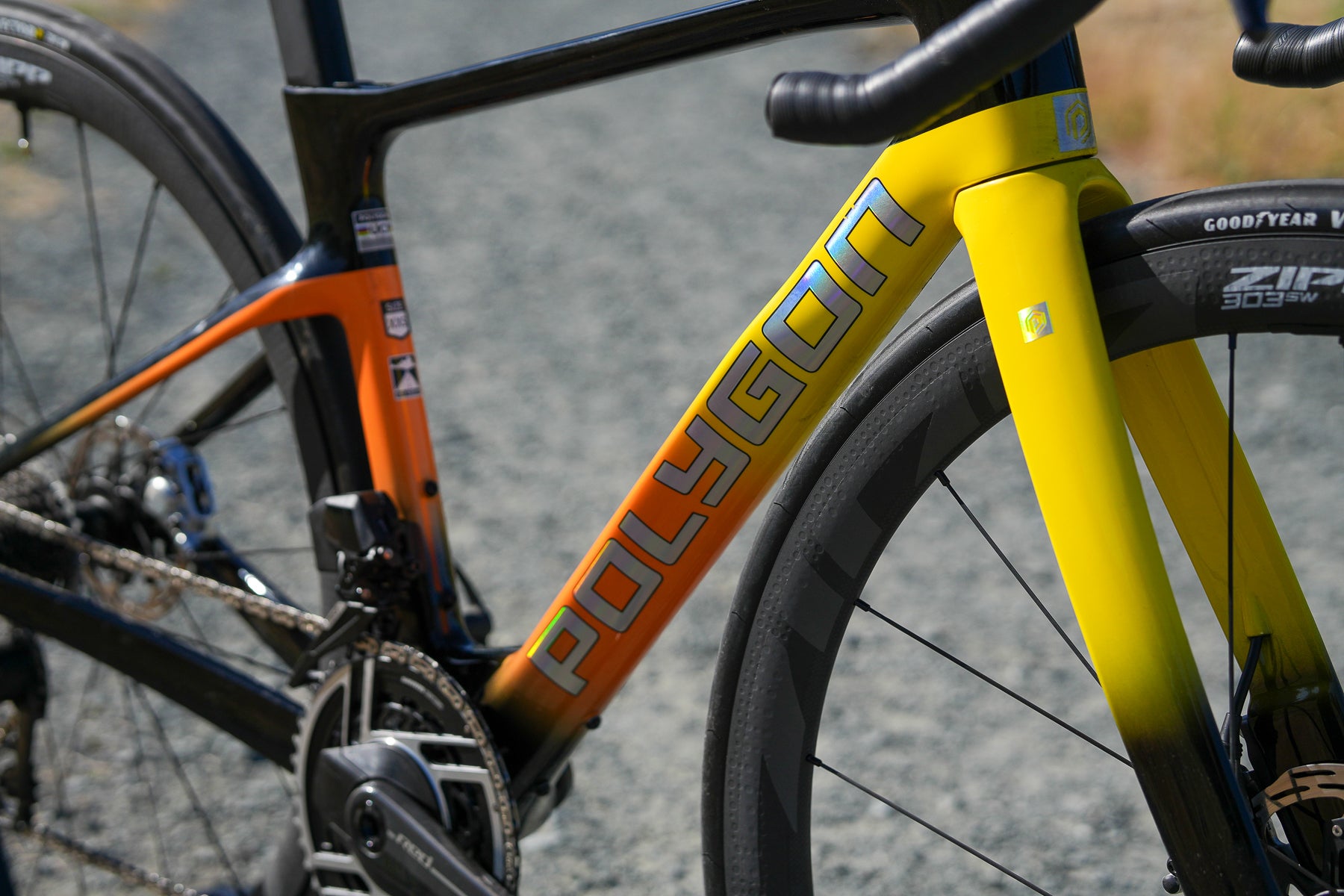
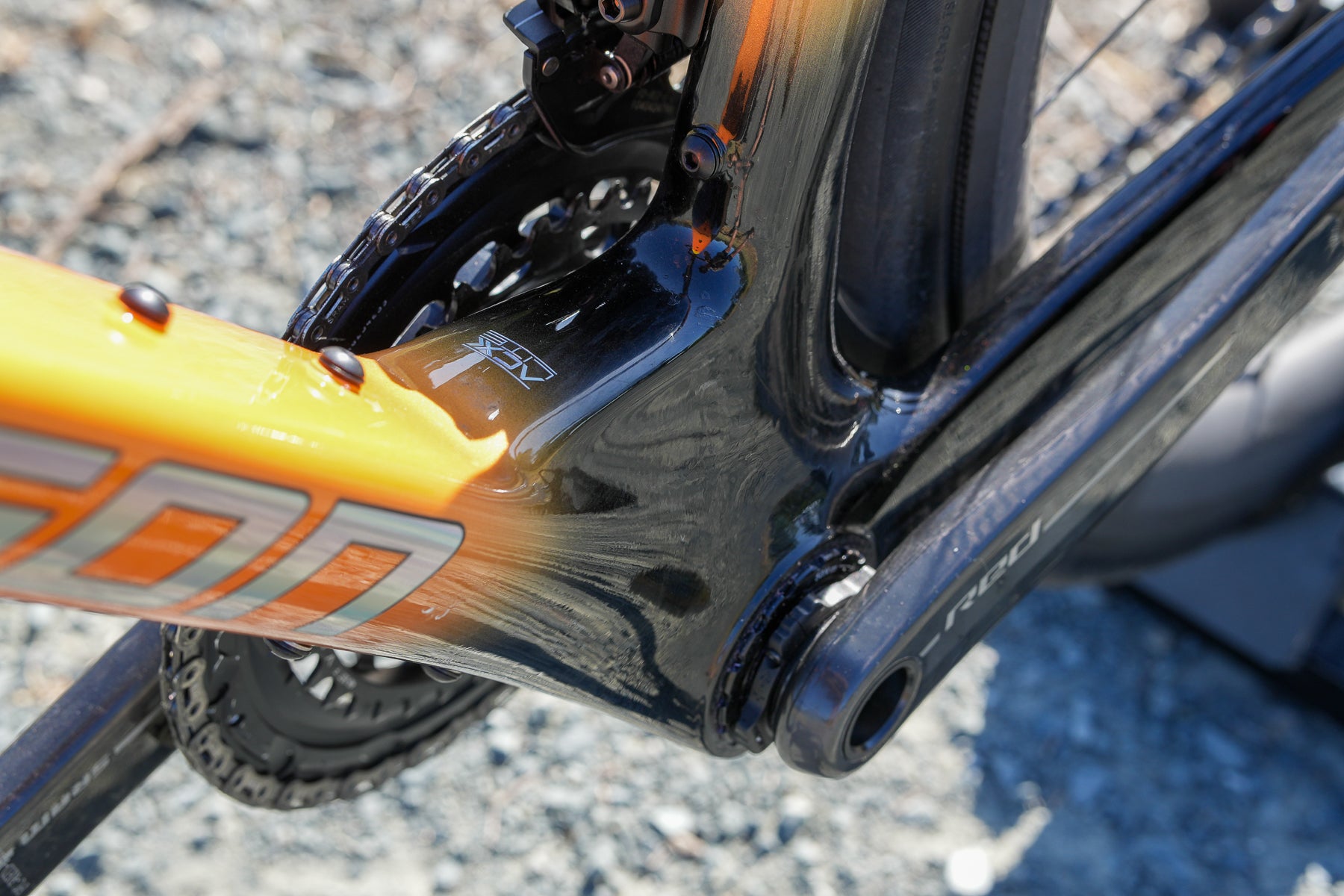
Despite the weight loss, Polygon says it has increased stiffness around the head tube, bracket, and drive side chain stay, all in the name of increased speed.
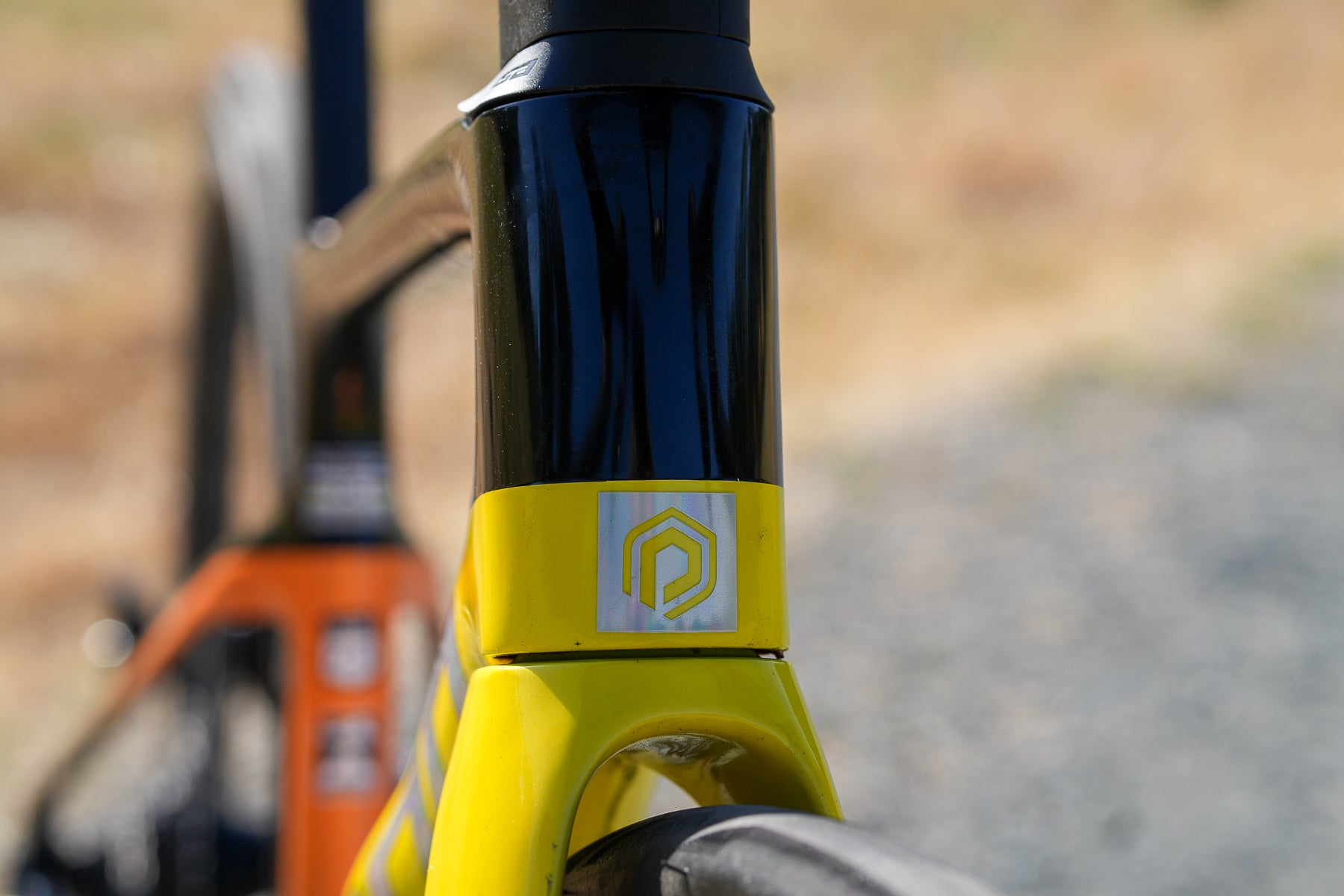
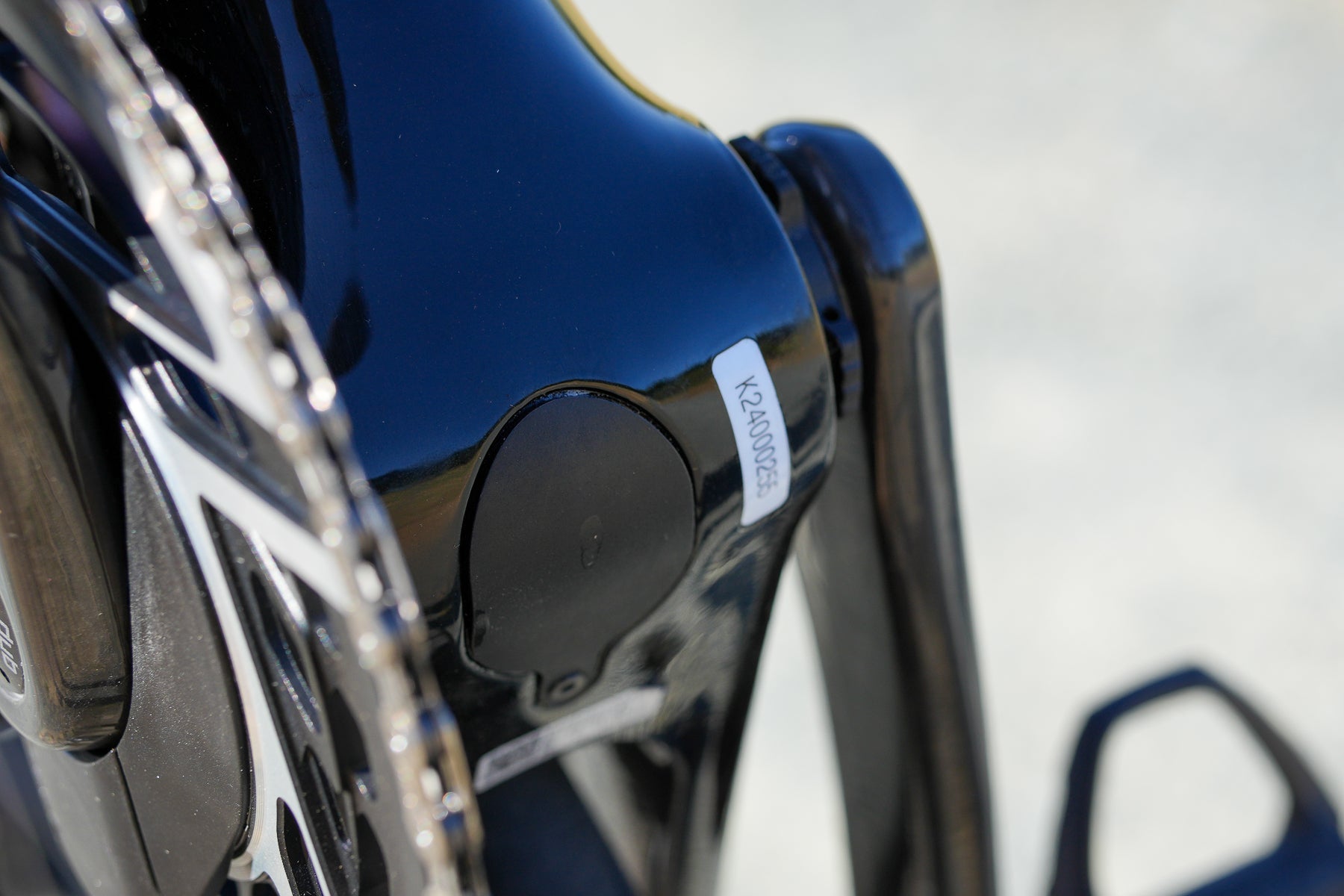
Most of the changes to the Helios seem to be focused on quality-of-life improvements. Polygon says it has moved from a PF86 press fit bottom bracket to a T47 threaded option. Tire clearance is a claimed 700c x 34 mm. But Polygon has also worked to move the Di2 battery location to near the bottom bracket, though it isn’t immediately clear whether that comes with a hatch to remove the battery without needing to remove the cranks.
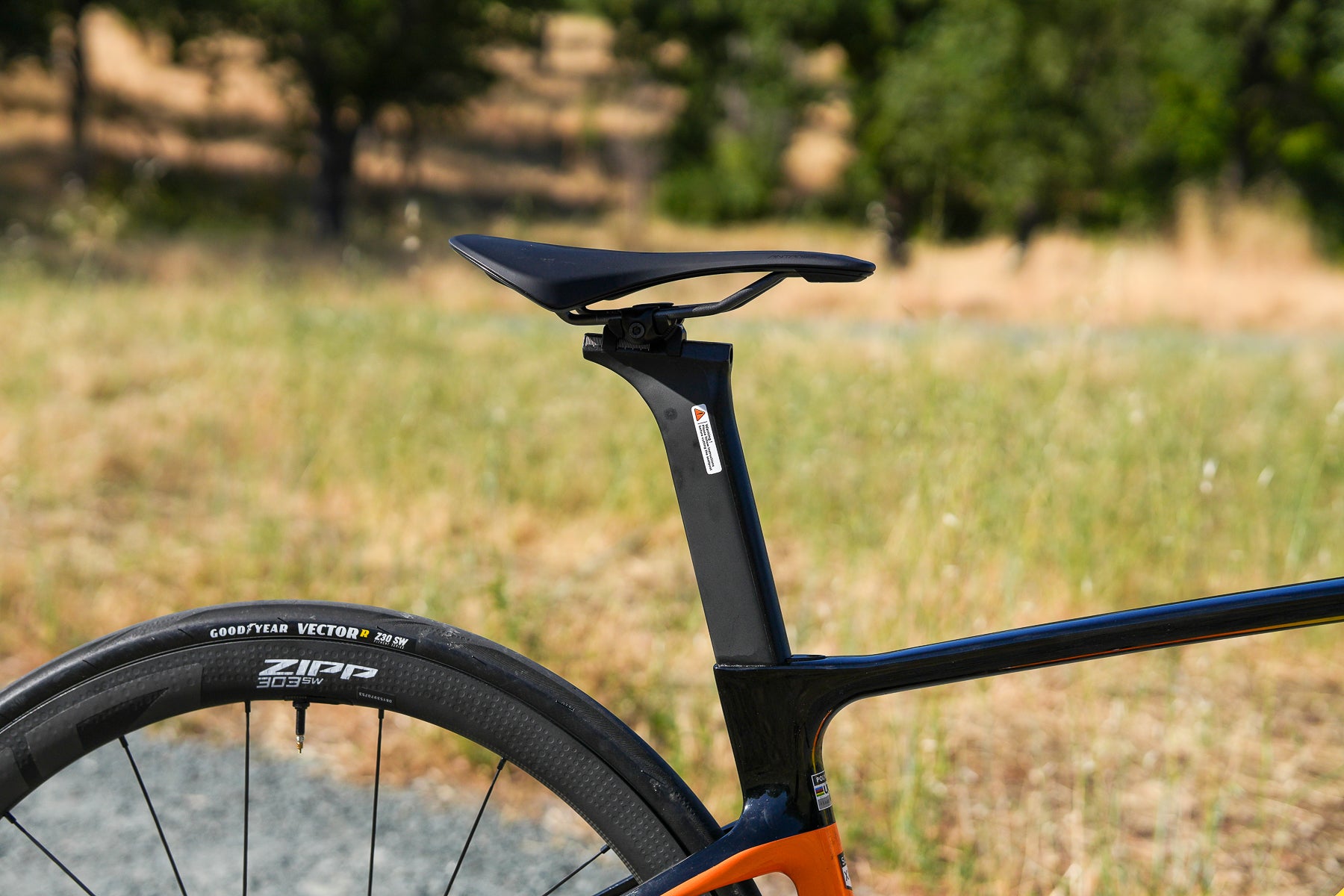
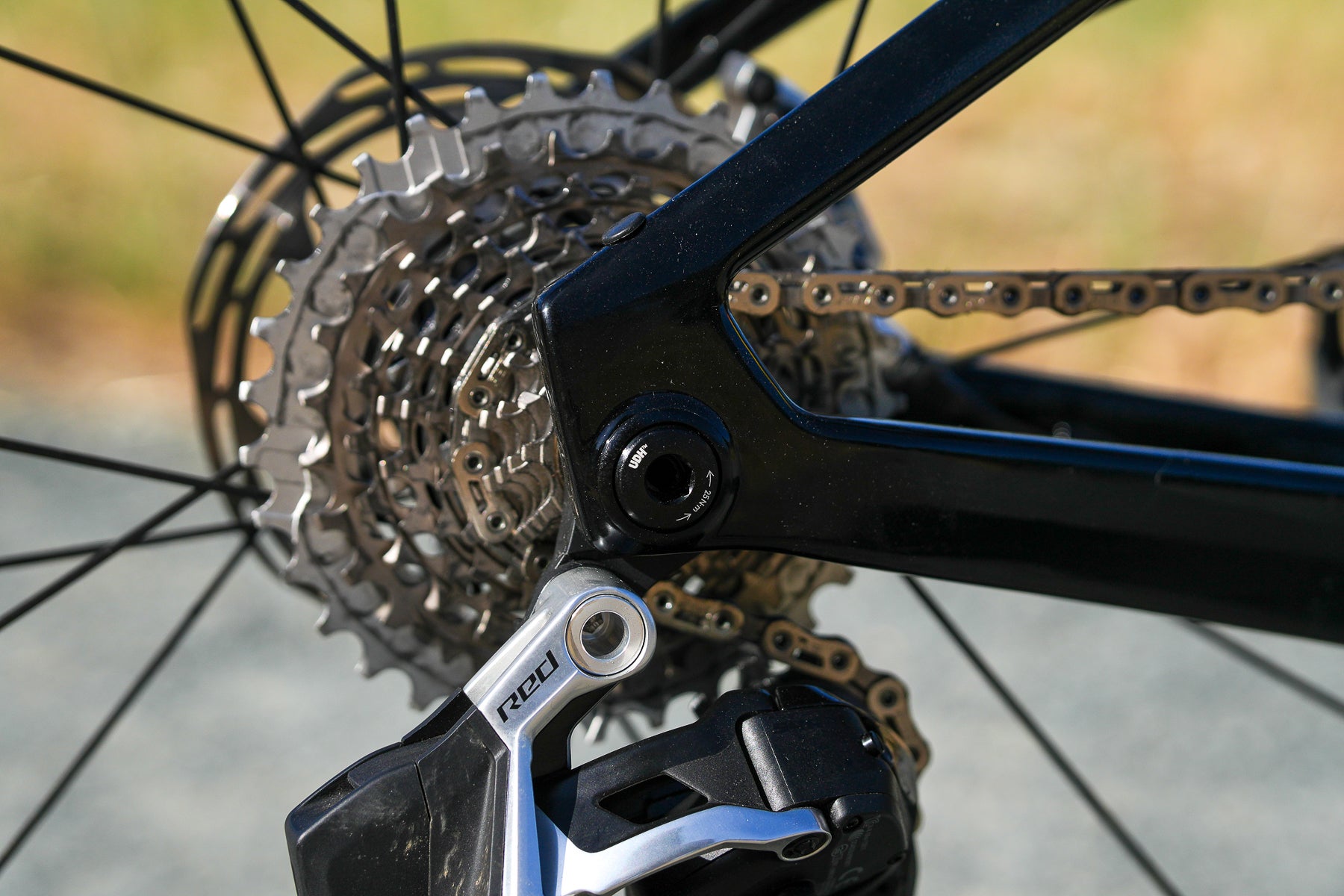
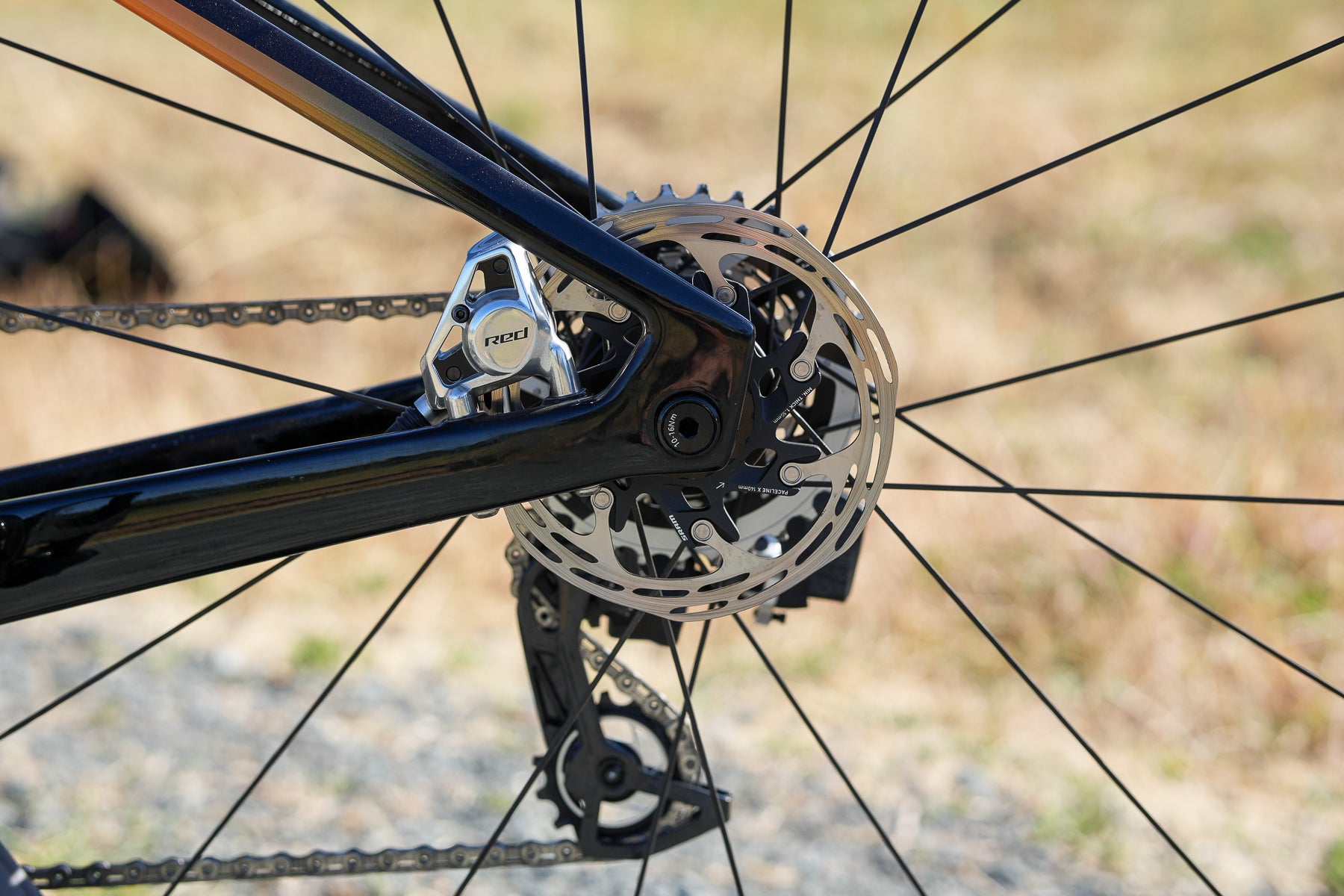
There are other quality-of-life changes, too. Every Helios A now gets a SRAM UDH (Universal Derailleur Hanger) that should make finding a replacement derailleur easier. There’s the increased tire clearance, too. But the most interesting choice is that Polygon has made the Helios A compatible with both the proprietary aero seat post as well as a standard round seat post. I’ve never seen that before, certainly not on a road bike.
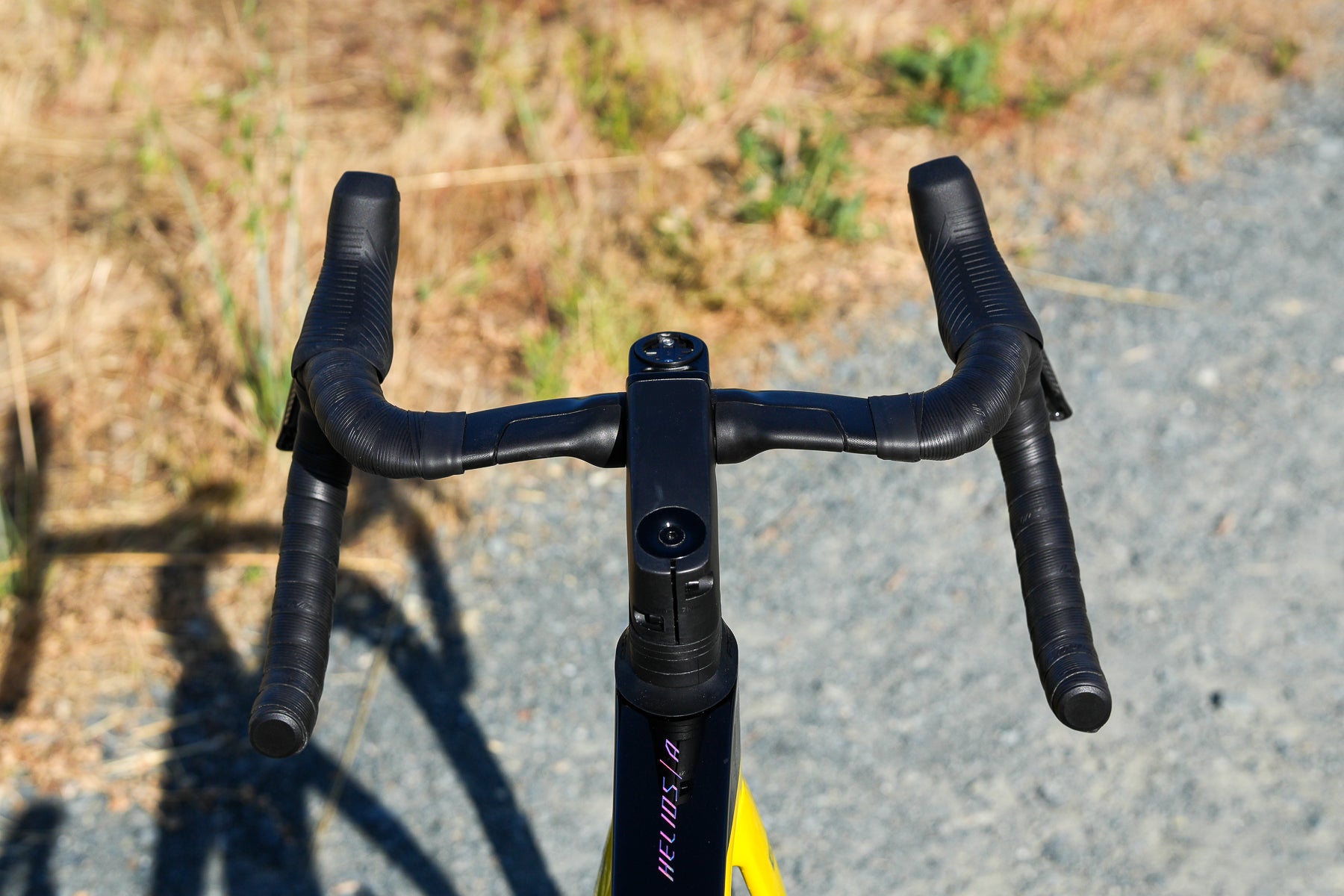
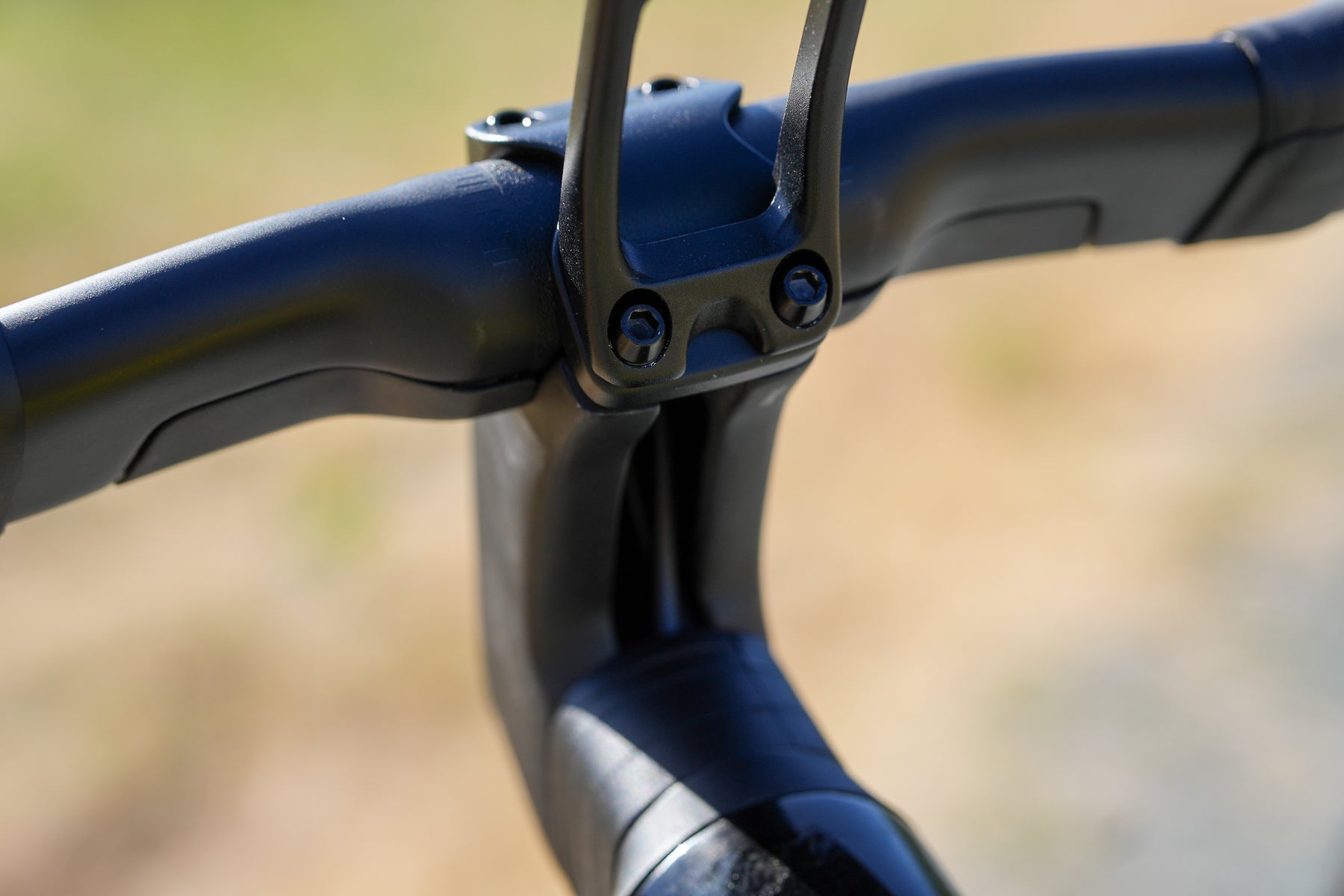
Polygon says it’s also ditched the one-piece handlebar and stem, all in the name of making maintenance and customization a simpler affair.
All of this feels too good to be true, but we were quite impressed by our time on the Helios A. The price felt too good to be true, but it legitimately felt like a road bike one could happily ride into the future. Does the new bike live up to the hype? Yes, for the most part.
Geometry
| Frame Size (and rider size) | XXXS (143–153 cm) |
XXS (150–160 cm) |
XS (157–167 cm) |
S (164–174 cm) |
M (171–181 cm) |
L (178–188 cm) |
XL (185–195 cm) |
| Seat Tube Length | 395 | 420 | 457 | 489 | 499 | 518 | 536 |
| Seat Tube Angle (degrees) | 75 | 75 | 74 | 74 | 74 | 73 | 73 |
| Head Tube Length | 90 | 100 | 110 | 120 | 130 | 150 | 170 |
| Head Tube Angle (degrees) | 71 | 71 | 72 | 72 | 73 | 73 | 73 |
| Effective Top Tube | 502 | 513 | 529 | 540 | 556 | 570 | 598 |
| BB Height | 78 | 78 | 76 | 73 | 73 | 72 | 72 |
| Chainstay Length | 410 | 410 | 410 | 410 | 410 | 410 | 410 |
| Wheelbase | 969 | 976 | 988 | 985 | 996 | 1005 | 1024 |
| Frame Reach | 370 | 375 | 385 | 390 | 400 | 405 | 420 |
| Frame Stack | 493 | 503 | 511 | 523 | 533 | 551 | 571 |
Polygon’s sizing of its road bikes has always been … aggressive. A size M road bike comes with a long 400 mm. Meanwhile, stack heights have also been quite aggressive, with a 533 mm stack height to match. That’s a good 30 mm lower than an equivalent 56 cm Specialized Tarmac SL8 with a similar reach number.
Elsewhere, you’re getting similarly aggressive fit geometry. Seat angles are as steep as 75 degrees, while the adjustable offset seat post clamp means riders can get on top of the bottom bracket if they need to.
As far as handling geometry is concerned, the Helios A gets bottom bracket drops ranging from 78 mm to 72 mm, all with 410 mm chainstays across the sizes, quite short for a modern road bike.
In short, if you’re looking at picking one of these bikes up, be sure to check the reach measurements ahead of time, because the Helios A fit geometry is both longer and lower than most road bikes.
Builds, specs, and pricing
| Build | Drivetrain | Wheelset | Price ($) |
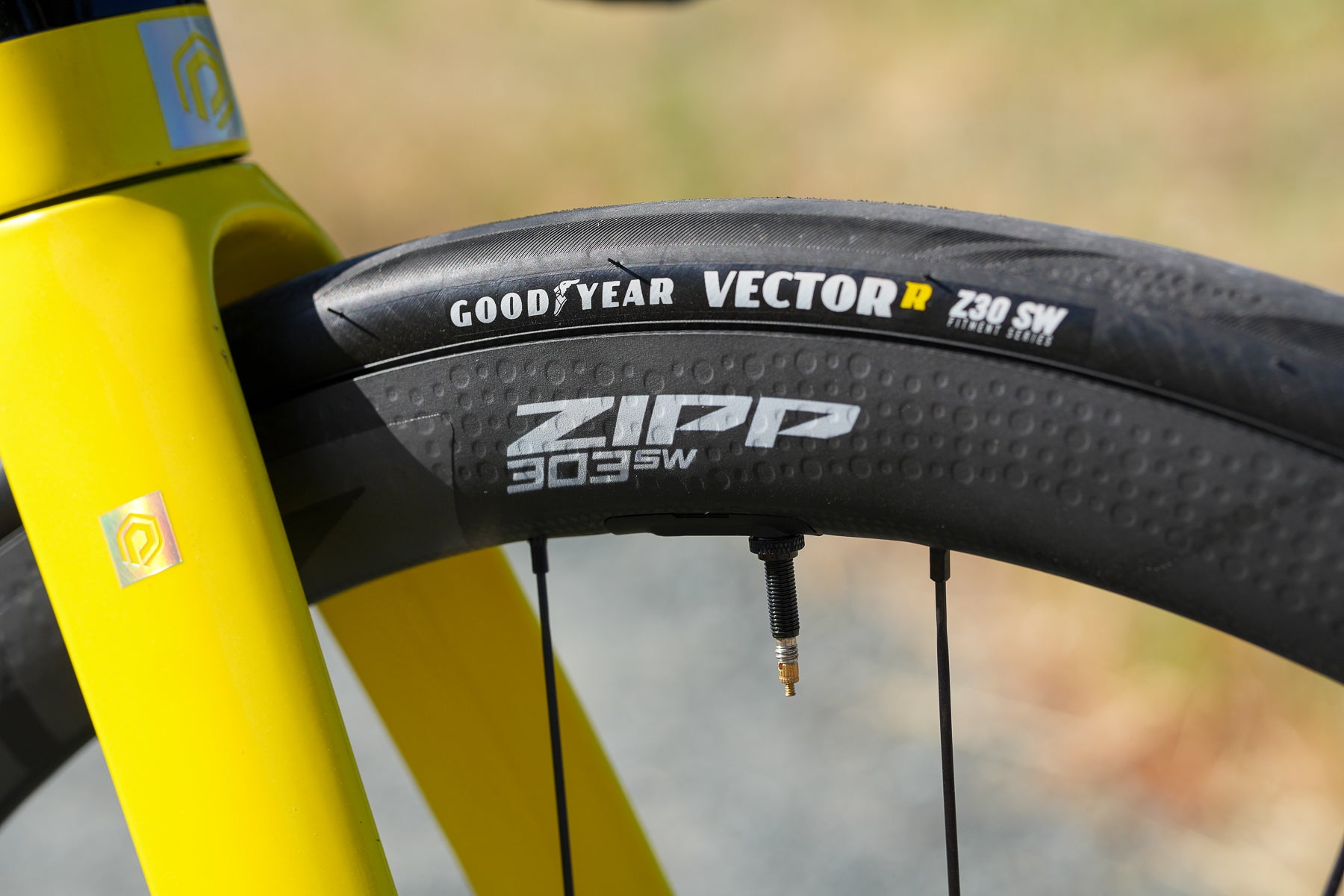
| Polygon Helios A0 AXS | SRAM Red AXS | ZIPP 303 SW | $8999 |
| Polygon Helios A9 Di2 (with powermeter) | Shimano Dura-Ace Di2 | LINC ALPHA CARBON DISC | $6999 |
| Polygon Helios A8 Di2 (with powermeter) | Shimano Ultegra Di2 | LINC BETA CARBON DISC | $5399 |
| Polygon Helios A8 Di2 | Shimano Ultegra Di2 | LINC BETA CARBON DISC | $4699 |
| Polygon Helios A7 Di2 | Shimano 105 Di2 | LINC BETA CARBON DISC | $3999 |
Polygon will offer updated Helios A in a number of builds, ranging from the A7 with Shimano 105 mechanical shifting and all the way up to a choice of SRAM Red AXS or Shimano Dura-Ace Di2 for the Helios A9 Di2 or Helios A0.
All bikes get the same Polygon carbon handlebar and carbon stem, and all get the same frame level and aero seatpost. And besides the A0, Helios get a version of Polygon’s Linc carbon wheels with a 45 mm rim depth.
Pricing for the current Helios A starts at $3,999.99 for the current Polygon Helios A7x with Shimano 105 Di2 and carbon wheels, or the $6,249.99 of the Helios A9X with Shimano Dura-Ace Di2 and Dura-Ace C60 carbon wheels. We’d be surprised if the prices increase much past that, however. That would make the Helios A one of the most attainably priced aero bikes on the market.
Riding the Helios A
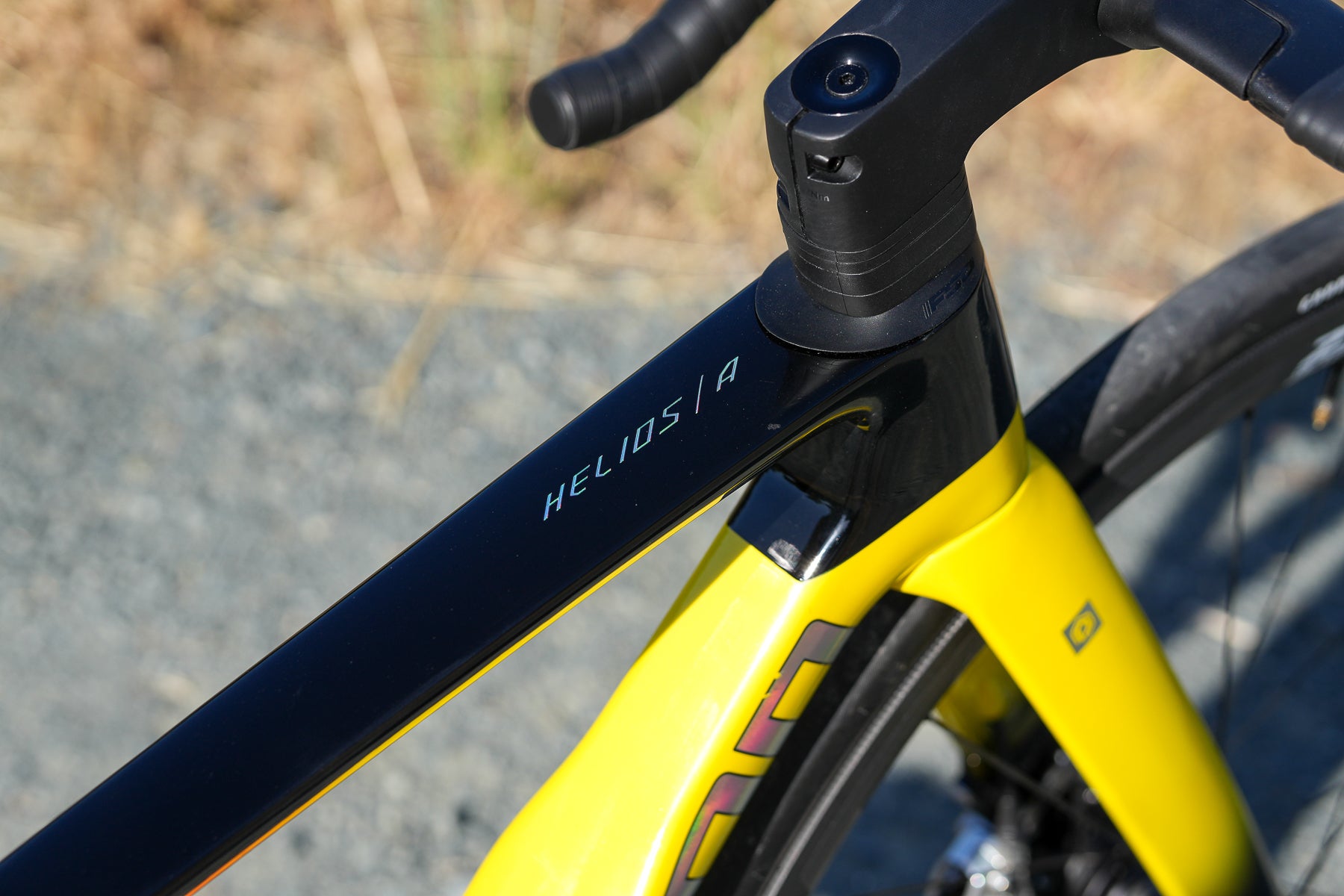
Some bikes in this top-end feel like they surge forward by a high-torque electric motor. Others feel like they glide forward, like a dropped napkin in the wind. Others still feel like they need some momentum before they really get going.
The Polygon Helios A doesn’t seem to fall into any one specific category. I’d say that’s a good thing with this new Helios A.
The Helios A doesn’t have the smooth surge forward of the likes of a Cannondale Supersix Evo, but it still feels plenty light and responsive. A lot of that has to do with the complete build kit, which makes the bike naturally low-weight. It feels it too, with hardly a sense of hesitation as you crank through a spring.
It’s a good enough climber in this size XXS position, thanks partially to that steep seat tube angle and longer reach. Sizes S and below also get 165 mm cranks, encouraging a bit more spinning up a climb than one might expect.
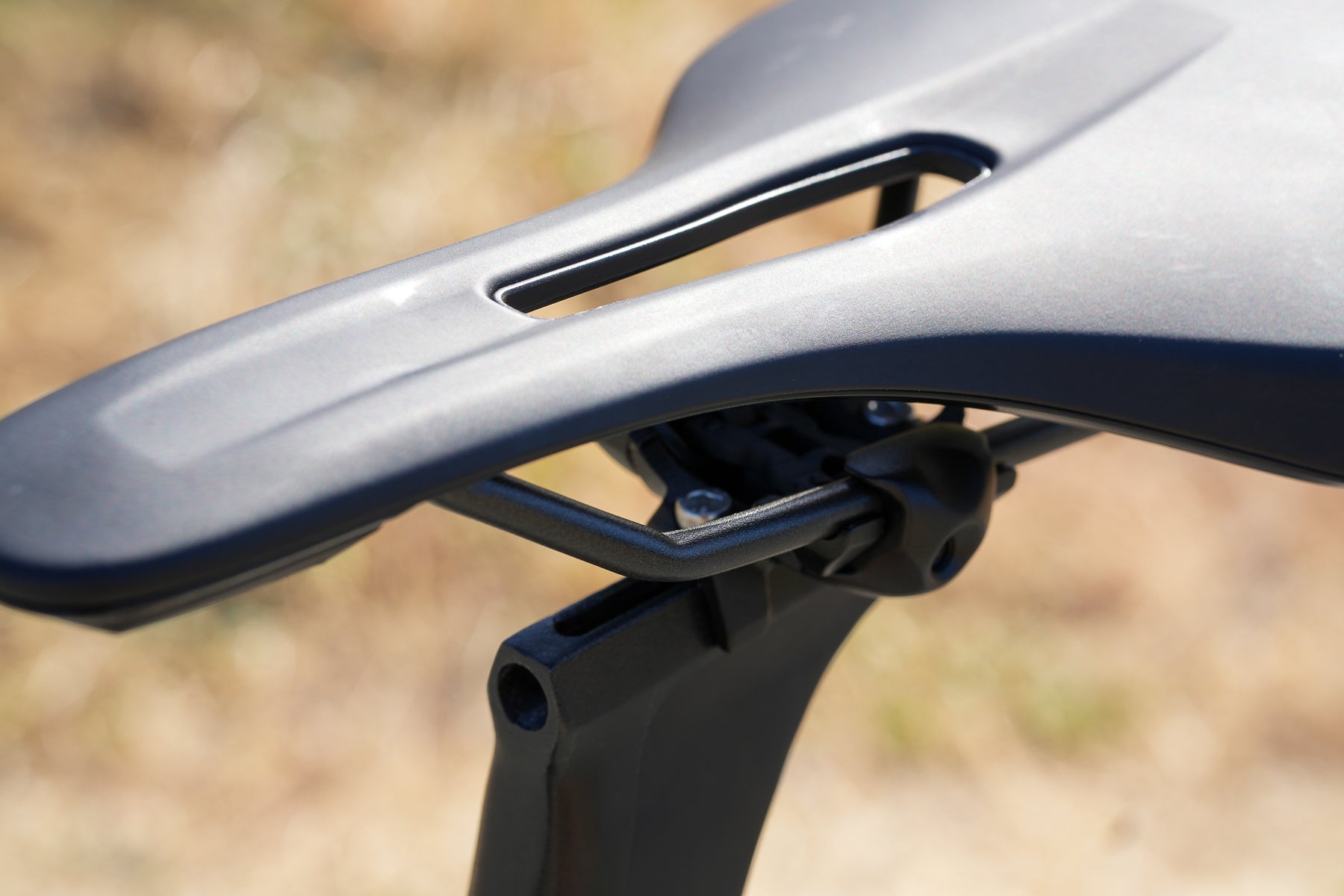
I think the Helios A is at its best on flat roads, however. Set the seat post up in its zero setback configuration, and the bike naturally places you in an aggressive, forward position. The bars also feel like they have quite a bit of reach, too, further encouraging that forward, aggressive position. Tuck into a bit of a road bike TT position and the bike just hums along as well as any road bike I’ve ridden in recent memory.
Okay, so it’s great on the flats. It’s a good climber too, with plenty of stiffness to point the bike into a tight apex without much issue. Done deal right? Not quite.
At least in my Size XXS, I found the Helios A to have a firm ride. I’m sure part of it has to do with the sheer compactness of the frame, but the adjustable-setback seat post is doing the bike no favors, either. I suspect a round seat post would smooth out the ride out back a bit, but as it stands, I think the Helios A lacks the overall ride smoothness of a Cannondale SuperSix Evo, Orbea Orca, Allied Alfa.
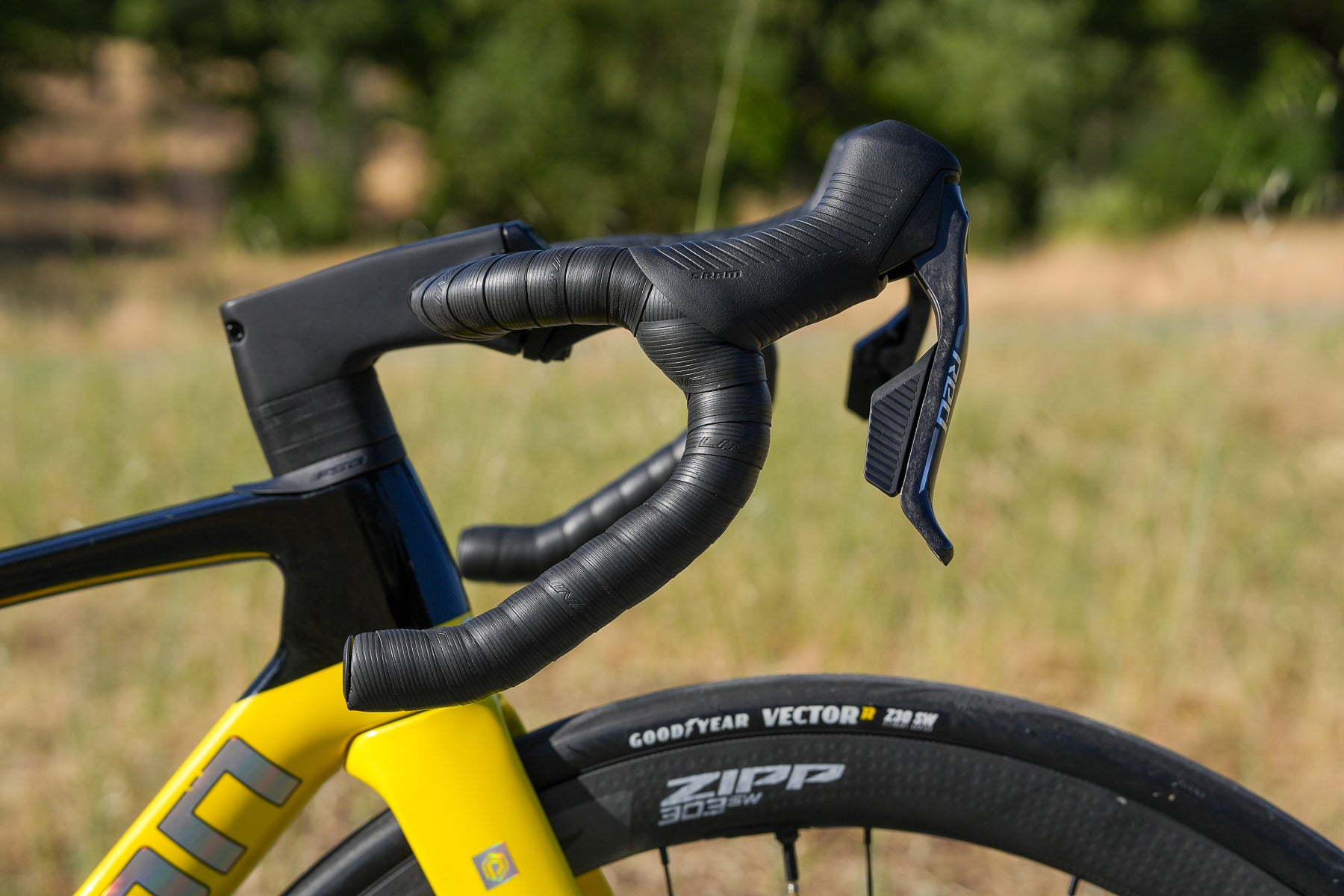
I’ve already discussed how aggressive Polygon’s fit geometry is across the sizes, but that needs to be brought up again. At 5’6” (168 cm), I found that the smallest size XXS bike was about the right fit with about 20 mm spacers under the stem. If you’re smaller, however, I think you’ll have a much more difficult time fitting the Helios A properly, even with the two-piece handlebar and stem that’s available across the sizes.
There is room in the bike world for bikes with aggressive fits. But please, Polygon, make sure there are options for shorter riders who don’t want to position themselves like Superman on the bike.
The rest of the bike
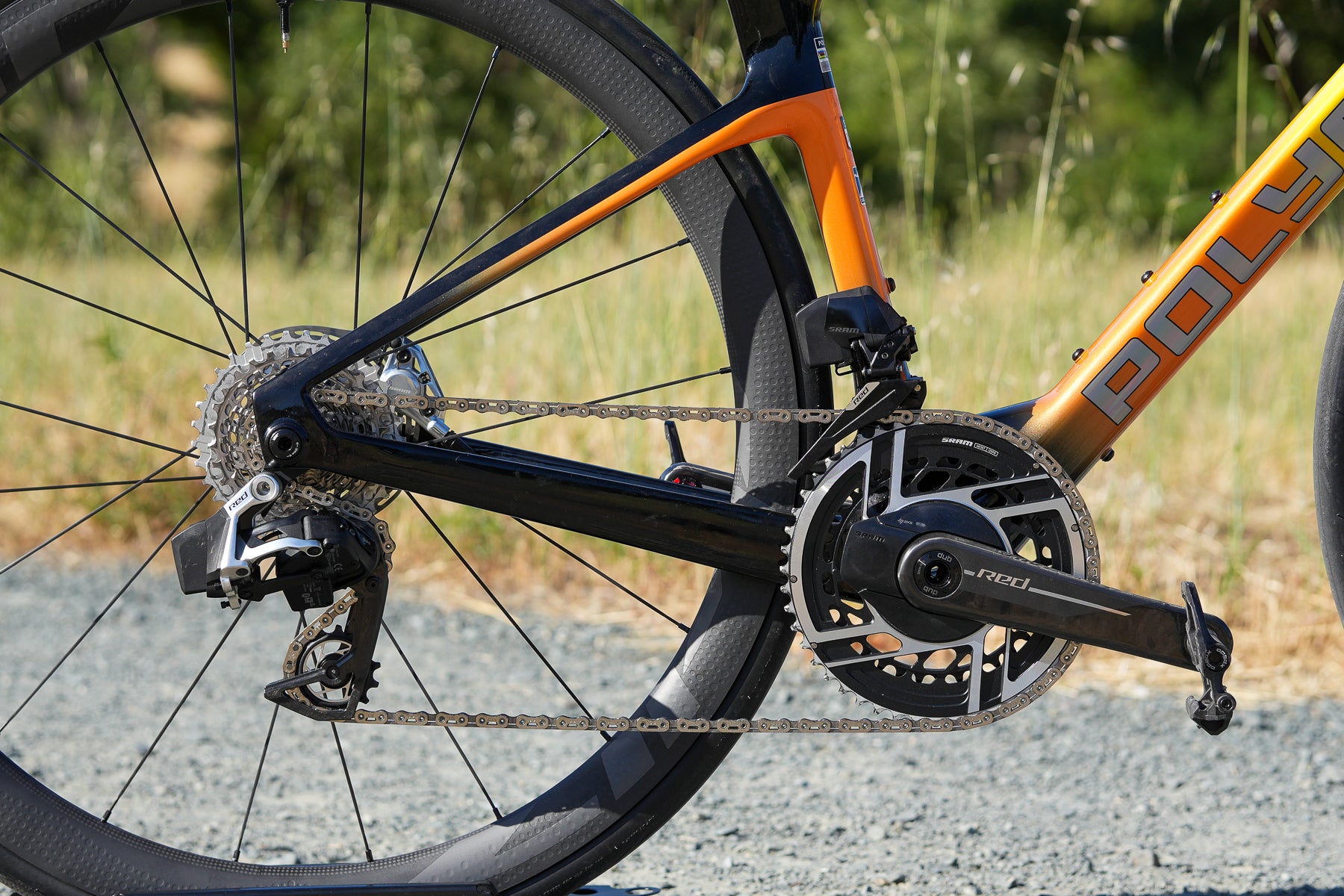
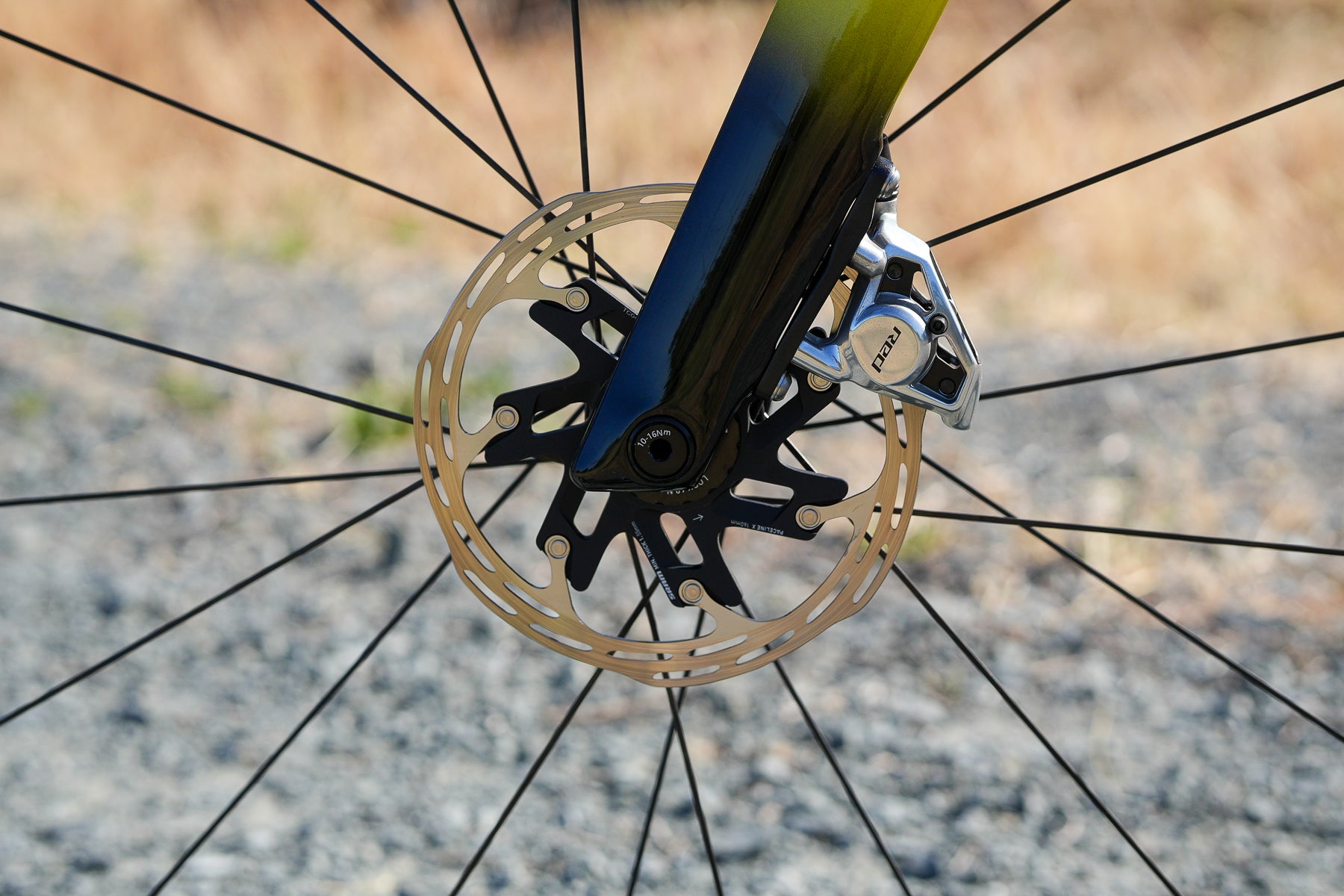
SRAM Red AXS, as on other bikes, is excellent here. Shifts are quick, the gearing feels right, and the brakes are perhaps the most controllable out of the box of any road bike in the industry. And while the long hoods of SRAM Red AXS only make the bike feel longer, I think the ergonomics are some of the best you can find, as well.
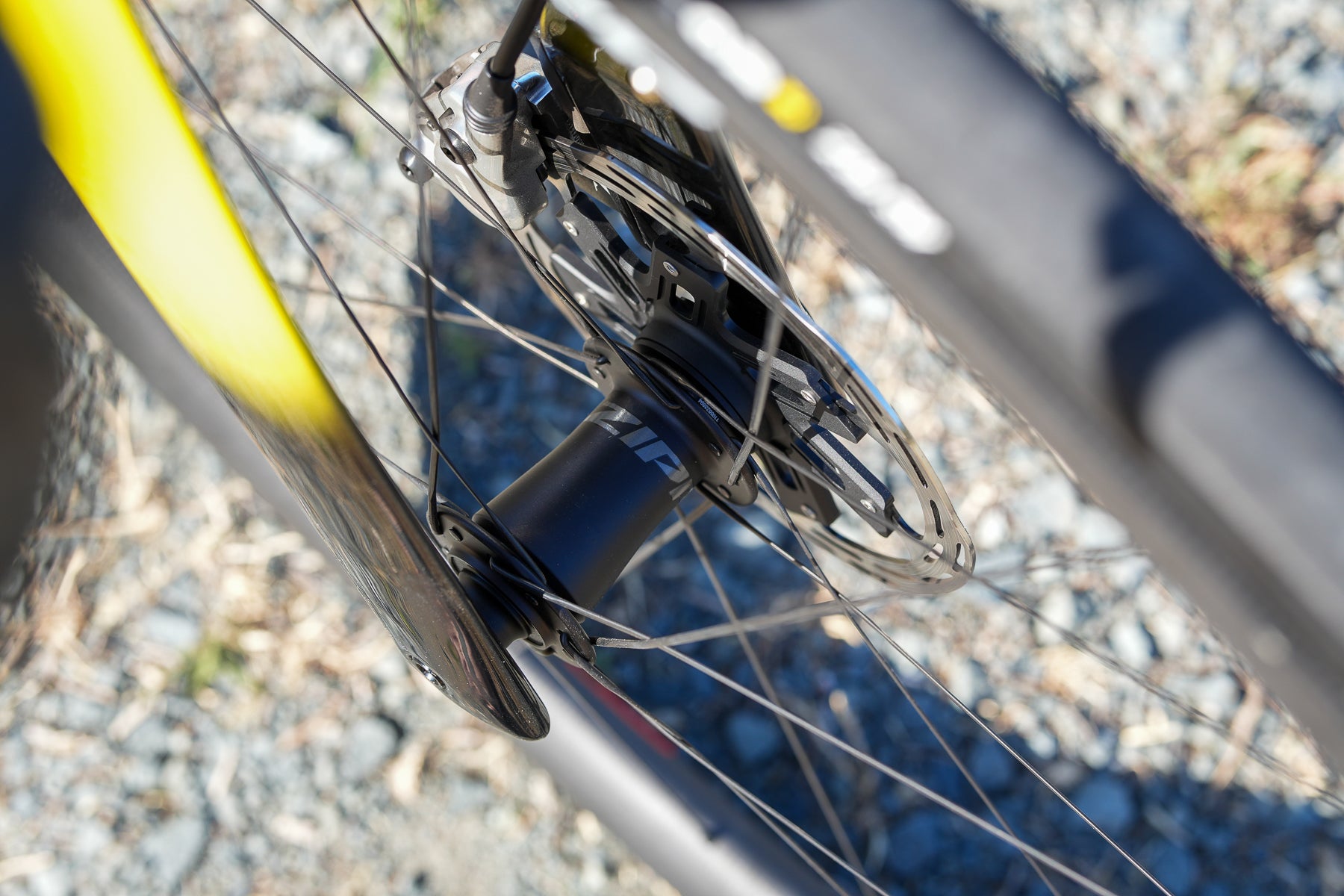
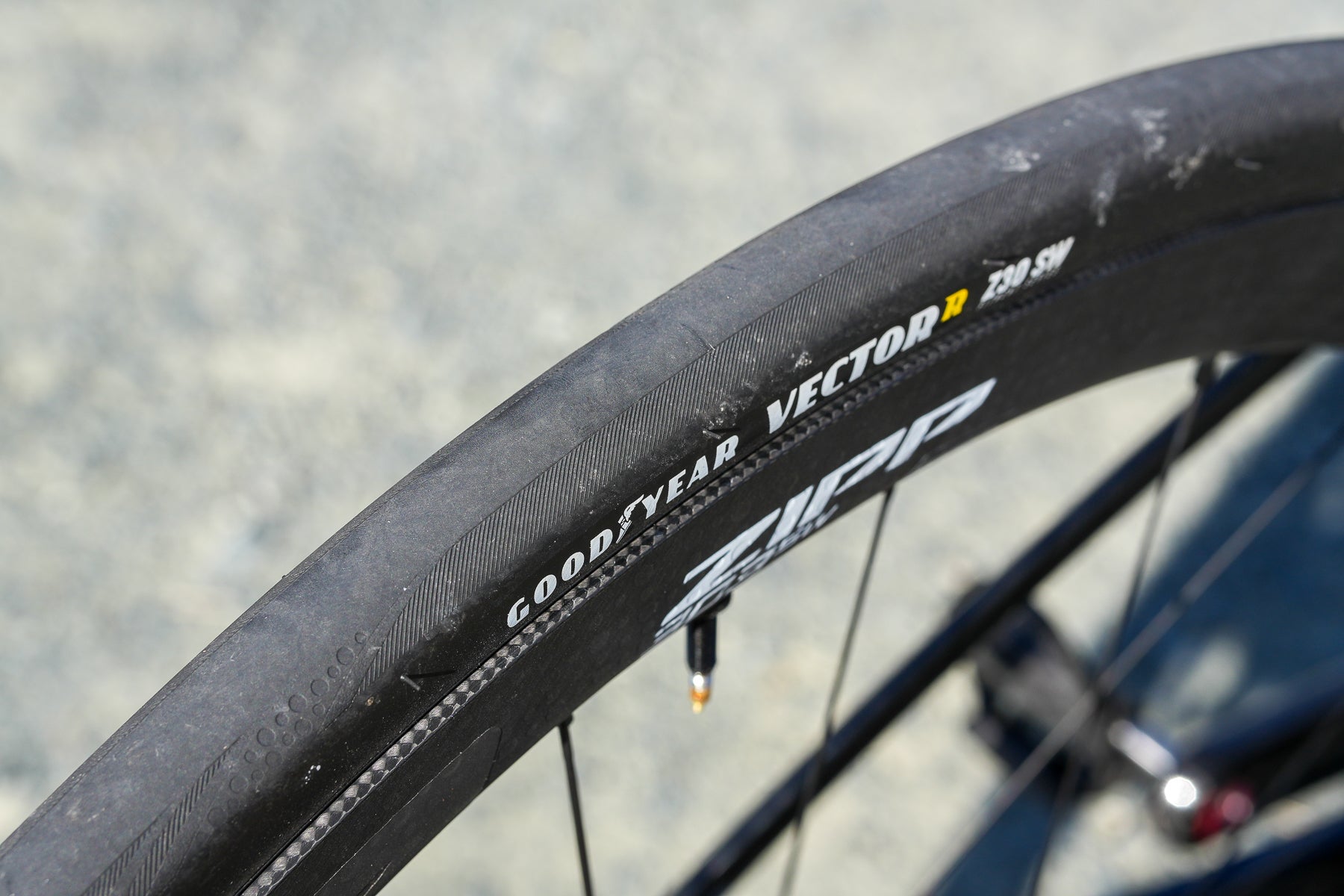
The recently launched Zipp 303 SW wheels came with a built-in Zipp AXS tire sensor. I’ll leave the analysis to our review here, but I will say I wasn’t able to get the front Zipp AXS Wheel Sensor to work. No number of new coin cell batteries, swapping systems front to back, or anything like that made it work. It’s not like a non-working sensor makes or breaks my ride, anyway.
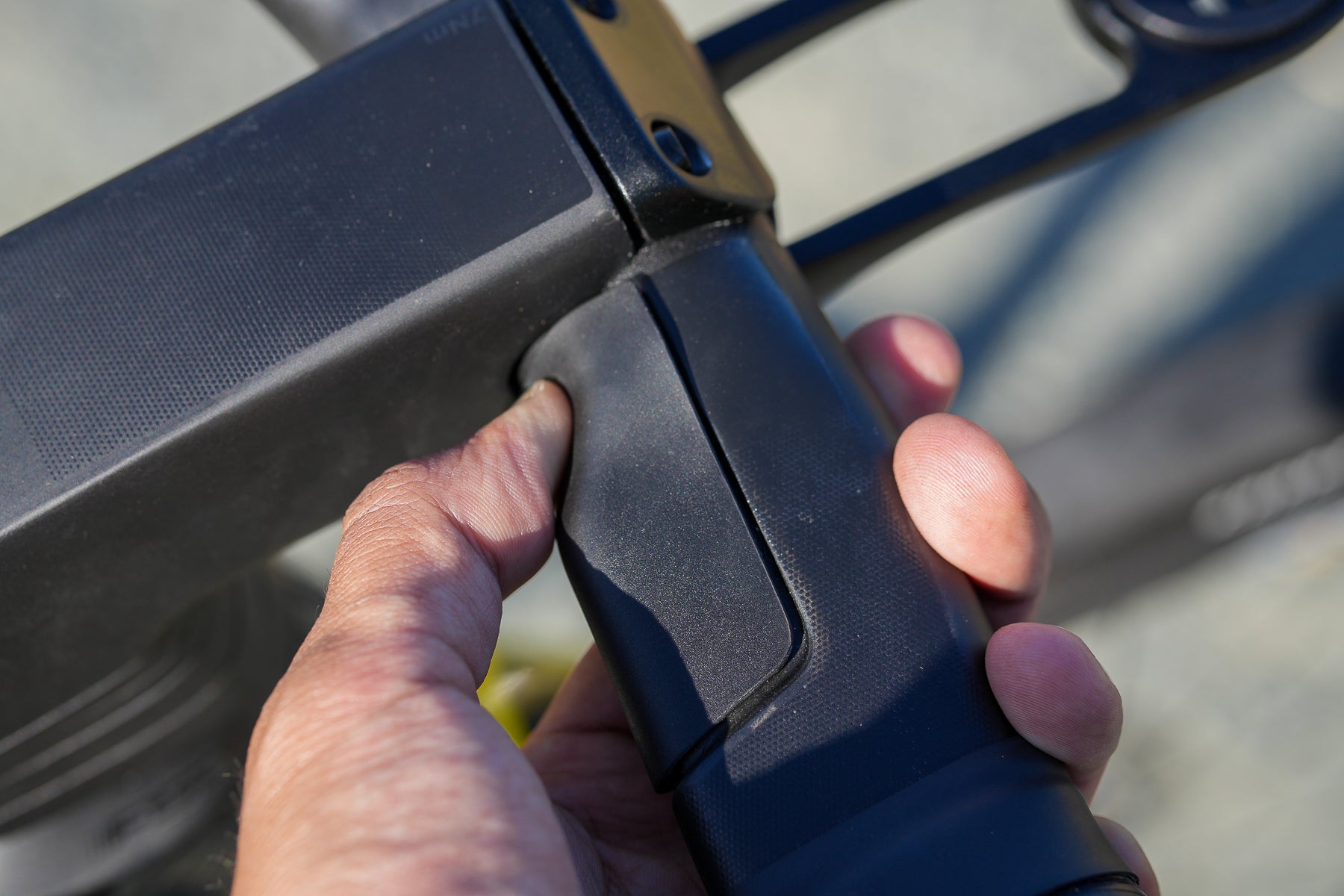
The Polygon handlebar and stem combination appeals to the mind. It doesn’t quite appeal to the heart, however. The bars are comfortable on the tops, with plenty of reach to let you move around. Even the drop bar bend worked better than I anticipated. But in the pursuit of an integrated look, the Helios has this semi-rubberized adhesive cover that hides the brake hoses.
Just like the seat post, this adhesive cover doesn’t do anything to functionally make the bike less good. But it adds some complexity where I’m not sure the bike quite needed it.
Is the Helios A worth considering?
I thought the previous generation Polygon Helios was quite good, and certainly better than its price point suggested. The value for money seemed to diminish as you spent more money on it, but in a 105 Di2 or Ultegra configuration, the Helios A was hard to beat for the money.
Obviously I haven’t had the chance to ride a lesser-spec variation of the Helios A, but I can’t help but feel the same way about this bike. The Polygon Helios A is a good bike with this SRAM Red AXS build kit, but the $8999 price point gives me pause. I’m much more drawn to the lesser build kits that are thousands of dollars less expensive.
Were it my money, I’d have my money on the less-expensive Polygon Helios A7X and come away with a fun, usable, and rider-focused road bike.
Gallery