Published February 3, 2026 11:50AM
If you buy through our links, we may earn an affiliate commission. This supports our mission to get more people active and outside.Learn about Outside Online's affiliate link policy
Finally an Upgrade: Garmin’s Varia RearVue 820 Reclaims the Radar Spec Race
With 175m of detection and advanced threat logic, Garmin finally gives the RTL515 the successor it deserves.
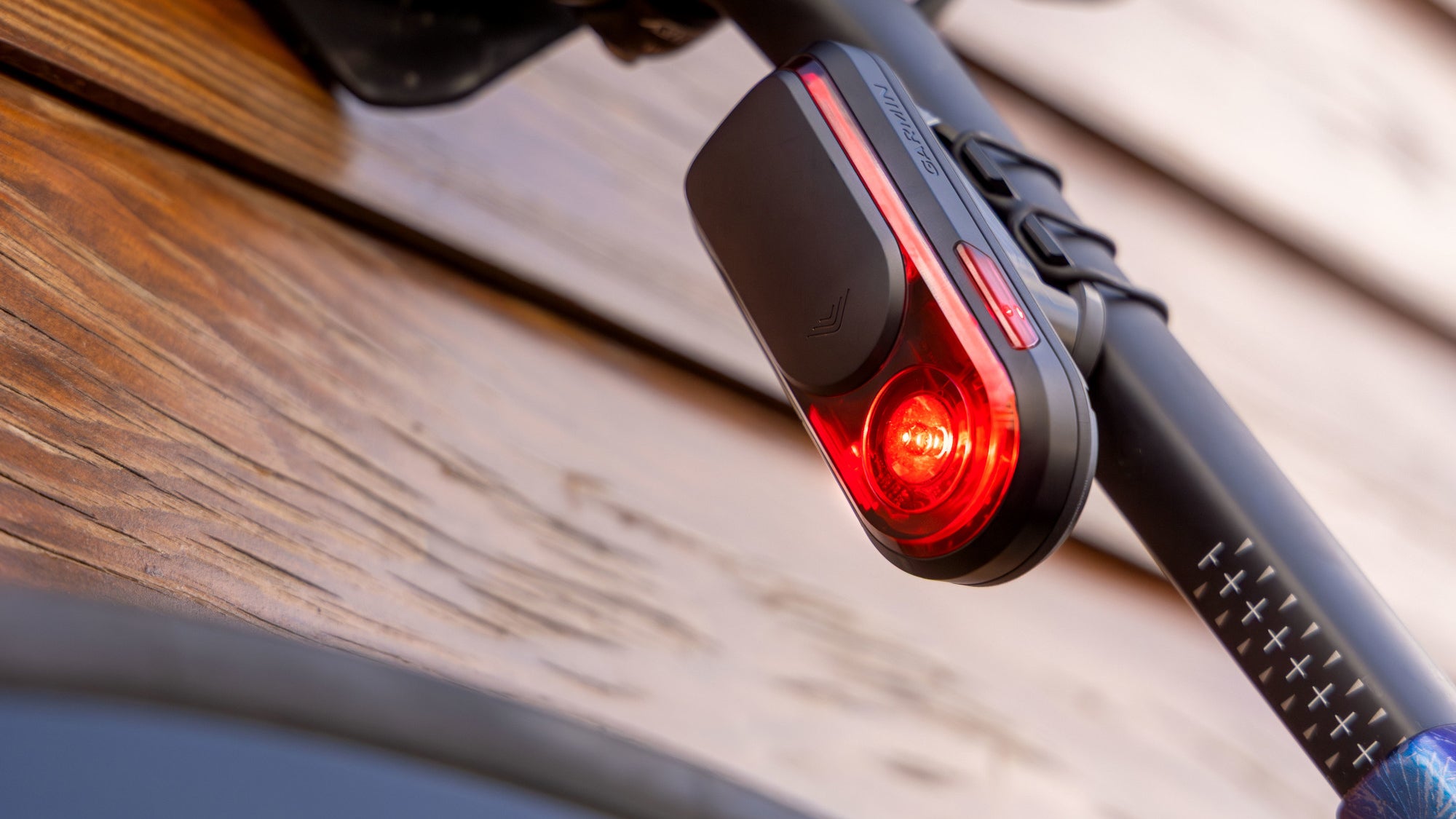
(Photo: Garmin)
Today Garmin has launched the Garmin Varia RearVue 820. This is a long awaited update to the Garmin Varia RTL515 that landed with consumers way back in 2020.
Over the years since that launch, a huge range of companies have joined the party. Radar units have come to market from big names such as Trek, Wahoo, and Lezyne as well as overeseas companies such as Magene and MagicShine.
In every single case I’ve tested the very best competitors have only managed to match the Garmin detection and have fallen short in other ways. Even those that get the detection right generally have a smaller angle of detection compared to Garmin and the other details are almost always lacking. Sometimes it’s a small thing like mount on the Lezyne that’s not as good. Often it’s the battery life that while generally fine tends to top out at 10-hours.
ADVERTISEMENT
Despite those advantages though, Garmin hasn’t been immune to the pressure of other products. I currently have the Lezyne Radar Drive sitting as my best rear radar bike light in the best bike lights buyers guide. That has happened because as good as the Garmin Varia RTL515 is, it’s also fallen behind the times without a modern USB-C charging port. The fact that the Lezyne is cheaper certainly doesn’t hurt to propel it forward.
As the years dragged on from the 2020 launch of the Garmin, the market increasingly had to move past the RTL515. We’d reached a point where it was worth making compromises to have a modern product. Companies matched the detection ability then improved in other ways even if not everything was a match. Garmin is changing that with the release of the Varia RearVue 820.
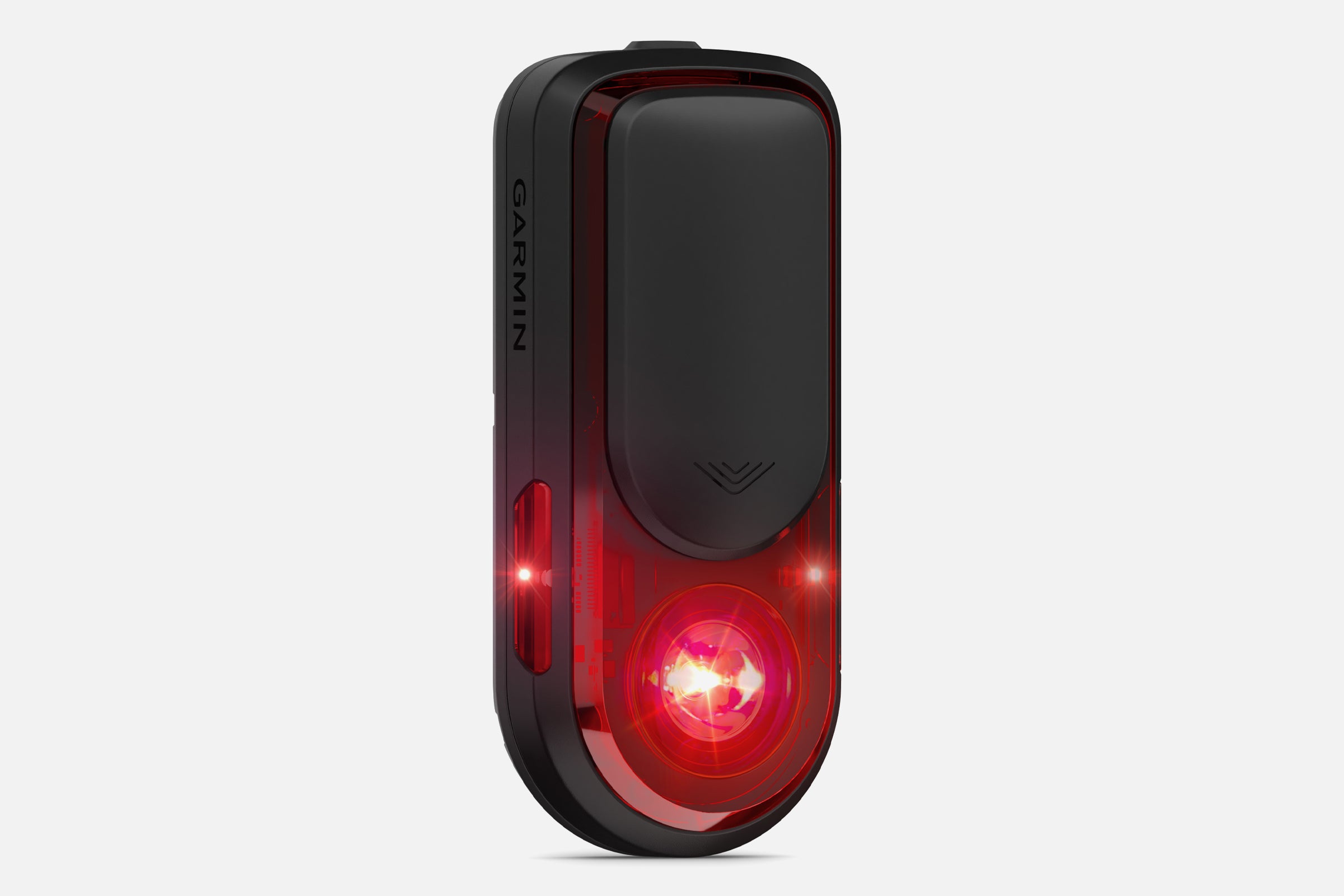
Garmin Varia RearVue 820 modernizes the battery and charging
The number one thing that the 515 needed was a modern charging port. Micro-USB in 2024 was outdated. By 2026 it was completely ridiculous and that radar unit likely represented the only device you still had that used it. I used to have to bring a special cable on trips just for that light.
ADVERTISEMENT
The Varia Vue 820 finally moves to a USB-C port. In a way this is a simple change but it would have made the 515 radar competitive if that was the only change Garmin made to it. That’s not the only change though.
Along with the charging port, Garmin has also modernized the battery in the RearVue 820. The top line number for the 515 was 16-hours of day flash. It was a number I’d tested many times and only the Lezyne topped it. The new light boasts a claimed 24 hours of day flash and if you want to extend that for something truly ridiculous, you can turn off the light for a max of 30 hours in radar only mode.
| Mode | Solid | Peloton | Night flash | Day flash | Radar-only |
| Battery Life | 10 hr | 15 hr | 10 hr | 24 hr | 30 hr |
No loss of visibility
According to Garmin, that upgrade to the battery life doesn’t mean a hit to visibility. The important specs for the older light were 20 lumens in solid mode and 65 lumens in day flash mode. The Varia RearVue 820 gets an upgrade to 25 in solid mode and 100 in day flash mode.
ADVERTISEMENT
The other aspect of visibility that Garmin boasted in the older light was a disruptive flash pattern. Giving credit where credit is due, this was copied from Trek who first introduced the concept in the Bontrager Flare RT along with a white paper that showed how drivers were more apt to notice a flash pattern that was as repetitive as a blink.
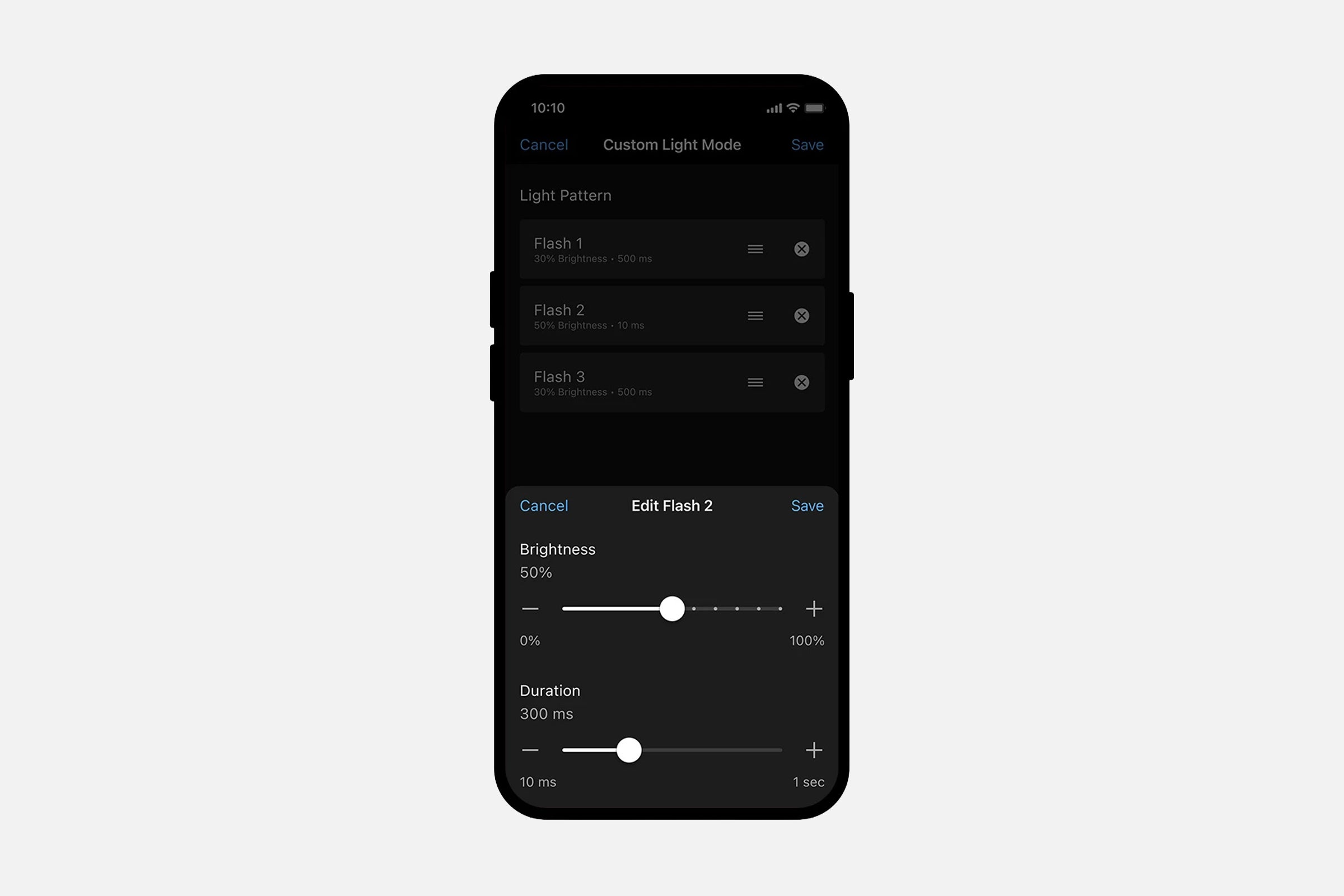
This time Garmin isn’t mentioning a standard disruptive flash pattern for the Varia RearVue 820. I’ll have to wait until I get hands on to tell you if it’s there out of the box but there is a previously unseen feature that allows you to create your own flash pattern through an app. It would be safe to assume your choices will affect battery life so we’ll have to see if this is a positive feature but if you’ve always thought you could do it better, now you can.
The 515 had a brake light and that functionality is being retained. Slowing or stopping “displays a unique flash pattern.” Garmin claims the new light is visible “from up to 2 km (1.24 miles) away.”
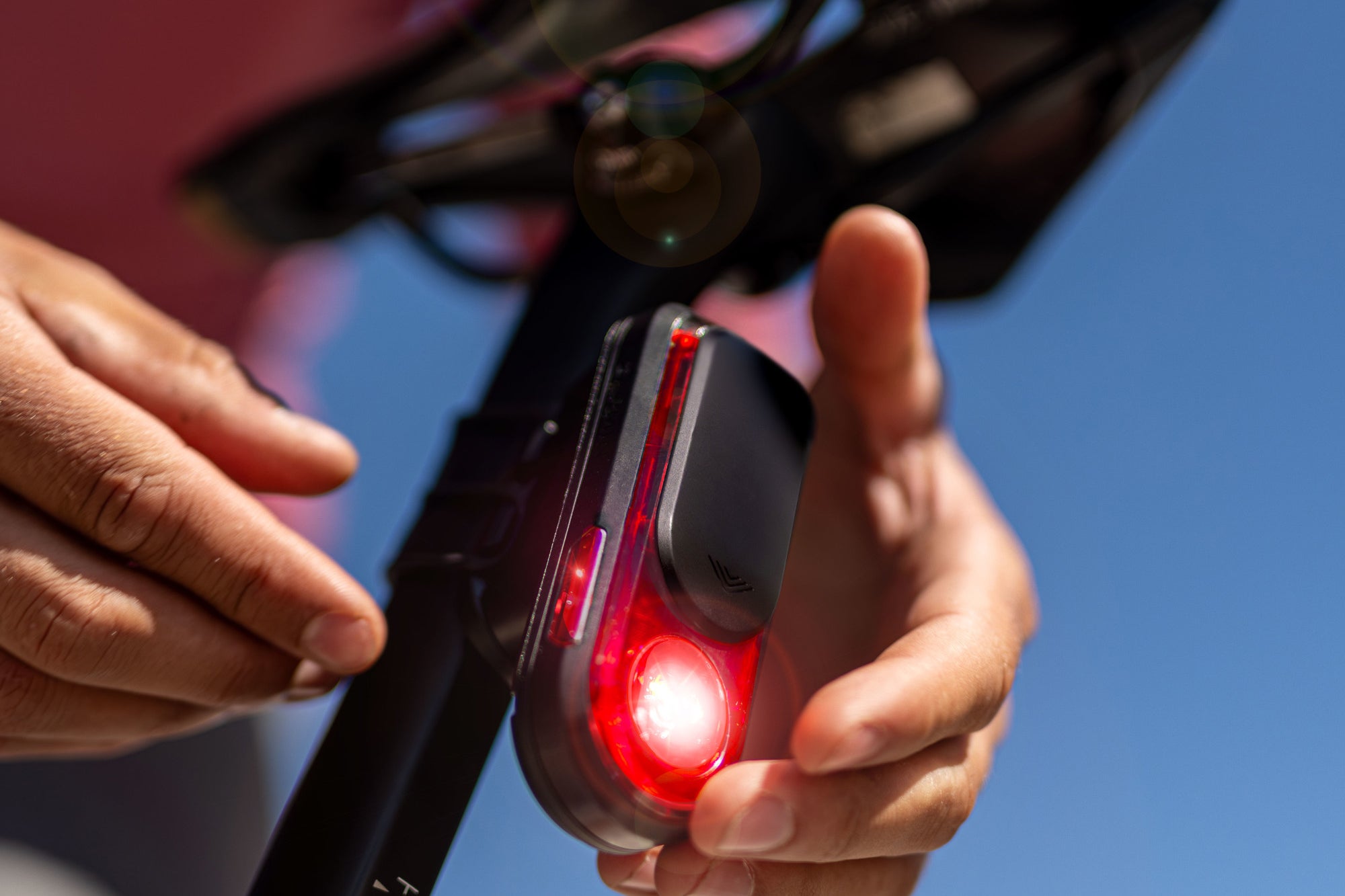
Old mount gets an upgrade with Varia RearVue 820
The Garmin quarter turn mount on the RTL515 was both a blessing and a curse. The design had a small puck with rubber inserts for different seat post shapes and a rubber band that attached to it. That rubber band was a huge hassle to get on. Stretching it to catch the hook on the other side was an exercise in frustration. Once it was there though, you didn’t have to touch it again. The light would simply turn and come off for charging.
ADVERTISEMENT
Garmin showed a better mount with the release of the RCT715 camera rear radar but it missed the more important feature of the standard quarter turn. The main advantage to the standard Garmin mount was that it was so common. Whatever mount you want for your bike, someone is making it with that mount. Sleek 3D printed options specific to certain frames or saddle rail mounts, your choice.
The new mount appears to be an amalgamation of the RCT715 mount and the older Garmin quarter turn. The light itself retains the same mount as before so you can continue to use whatever third party mount you prefer. If you instead use the included mount from Garmin it’s now grown taller with more flat area for support. On the seat post side it continues to use a rubber insert but instead of a single circular rubber band it uses the ladder style rubber band that Lezyne and the CT715 both use. It will still be a hassle to get on but that style is much easier.
One huge upgrade to all of this is that there’s now a spot for a leash. This is something users have long asked for and most other competitors have also missed the opportunity to add. I’ve never actually lost a unit but some have and peace always seems like an upgrade. You’ll find a spot for a leash at the top of the Varia RearVue 820.
Detection and notifications also get an upgrade
If you’ve jumped right to this section I won’t bury the lede and will instead start by saying that the biggest complaint about all radars is fixed. According to Garmin vehicles will no longer disappear from detection when travelling the same speed as you.
ADVERTISEMENT
This problem is a fundamental reality of how radar works and isn’t unique to Garmin. How Garmin managed to solve this is not mentioned but it’s likely a type of higher-frequency pulse that actually just detects smaller variations of speed. My hope is that it ends up being useful for keeping friends in your draft. At this point Garmin is only claiming that “with same speed tracking, riders are notified about vehicles that are following behind them at the same speed or waiting to pass.”
There are also other upgrades to the tracking and the first is something that might actually expand the whole ecosystem. This isn’t called out but when the Trek CarBack launched one of its signature features was increased, 240m, detection distance. The only problem was that bike computers weren’t designed to handle that change so it didn’t actually filter to the rider. Now Garmin is boasting 175 meter detection. Presumably that means a change to Garmin computers to handle that so Trek may see a boost here also.
Garmin is also expanding the field of view to 220-degrees. On the topic of the CarBack, that does not match the Trek 270-degree field of view but both are wider than competitors. The advantage is that on twisty roads your radar can detect a car earlier if it has a wider field of view.
ADVERTISEMENT
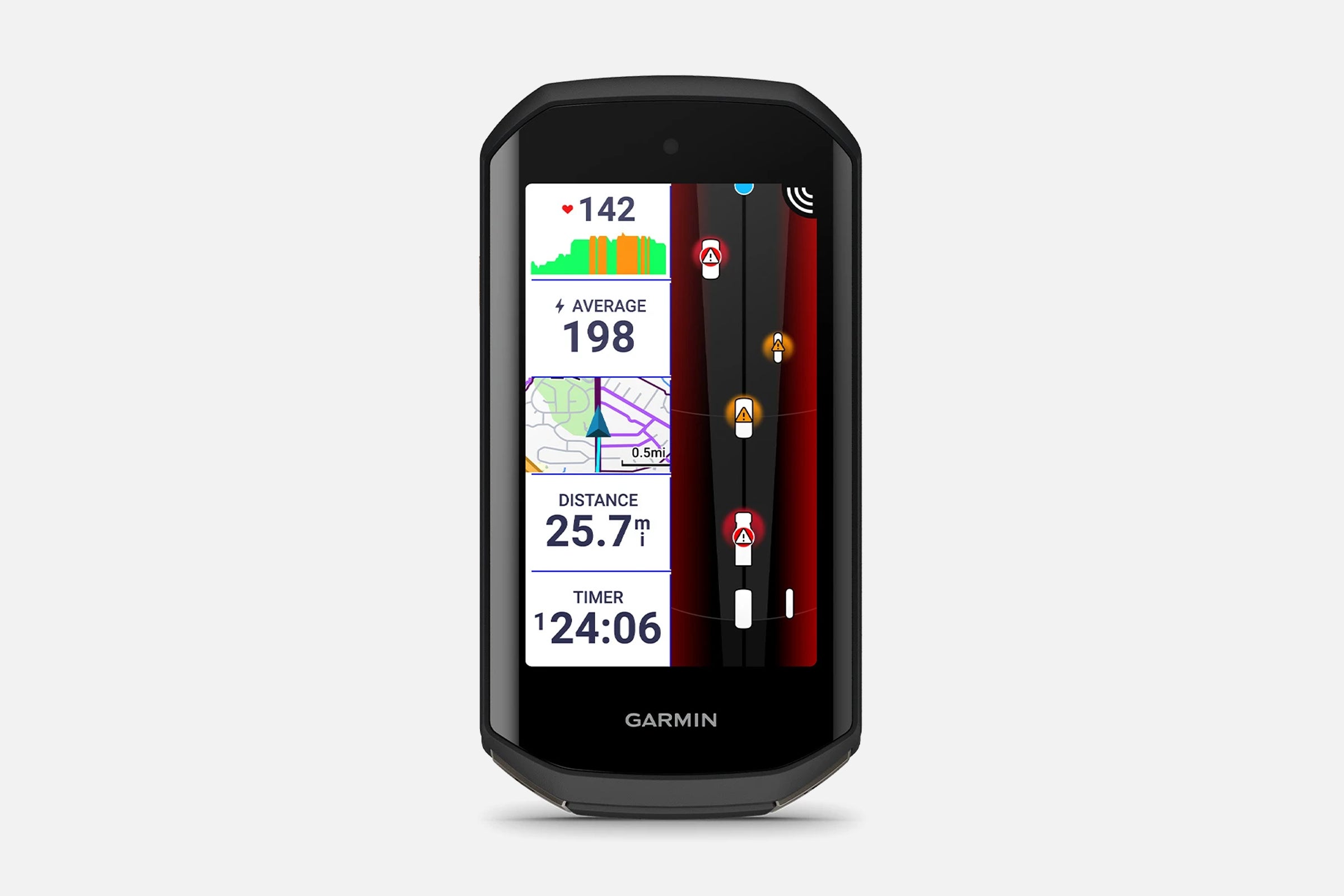
The challenge with a wider field of view is that it also detects cars that aren’t directly behind you when you ride next to a road. Garmin seems to be taking a shot at solving this by detecting multiple lanes of traffic and displaying that on the Varia app or compatible bike computer. This adds to the previous threat level detection based on speed by including where the vehicle is as well as how big the vehicle is.
Unfortunately that added detection appears to take up valuable screen real estate. Garmin is adding a new side by side display on compatible bike computers but you can now also add the detection to your watch. In that case, Garmin is showing a traditional visual display but also touting haptic (vibration) based feedback for vehicles. Audio alerts will continue to be an option both on a watch and a bike computer.
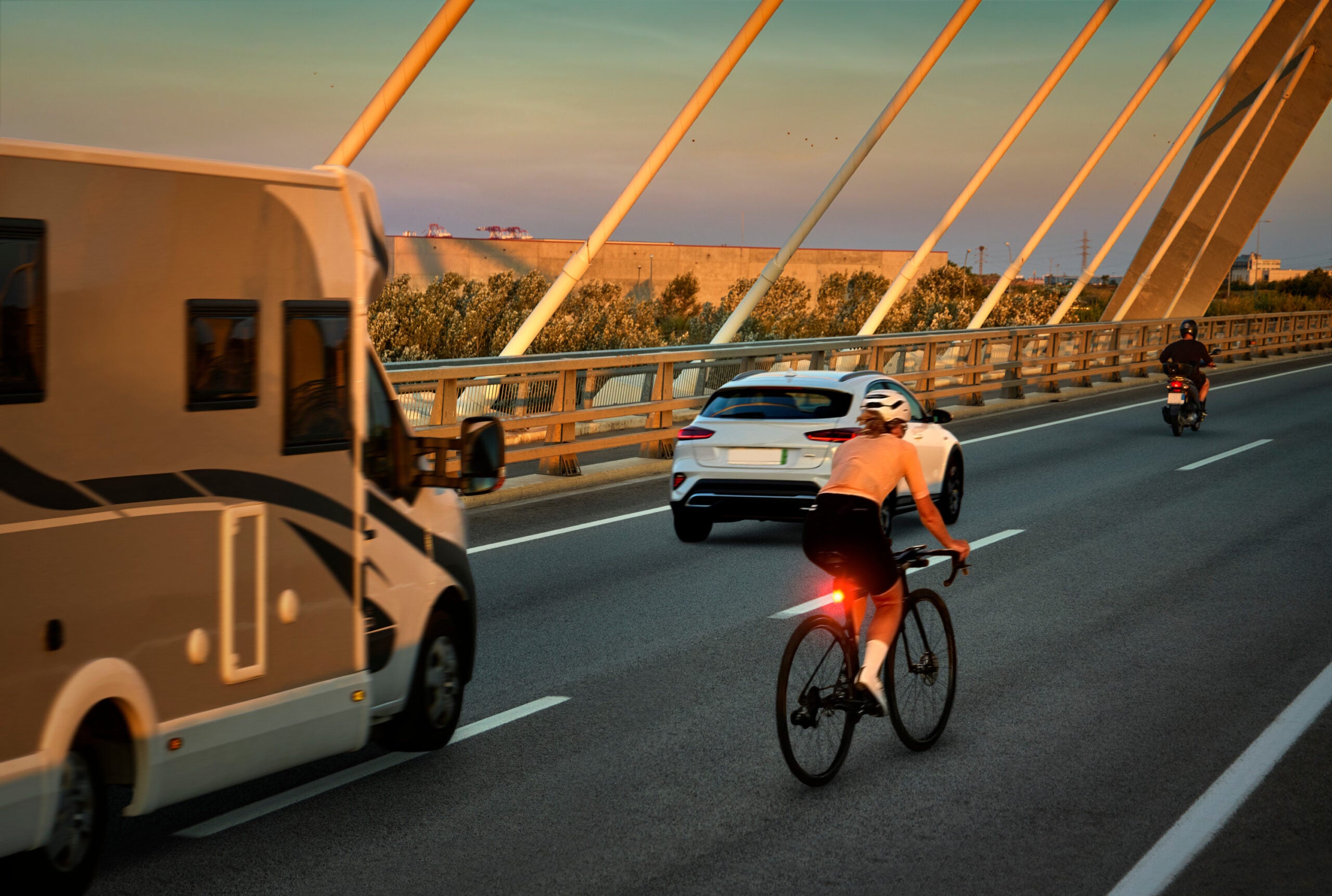
Keep in mind that all this notification will continue to be less useful in areas of high traffic despite being a credible mirror should you choose to use it that way.
Pricing and availability
There’s a lot of good news here and there will definitely be a follow up review once I’ve had a chance to test this. The Varia RearVue 820 will certainly be in the running for the Best Cycling Radar 2026 but this is no budget option. The Garmin Varia RearVue 820 is now the most expensive non-camera radar at $299.99 and will be available for purchase February 6th.
For purchase and more information visit the Garmin website.