Published June 14, 2023 09:00AM
Zwift Play controllers bring the toolbar to your hands (and handlebars!)
The latest Zwift Play controllers give riders dedicated clickable buttons for navigation, power-ups, and more to leave the keyboard behind
Zwift has officially been around since 2015 and has steadily grown as the go-to option for cyclists wanting to train or race in a virtual world made specifically with cycling in mind. And now, they hope to bring a new level of immersion to cycling with a pair of Zwift Play controllers.
A pair of controllers to ride your bike? What’s next? A bike that can do the pedaling for you?
Here’s everything you might want to know about what Zwift Play controllers are, how they work, and when you’ll want to use them.
Read more: Is a Strava membership still worth paying for?
ADVERTISEMENT
What does Zwift Play do?
- Allows you to leave your keyboard behind by controlling Zwift from your handlebars
- Navigate what’s on the screen more easily than a keyboard or the Companion app
- Change the FTP bias
- Skip workout blocks
- A dedicated Powerup button
- Navigate (and turn) using the directional buttons to allow for faster lines through corners
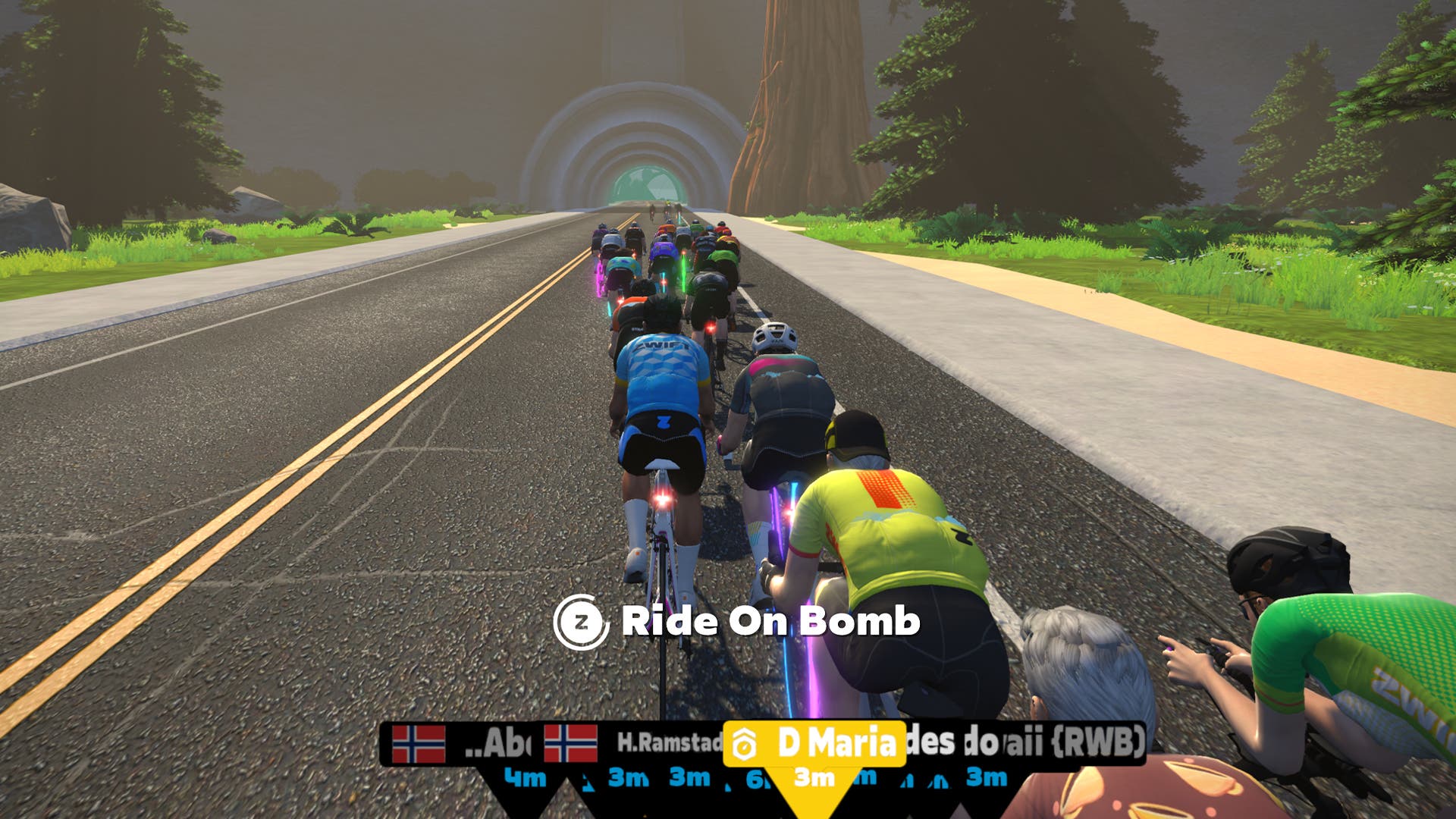
- As Zwift says, bomb other riders with ‘Ride On!’ thumbs up.
Zwift found that approximately 15 percent of Zwift riders (or as affectionately known, Zwifters) use the action bar, the small toolbar at the bottom of the screen that allows for navigation, communication, and other settings. Most folks got on and started riding and don’t touch the thing, even despite the revamp of their action bar announced earlier this year.
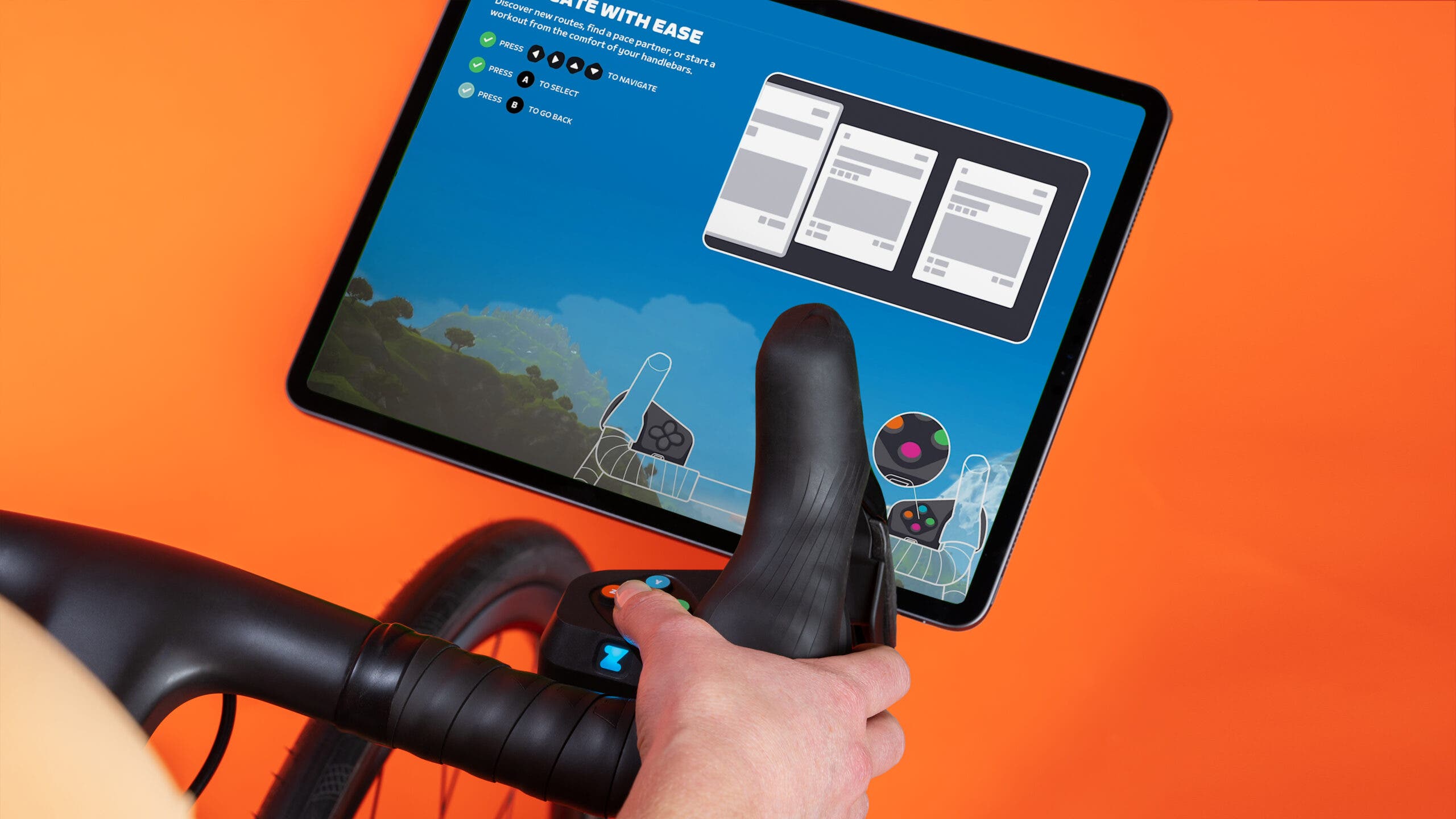
And so this new controller seeks to make that functionality easier to access. As they see it, Zwift Play is about less keyboard time and more time riding the bike.
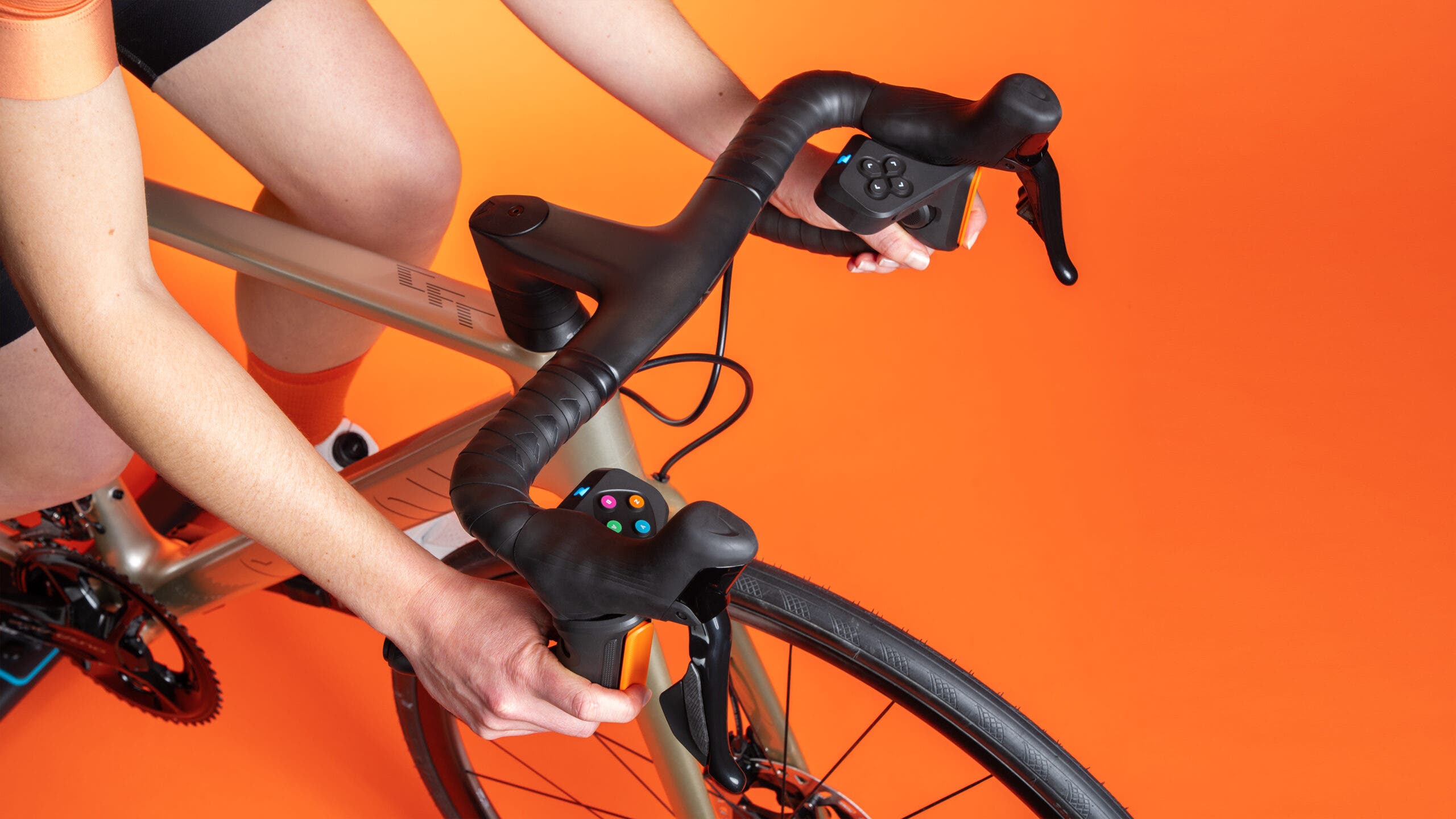
Zwift Play controllers mount to each side of the handlebars just below the bike’s brake levers through a silicone strap on each side. Zwift says they tried it on over 400 drop handlebars including indoor trainer setups, and across nearly 1300 riders.
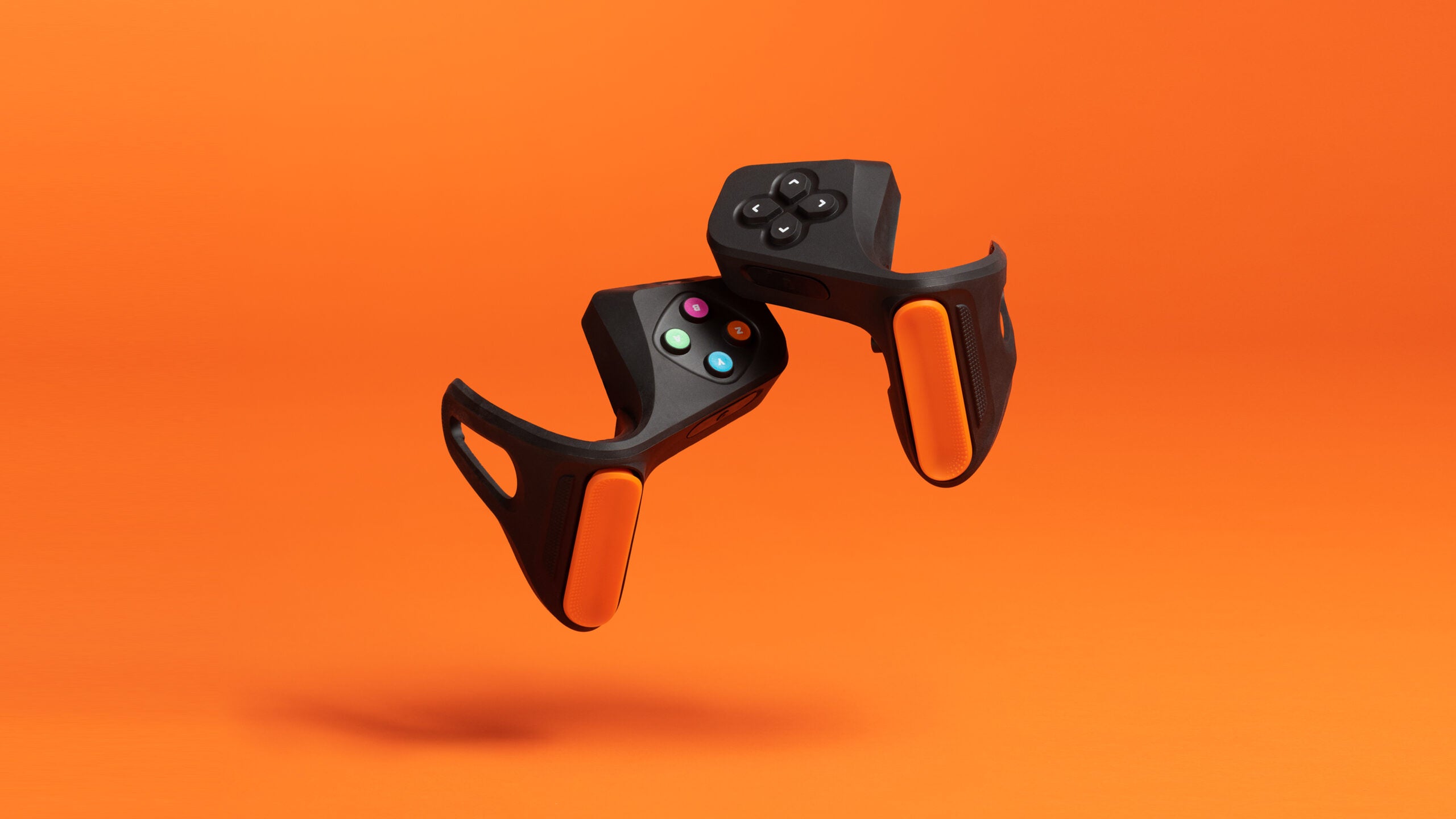
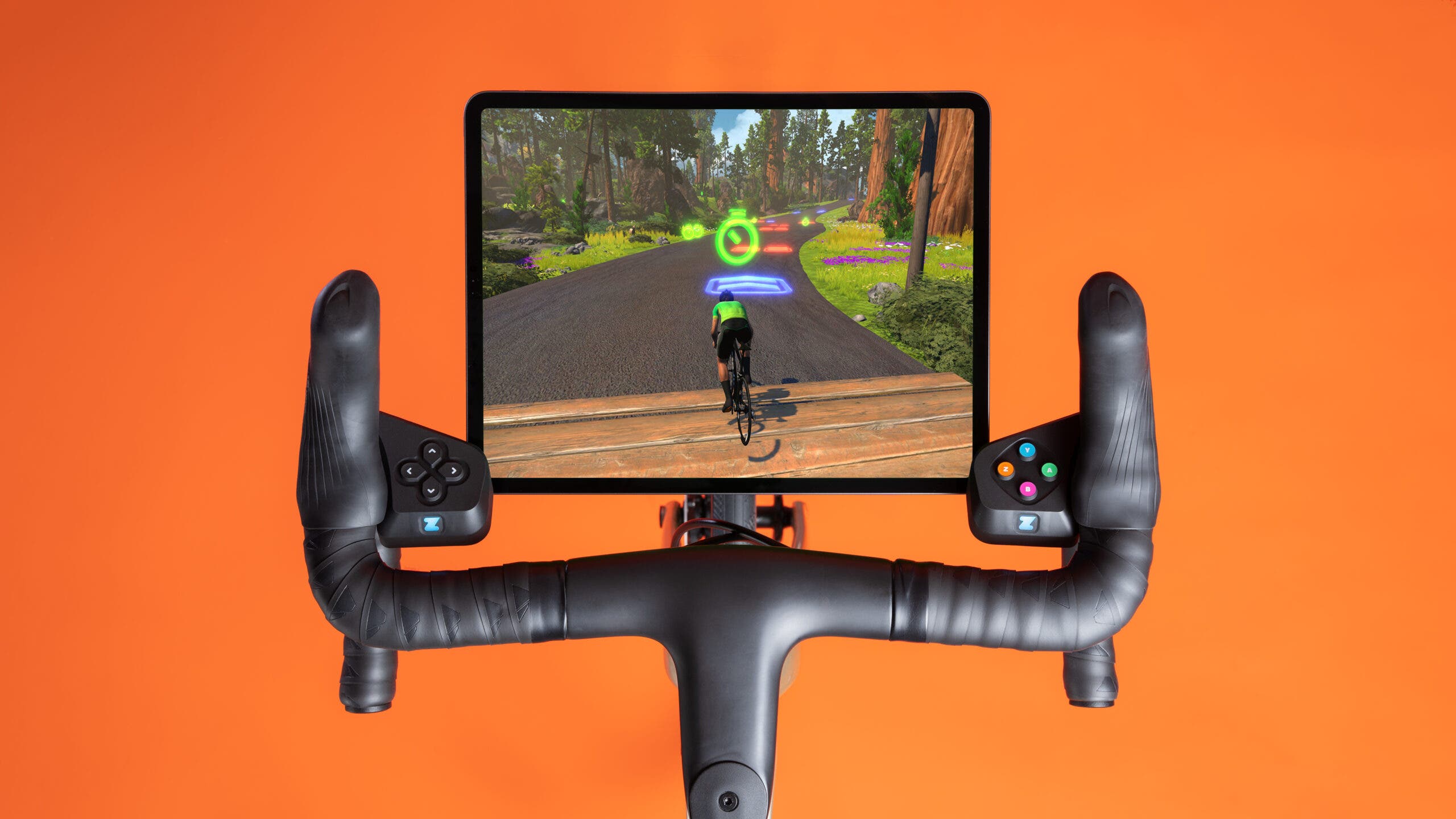
The left-sided controller has a four-way directional pad to navigate menus or select turns while riding. The right side controller has dedicated buttons to use a Powerup, give a ‘Ride On!’ thumbs up, select an action, or go back on the menu.
Both controllers also feature paddles that allow for steering and braking. Move the paddle toward you to brake (just like your bike’s brake lever), and push out to steer.
Interestingly, steering will allow riders to take shorter, faster lines through corners compared to standard riders. As such, we suspect these Play controllers will be almost a necessity for racing if only to capture the fastest lines through a course.
Each controller offers haptic feedback and battery life for about 20 hours of ride time. Controllers are useable while charging, but Apple TV users will need to pair the controllers to their smart device of choice first.
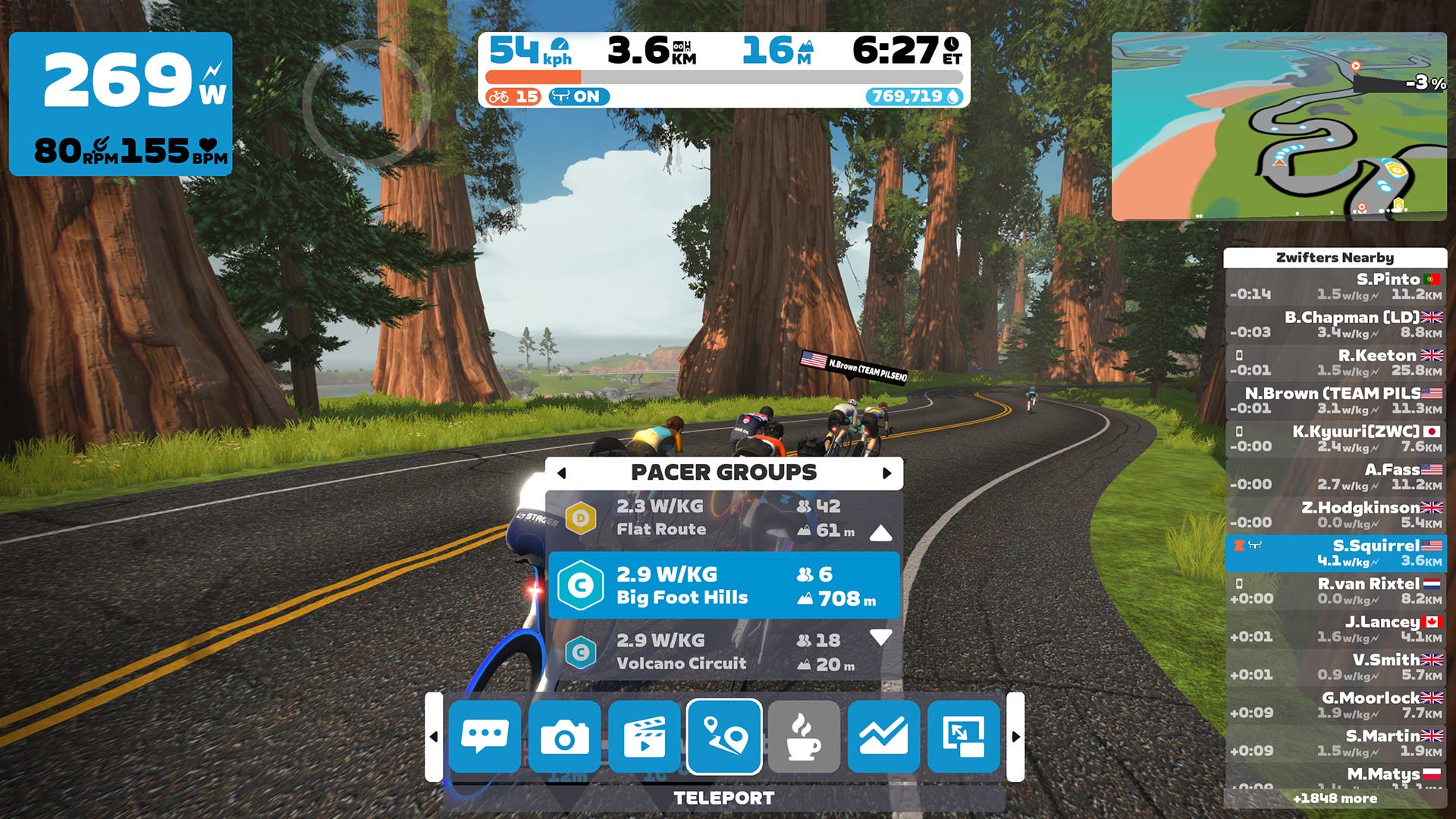
And as of now, these controllers are incompatible with flat handlebars. Or rather, they weren’t designed with them in mind.
ADVERTISEMENT
New Zwift gaming experiences with Zwift Play
One of the key reasons for a Zwift Play controller is for a new set of games within Zwift called the Zwift Play Game Experience. The first game to launch in beta is called Repack Rush, which plays not dissimilarly to Temple Run or Subway Surfers. The difference, of course, is on a bicycle riding through a virtual slalom to get the fastest time and most powerups you can.
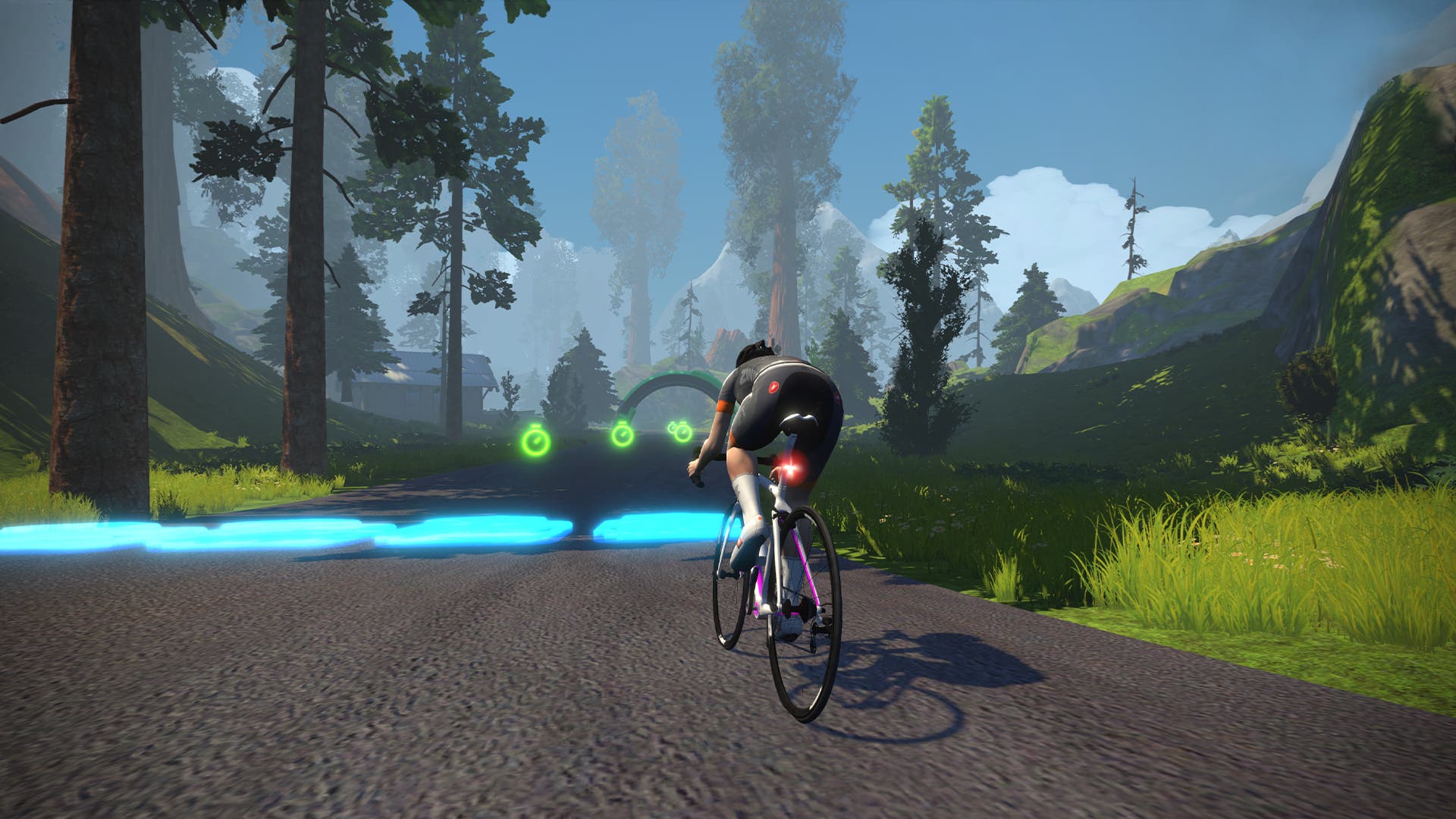
Essentially you’re pedaling along, and the more power you put down, the faster you go. As you ride through the segment, you’re using the Play controllers to avoid obstacles, collect time bonuses, and carve corners as tight as possible to get through and set a quick time.
Zwift says there’ll be other new game experiences in the coming months designed to take advantage of the new Zwift Play controllers. No stress if you’re already using another kind of steering control, however; Repack Rush will be compatible with other steering devices.
Read more: How running shoes, food apps, and psychology sessions take riders to the Tour de France
ADVERTISEMENT
When will I get to try Zwift Play?
Zwift play is said to be available starting June 14th at an introductory price of $99 / £99 / €99. After that, however, Zwift expects to raise the price to $149 / £149 / €149.
That feels like a big chunk of change for controllers, especially when other peripherals like a PlayStation 5 controller is $70 and a pair of Nintendo Switch joy-cons are $80. None of these are designed specifically with handlebars in mind, however. We’ll have to reserve further judgment until we can get a sample in to test, as this is probably the easiest way to add steering to something like a Wahoo KICKR Climb.
Until then, learn more at zwift.com.