Updated March 3, 2026 10:01AM
Why Visma's Deadliest Weapon for Taking down Pogačar Could Be a Breathing Sensor
Visma-Lease a Bike embraces a new training methodology guided by ventilation data that's designed to bridge the gap to UAE.
(Photo: Getty Images)
Breathing sensors were hyped as potentially “transformational” last year when Visma-Lease a Bike began tinkering with the breakout new training tool.
Twelve months later, it seems that Tymewear breath monitors are living up to the enormous expectations.
Visma-Lease a Bike’s head of performance Mathieu Heijboer told Velo that access to breathing data has revolutionized the way his team trains.
And more specifically, ventilation markers might have given the Dutch Bees a new laser-guided weapon for its super team war with UAE Emirates-XRG.
“Having breathing data has been a big development for us,” Heijboer told Velo. “It’s one of the first real measures of physiological load we’ve had since the introduction of heart rate monitors.
“And ventilation data tells us a lot more than heart rate alone,” Heijboer said. “It’s really helping us interpret training.”
ADVERTISEMENT
Breathing sensors provide riders with a measure of strain that can only be matched by metabolic testing in a performance lab. This “ventilation” data is free of the uncertainties of heart rate and a more telling gauge of effort than power.
Some believe these wearables could mark a new chapter in the history of endurance training.
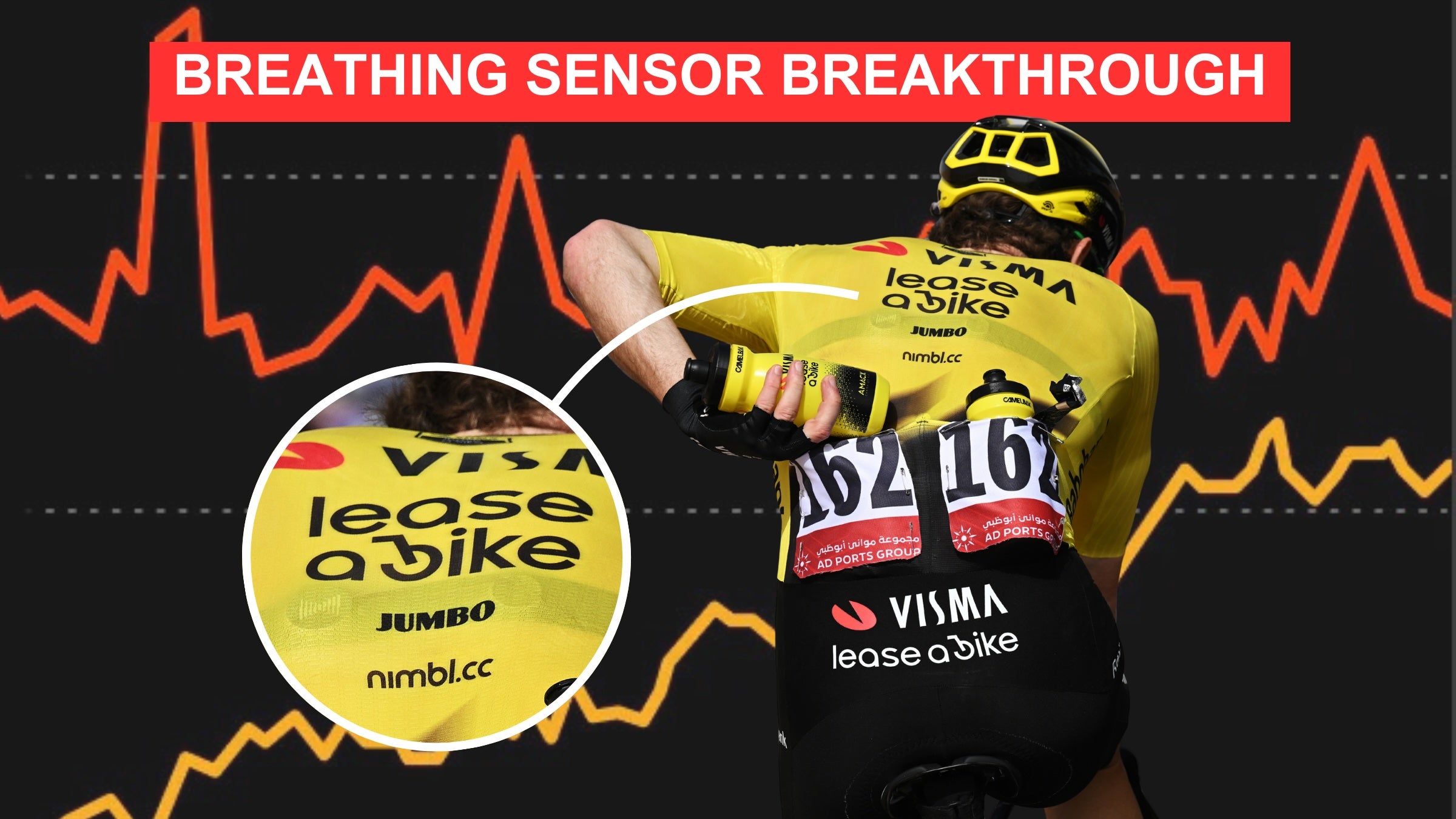
That’s why Jonas Vingegaard, Pauline Ferrand-Prévot, and Wout van Aert have been strapping the distinctive double-disc sensors to their backs ever since V-LAB partnered Tymewear this time last year.
Breathing sensors provide a new benchmark
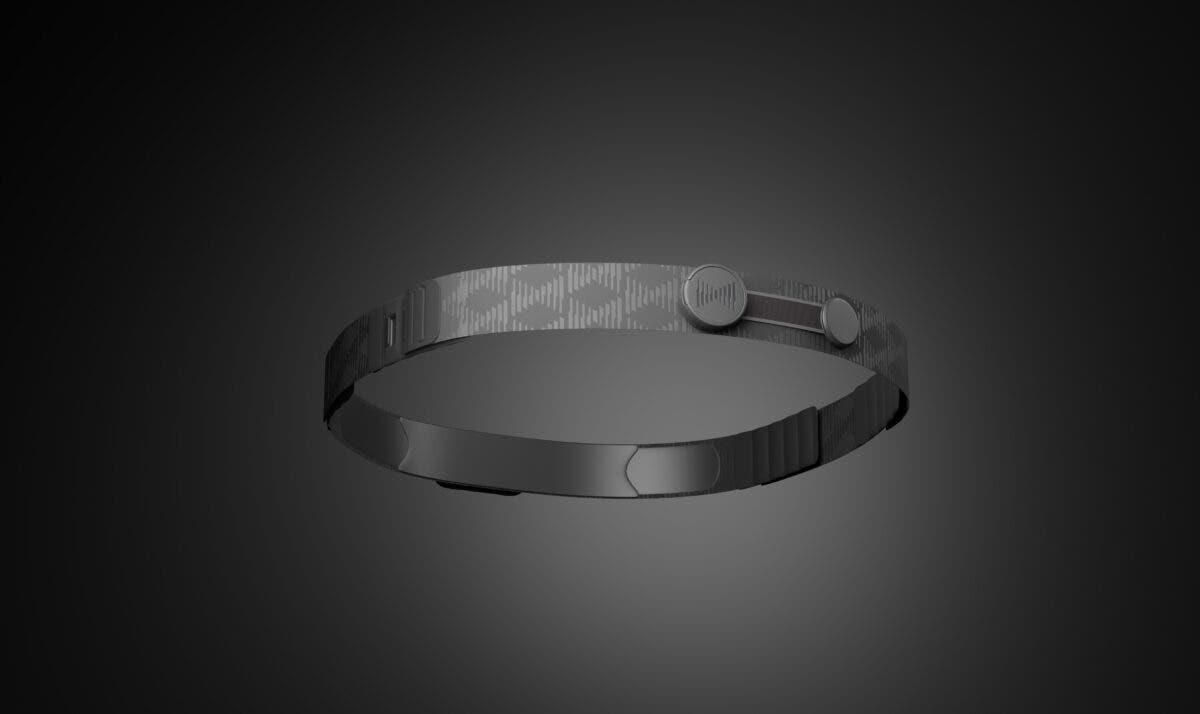
Tymewear sensors use strain gauges to measure the volume of air exchanged at the lungs. This allows athletes to pinpoint two of their most crucial physiological markers – VT1 and VT2.
These “ventilation thresholds” map directly to the lactate thresholds that define the efficiency of an athlete’s endurance engine. An athlete’s lactate thresholds underpin their every training zone, workout program, and pacing chart.
Lactate “tipping points” have – until now – only been measured by testing in the lab or at the side of the road with fiddly and disruptive pinprick tests.
Tymewear effectively eliminates this black hole by putting real-time metabolic tracking onto the open road.
ADVERTISEMENT
And better still for Visma-Lease a Bike, a green light from the UCI means they can be used across the racing calendar.
Visma’s performance guru Heijboer explained to Velo that his trainers are primarily using Tymewear data for post-session analysis. It helps staffers identify an athlete’s weak points and plan future sessions.
“We’re looking at the data whilst riders are doing efforts, like VT1, tempo, or threshold. It’s interesting how ventilation ‘behaves’ and what we learn from that about the load on the body,” Heijboer told Velo.
“We are also telling riders to watch their ventilation data whilst they’re training, so they can learn their body better,” he said.
It’s surely only a matter of time before a ventilation score fills a primary data field on every rider’s head unit.
ADVERTISEMENT
A new ventilation-guided weapon to whack Pogačar
Tymewear CEO Arnar Larusson told Velo that ventilation data has delivered on its “transformational” promise for Visma-Lease a Bike.
The powerhouse Dutch team has embraced a whole new training philosophy based on ventilation data.
ADVERTISEMENT
“Riders at Visma are all doing VT1 training now,” Larusson told Velo in a recent call. “This work at the end of the fat burning plateau is where Pogačar and UAE talk about Zone 2 training.
“It’s what Pogačar has been doing for several years – identifying the VT1 limit and then pushing it up with longer intervals.”
Until now, Visma was notorious for following a highly polarized training model. You could call it “VO2s or cruise.”
But now, there’s more focus on VT1.
UAE Emirates-XRG became a squad of highly durable, fatigue-resistant victory-munchers by centering its training around gruelling “all-day-difficult” workouts that hit the very same physiological zone.
“With Tymewear we now have a more accurate idea of the VT1 threshold, so we can track this better,” Heijboer confirmed.
According to Larusson, this was the chink in Visma’s armor that weakened its grip on the WorldTour hierarchy.
ADVERTISEMENT
“Until now, VT1 seems to have been a blind spot for Visma, or a place where they didn’t do a lot of training,” Larusson said. “The thinking is that some of the durability issues that they were having last season can be addressed by introducing more of this type of training.
“Tymewear is guiding that change for the team,” he said. “It helps riders understand where VT1 is and guides their training with that marker.”
A useful new tool or just another data point?
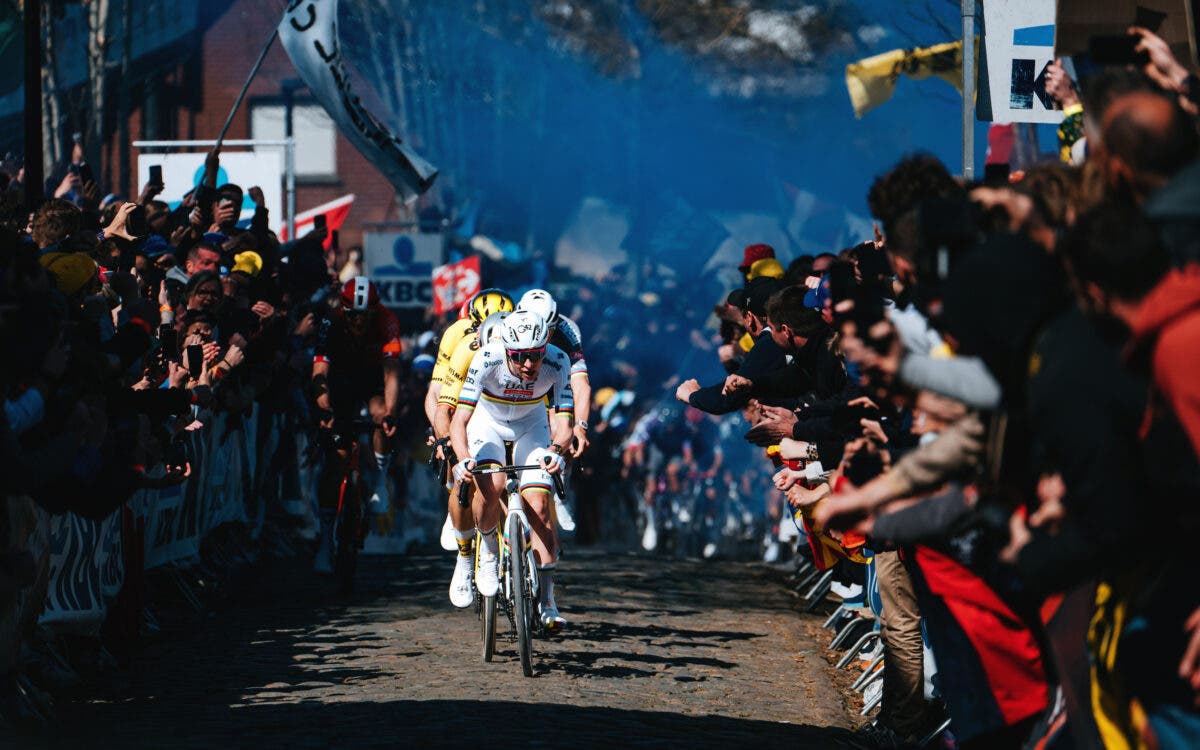
Visma’s ventilation-guided programing shift hasn’t gone unnoticed in the cliquey WorldTour community. Pogačar’s classics domestique Florian Vermeersch was discussing it only last week.
“I now hear from many Visma riders that there is a shift to Zone 2 training there,” Vermeersch told WielerRevue.
“Nowadays, racing is so fast from the very beginning that it is important to have as much ‘spare’ as possible at the end of the day so that you can pedal hard again,” UAE racer Vermeersch said.
“It’s less about the absolute peak wattages now. That’s why more teams are starting to move on to that type of fatigue resistance training,” he said.
But is a new data point and tweaked-out training program enough for Visma to dethrone UAE in 2026?
ADVERTISEMENT
Tymewear founder Larusson’s excitement must be taken with a dose of salt.
The true litmus tests will arrive when Visma-Lease a Bike hits the finish lines of Flanders, Roubaix, and the Tour de France.
Tymewear breathing sensors are not a simple solution
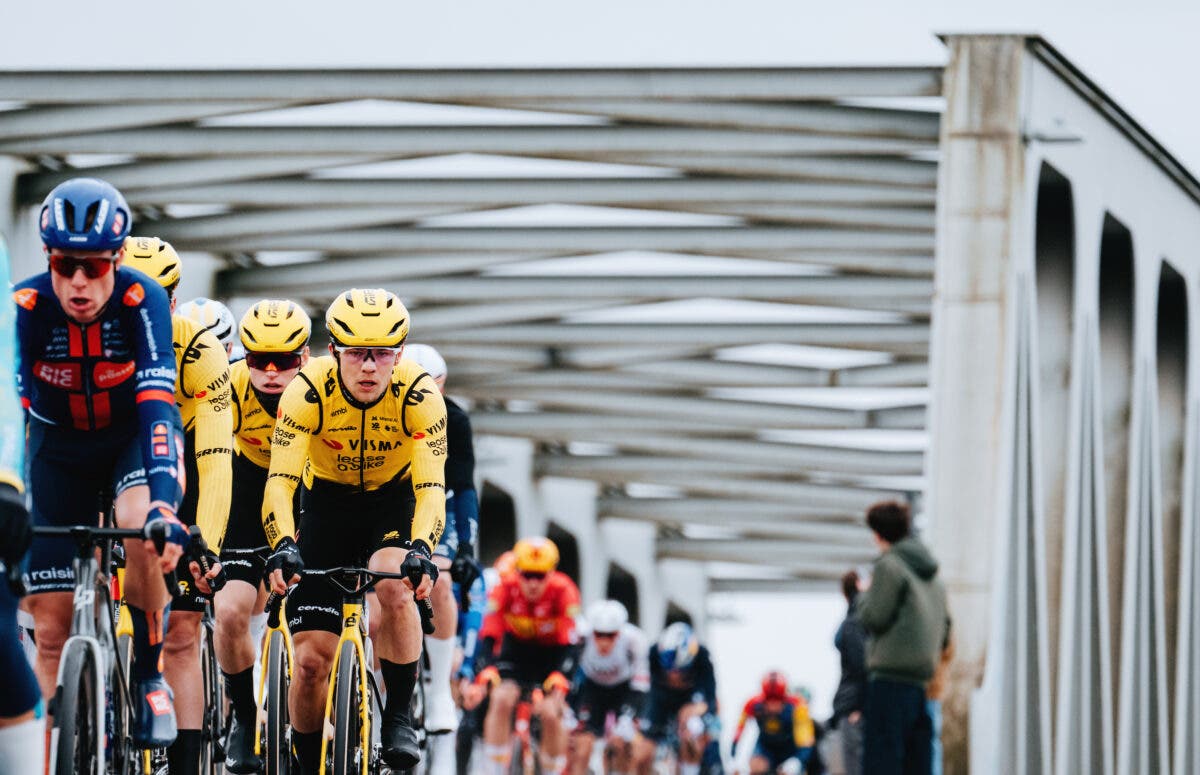
Visma’s early findings from using Tymewear are a fascinating insight into the potential of real-time ventilation data.
If it revealed a weakness in one of the world’s most scientifically advanced teams, its impact elsewhere could be huge.
But that’s not to say breathing sensors are some Silver Bullet.
Heijboer admitted even the expert physiologists at V-LAB had to grapple with the nuances and quirks of a whole new dataset.
“I wouldn’t say it’s been easy to adopt this data, but it is very insightful,” Heijboer told Velo.
“The most important thing for us in this case is that we always get feedback on how a rider felt during the race or training,” he said. “That’s helped us to better interpret the data.”
ADVERTISEMENT
That wasn’t the only problem.
Tymewear had to retrofit its breathing sensors onto the heart rate monitor straps supplied by Visma-Lease a Bike’s tech partner, Garmin. The squad’s existing affiliation rendered Tymewear’s 2-in-1 VitalPro heart rate and breath sensor product off-limits.
Breaking down ventilation data for the masses
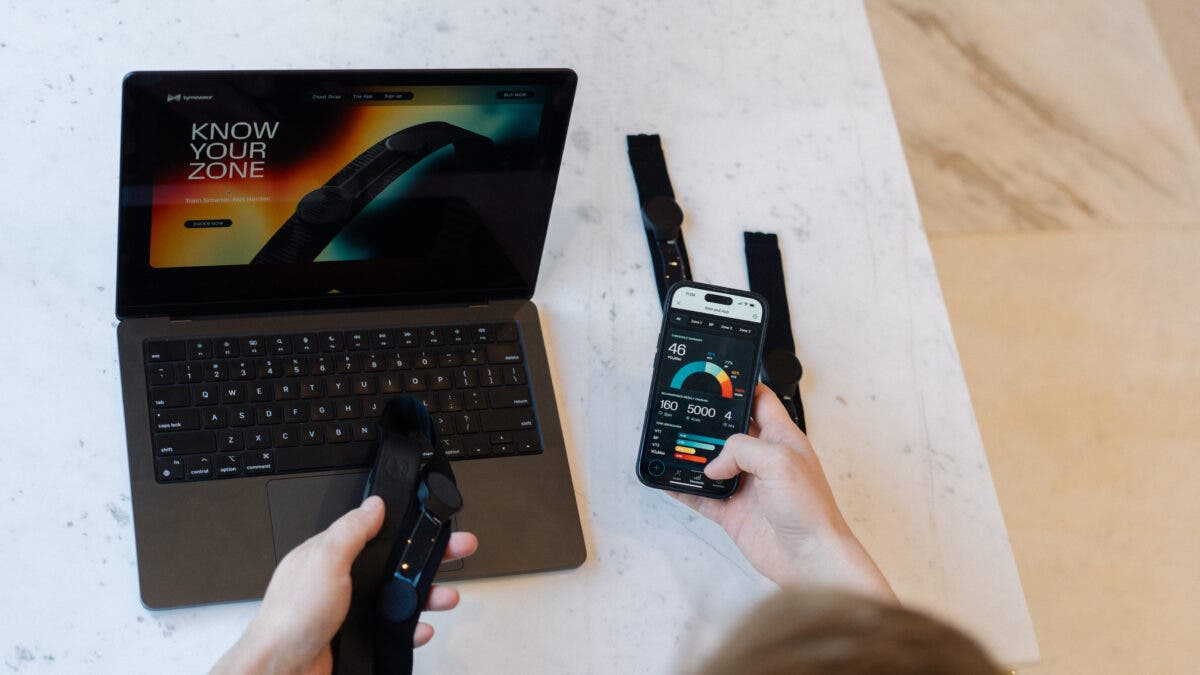
Tymewear fully launched last fall, and Larusson promised it’s not just for pro athletes with the world’s best trainers.
The U.S. brand is working to close the knowledge gap for us humble amateurs.
The Tymewear app is layered with algorithms that guide athletes through ventilation-based training without the need for an oversize text book.
A software update that auto-detects ventilation thresholds and eliminates the need for a baseline test is also due for release sometime this year. Think TrainerRoad’s rolling functional threshold power model, but for ventilation scores.
Larusson also said that battery and build issues discovered in early production batches have been resolved, and the proprietary breath sensor has been finessed with a bunch of firmware updates.
ADVERTISEMENT
There are also plans to expand Tymewear’s partner integration capacities beyond the Garmin ecosystem.
Hook-ups with Wahoo and Zwift, and the introduction of an ERG mode, are in the works.
We’ve got a VitalPro at Velo HQ for testing right now. Stay tuned for the full review.