Published March 24, 2022 02:45AM
Inside the old-school training that took Sepp Kuss to the top of the Tour de France
'Sepp has a very special training program that's quite different from others,' said his team director. We dive into what Kuss is doing and why.
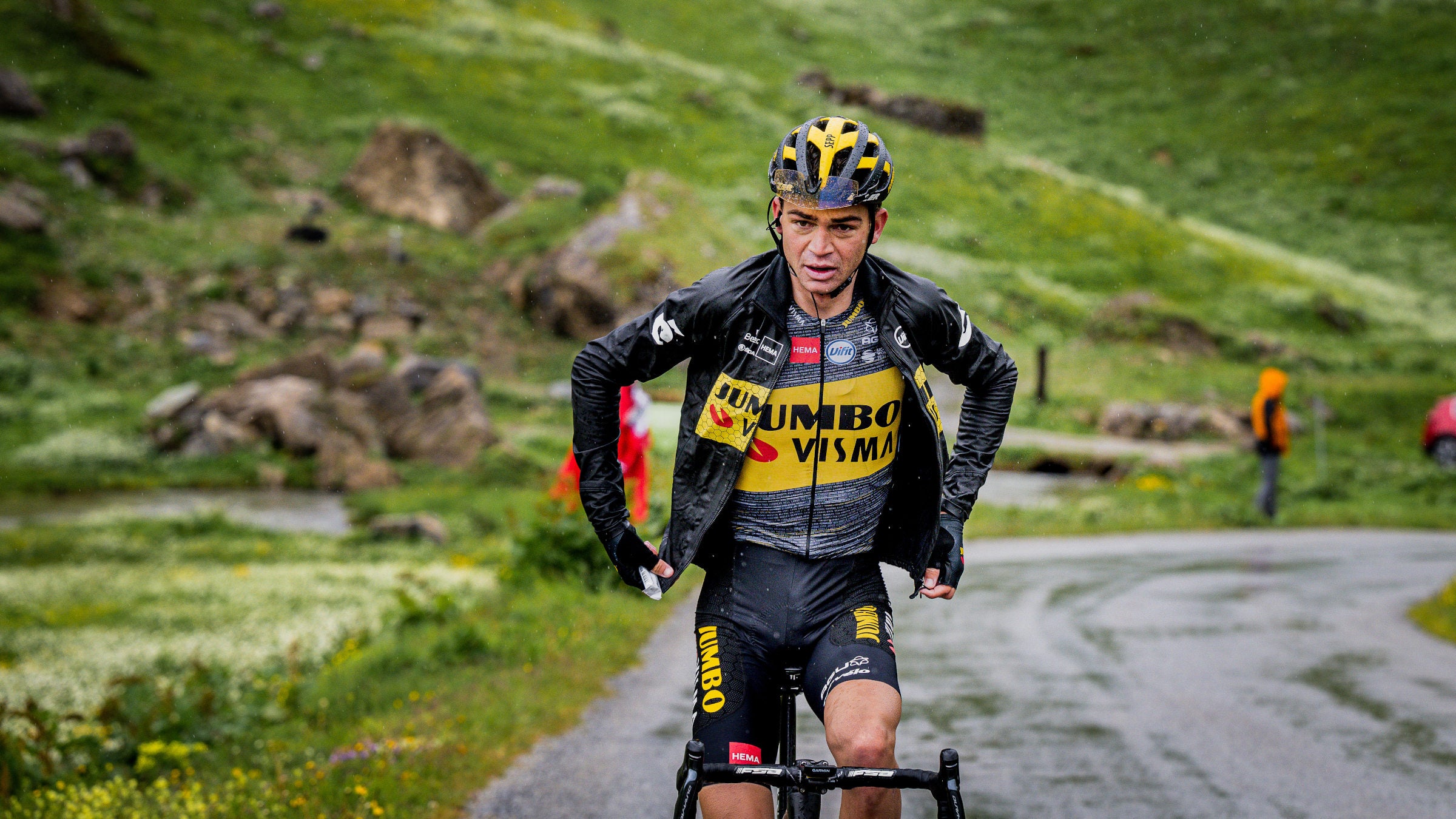
(Photo: James Startt)
Sometimes, the old ways are the best ways, right?
Sepp Kuss and his Jumbo-Visma trainers and directors would certainly agree.
Jumbo-Visma chief sport director revealed to VeloNews that Kuss pedals through an old-school training program that strays far from that of his teammates and defies most modern-day coaching manuals.
“Sepp has a very special training program that’s quite different from other riders,” Zeeman said in a call.
“The others do lots of intervals, Sepp very few. His physiology is very different. When he joined the team it was difficult to understand how his body worked. We eventually found that he responds best to lots of volume, much more than our other riders. And that seemed to really change him”
A dive into the data shows Sepp trains long, steady, and a lot in order to maximize his motor for the high mountains.
The lung-busting efforts so central to most training programs are kept to a minimum. Instead, the 27-year-old’s training is about back-to-basics and time in the saddle.
ADVERTISEMENT
“Over the years, you could see that professional riders train much more intensely than they did before. But now, Sepp is a bit more like the old-fashioned way,” Zeeman said. “More hours, low intensity.”
Also read:
- Kuss ‘will have his own opportunities’ in Jumbo-Visma’s 2022 masterplan
- Tour de France stage wins, Vuelta a España breakthroughs and beyond: Kuss talks 2021
Kuss joined Jumbo-Visma an unpolished diamond in 2018. Two years at Rally Cycling and his high-altitude MTB background showed he had the raw potential to be a leader in the peloton.
Adding shine to the sparkle that hid beneath the rough exterior took Jumbo-Visma some time, but it was worth every second.
So what exactly is the Colorado climber getting up to as he cranks around the climbs of his Andorran base?
It’s no surprise that Zeeman or Kuss’ coach Mathieu Heijboor wouldn’t share their secrets. But as always, Strava has some answers.
ADVERTISEMENT
A data-dive
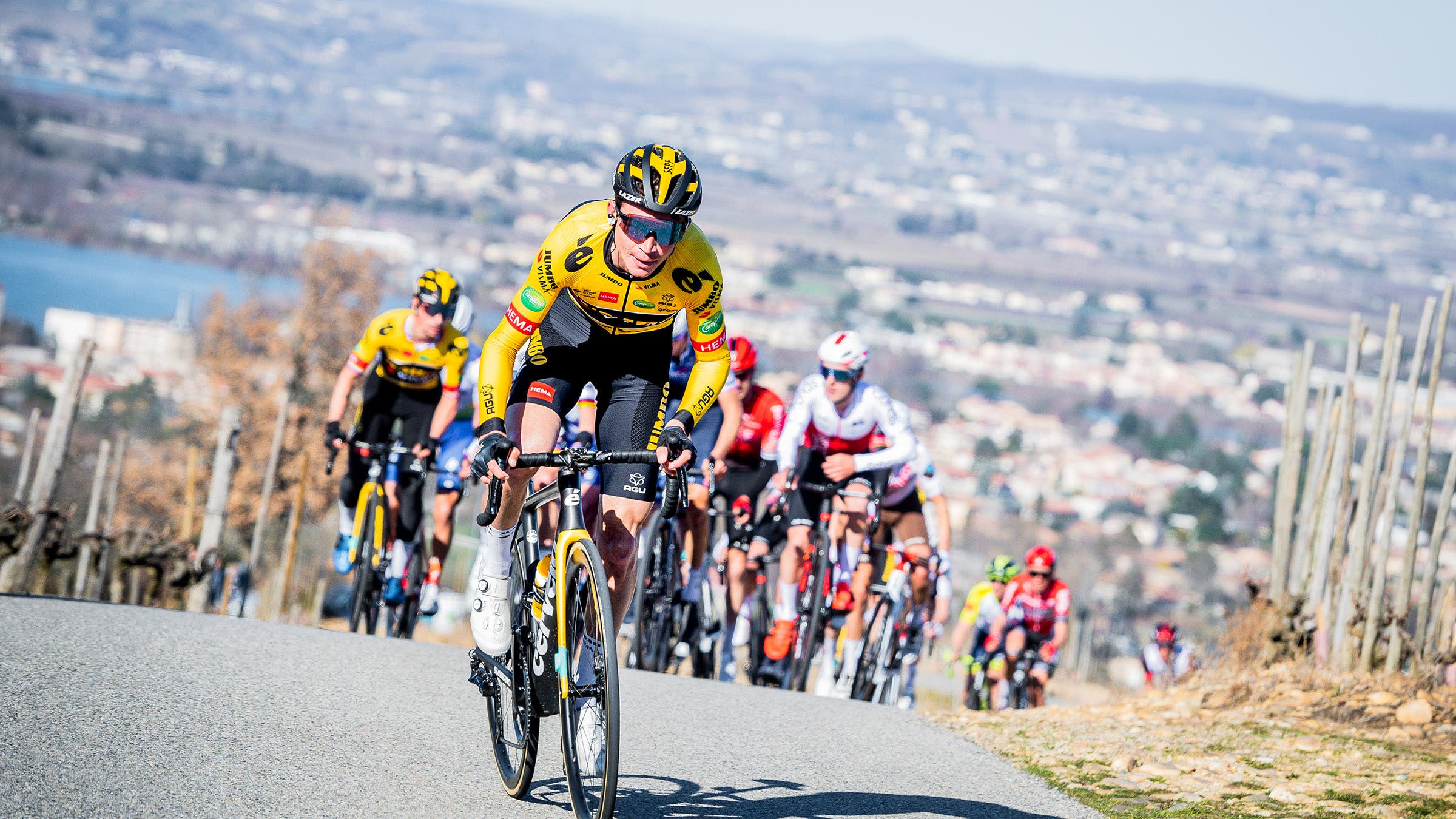
So what does some Strava-spying on Kuss reveal?
The volume is the standout. Compared to other Jumbo-Visma climbers – or most WorldTour pros – Kuss spends a lot of time in the saddle.
Through the recent late-winter lazy season, Kuss was riding up to 20 hours per week, much more than his colleagues.
ADVERTISEMENT
A Colombian training camp saw the volume ramp-up to more than 30 hours weekly through December, a massive load considering many of his teammates and rivals were trading training for turkey.
The trend continued through January and February of this year: Kuss did 10-20 percent more volume than Tour de France teammates Robert Gesink and Steven Kruijswijk. And while the two Dutchmen were busy blasting hill repeats and hitting a lot of HIIT, Kuss kept things tranquilo.
Power Analysis: How hard does Brandon McNulty train in winter?
Even when the race season was looming, the lung-searing intervals that made up so much of most riders’ plans were absent. Kuss would rev his motor to the maximum for just a tiny percentage of two to three rides a week before clicking back to base mode.
It’s a schedule so different to many modern-day training manuals, but it works for Kuss. Sepp started the season on a tear, scoring third in the French Ardèche one-dayer.
ADVERTISEMENT
Different strokes, different folks
Kuss’ against-the-grain training plan points to the evolution – or regression – of modern training principles.
Sport science is pushing on, and trainers are able to tweak schedules to individual needs rather than copy-pasting from one Training Peaks account to another.
ADVERTISEMENT
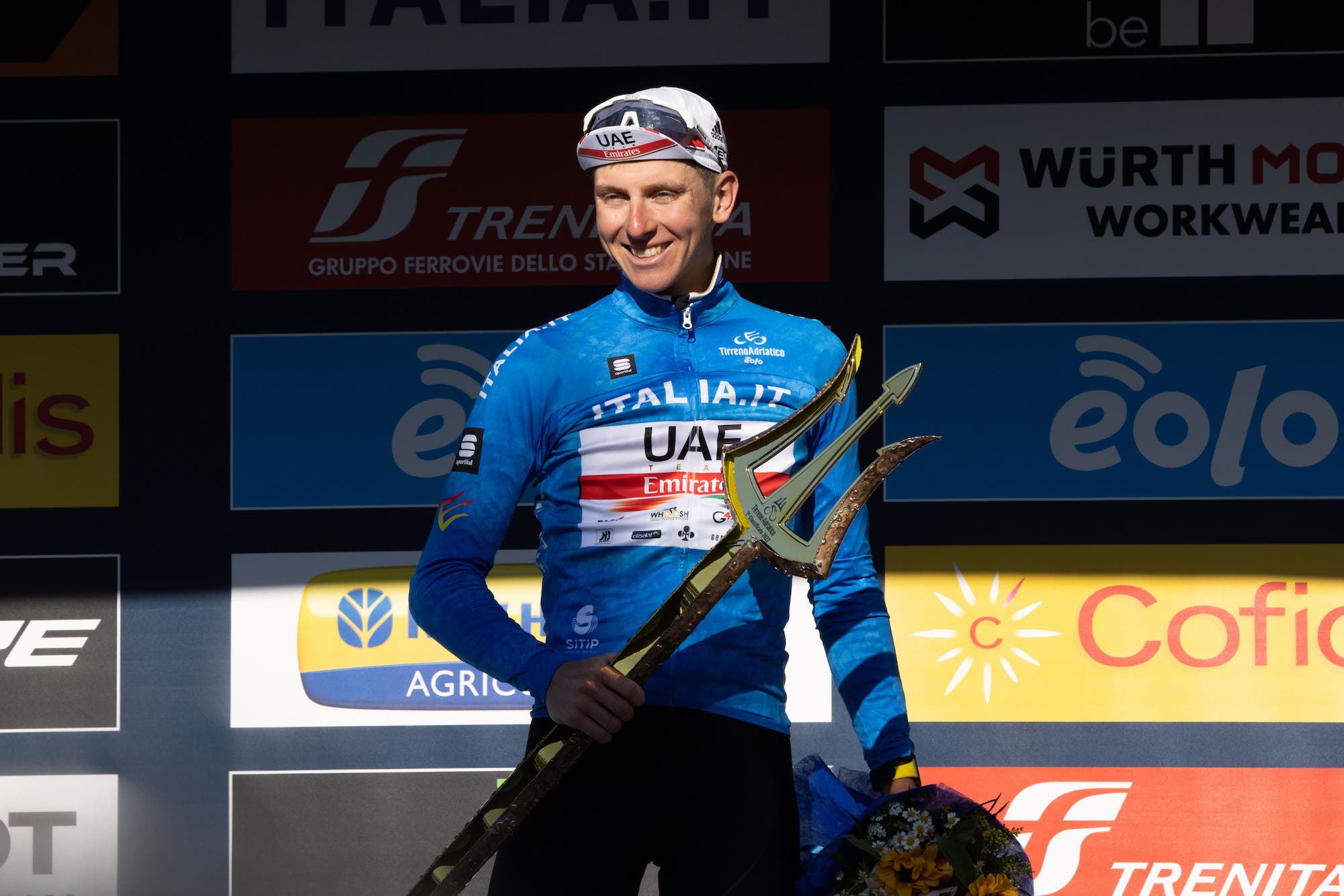
Riders like Alexander Kristoff and Edvald Boasson Hagen are notorious for their huge training loads, while double Tour de France champ Tadej Pogačar is known to dial it down.
“We are in a really interesting time now in endurance sports, and especially cycling, where we are seeing all sorts of different approaches to training among the top athletes,” USAC-certified coach and VeloNews contributor Zach Nehr told this reporter. “Some guys do 35-hour weeks at high altitude training camps, while others stay at home and ride zone 2 for five or six hours a day.”
Considering the context, Kuss’ “train slow, race fast” method makes sense.
ADVERTISEMENT
Power analysis: Kuss’ Tour de France stage win
Putting the pieces together, Kuss’ high mileage training makes the most of an altitude-adapted engine and optimizes it for the attrition of three-week races.
“Growing up at high altitude in Durango could have had an impact on Kuss and his low-intensity training approach. He could have a propensity towards long aerobic training because of his high altitude upbringing and his body’s quick ability (potentially) to adapt to aerobic training stimulus,” Nehr said.
“All the volume also makes sense for a grand tour rider, who has to have good legs for three weeks of 30-40 hours each.”
ADVERTISEMENT
Off-season cheeseburgers equal peak season focus
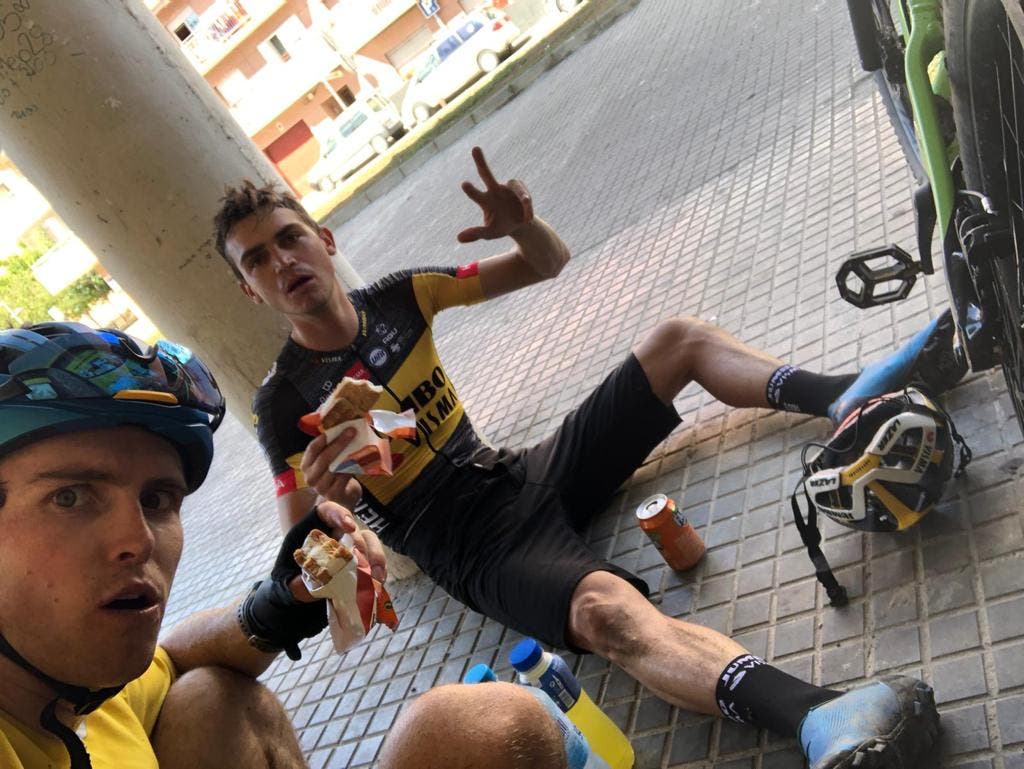
Jumbo-Visma director Zeeman also told VeloNews that the team worked hard to dial in Kuss’ diet and hone the other end of power-to-weight equation.
The team’s focus on nutrition saw Kuss strip kilos and gain speed.
ADVERTISEMENT
“I think the nutrition was really important,” Zeeman said. “I think you see it already on photos that his body has quite changed over the years. He’s so skinny now, but that was also necessary.”
The intriguing thing?
What must have been a high-focus approach body composition contrasts the off-season burgers and burritos that Kuss has no shame in hiding. As he told VeloNews this winter, nothing’s off the menu, as long as it’s in moderation.
Also read: Off-season with Sepp: Inside Kuss’ easy off-season approach
“Perhaps this relaxed training approach — as opposed to doing structured intervals five days a week — is the best and most sustainable type of training for Kuss.”
ADVERTISEMENT
If we can learn anything from Sepp’s training secrets, it’s that what works for some doesn’t work for others. And what makes a cyclist happy makes them go fast, too.
Zach Nehr contributed to this report. Check out his VeloNews Power Analyses series.